Charging Ahead: A Defining Moment for Electric Vehicles
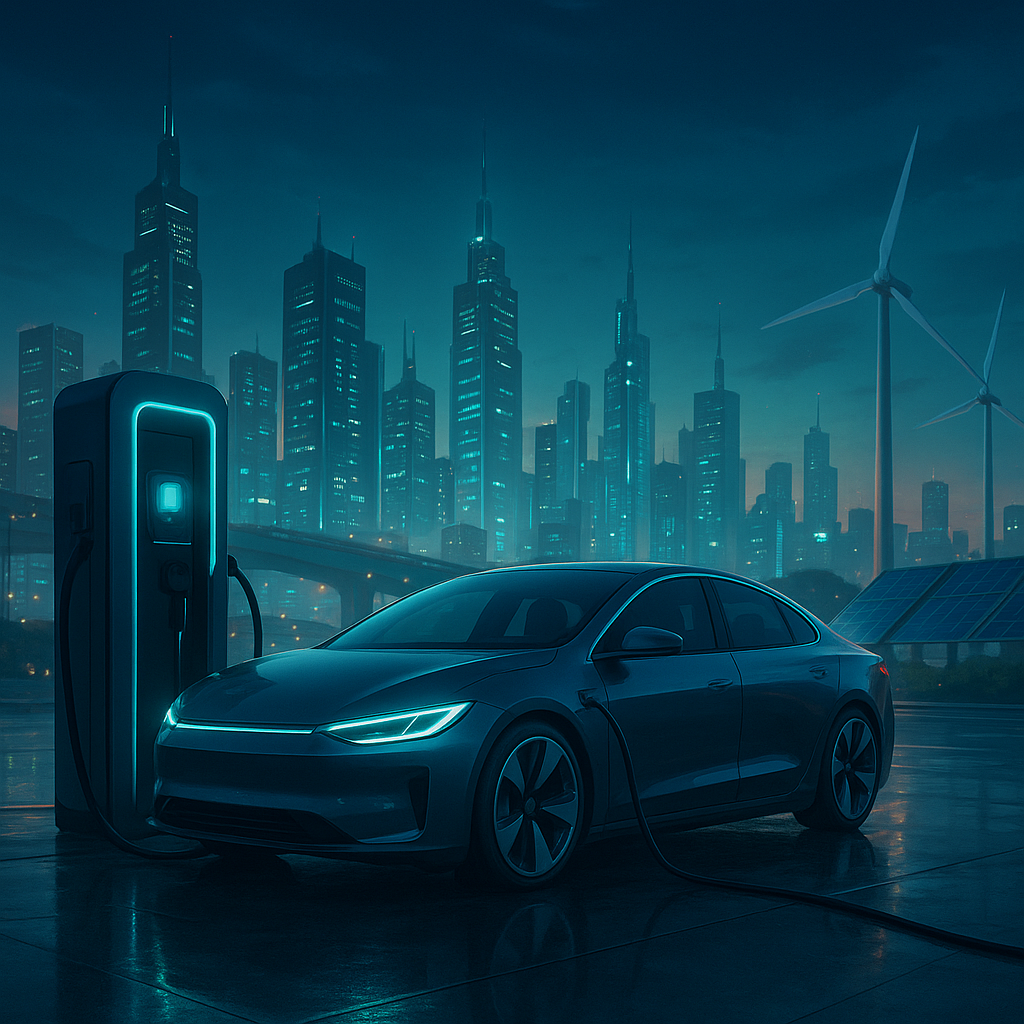
Imagine a city street in 2026, humming softly with the quiet whir of electric vehicles (EVs) gliding past, no exhaust fumes clouding the air, and charging stations peppered seamlessly along sidewalks and highways. This scene, once a distant aspiration, is now a defining reality in many urban centers worldwide. The global electric vehicle fleet surpassed 30 million units in 2025, according to the International Energy Agency, marking a nearly threefold growth since 2020. This rapid adoption reflects not only technological advances but also shifting consumer preferences and urgent environmental imperatives.
Electric vehicles have become the frontline in the global effort to reduce greenhouse gas emissions from the transport sector, which remains one of the largest contributors to climate change. The transition to EVs is no longer a niche market trend but a critical pillar in sustainability strategies for governments, automakers, and consumers. Yet, beyond the sleek designs and zero tailpipe emissions lies a complex ecosystem of battery innovation, supply chain challenges, energy infrastructure demands, and regulatory frameworks shaping this revolution.
“The electric vehicle surge is not just about cleaner cars; it is about reinventing the entire mobility landscape and energy systems,” explains Dr. Maria Chen, a leading expert in sustainable transportation.
This comprehensive guide unpacks the multifaceted world of electric vehicles in 2026, exploring how we arrived here, the state of technology and infrastructure, current market dynamics, and what the future holds for this transformative industry.
From Humble Beginnings to Mainstream Momentum: The Evolution of Electric Vehicles
The journey of electric vehicles spans over a century, yet their mass-market breakthrough is a phenomenon of the last two decades. Early experiments in the late 19th and early 20th centuries saw electric cars competing with gasoline vehicles, but limitations in battery capacity and charging infrastructure stymied widespread adoption.
The fossil fuel era firmly entrenched internal combustion engines, relegating EVs to a niche status for decades. It was not until the early 2000s, amid rising concerns about oil dependency and climate change, that renewed interest surged. The launch of the Tesla Roadster in 2008 marked a watershed moment, demonstrating that electric cars could be both high-performance and desirable.
Government incentives, stringent emissions regulations, and breakthroughs in lithium-ion battery technology catalyzed the market. By the 2020s, major automakers committed billions to EV development, and charging infrastructure expanded rapidly. The convergence of these factors created a tipping point.
- Technological advances: Battery energy density improved from about 150 Wh/kg in 2010 to over 350 Wh/kg in 2025, doubling driving range and lowering costs.
- Policy support: Over 30 countries introduced bans or phase-outs of new internal combustion engine vehicle sales by 2035, accelerating EV adoption.
- Consumer acceptance: Surveys show that over 60% of new car buyers in Europe and China now consider EVs as their primary choice.
Understanding this historical context highlights how intertwined technological innovation and policy frameworks have been in propelling electric vehicles from experimental curiosities to mainstream mobility solutions.
Breaking Down the Technology: What Powers an Electric Vehicle in 2026?
At the heart of every electric vehicle lies a sophisticated battery pack, electric motor, and power electronics that define its performance, range, and cost. The dominant battery chemistry in 2026 remains lithium-ion, but significant refinements have been achieved.
Next-generation solid-state batteries are approaching commercial viability, promising higher energy densities, faster charging times, and improved safety. Companies like QuantumCell and SolidDrive have announced pilot production lines targeting solid-state cells with energy densities exceeding 450 Wh/kg, a leap that could extend EV ranges beyond 600 miles on a single charge.
Charging infrastructure is evolving in tandem. Ultra-fast chargers delivering 350 kW to 500 kW are increasingly common along highways, reducing recharge times to under 15 minutes for an 80% charge. Inductive wireless charging technology has also made strides, with urban trials in cities like Oslo and Seoul enabling dynamic charging lanes for buses and taxis.
“Battery innovation and charging infrastructure will define the next phase of EV adoption, addressing range anxiety and convenience,” says James O’Neill, CTO at DriveTech Innovations.
Electric motors have also improved efficiency and cost-effectiveness. Permanent magnet synchronous motors dominate the segment, but research into rare-earth-free motors aims to reduce dependency on critical materials. Additionally, vehicle software and energy management systems have become more sophisticated, optimizing battery usage and integrating with smart grids.
- Battery pack advancements: Modular designs for easier recycling and second-life applications in energy storage.
- Charging innovations: Expansion of vehicle-to-grid (V2G) capabilities allowing cars to feed energy back to the grid during peak demand.
- Materials sustainability: Increasing use of recycled battery materials and alternative chemistries to reduce cobalt and nickel reliance.
These technological improvements are not isolated; they feed into broader energy and environmental systems, making electric vehicles pivotal actors in decarbonization.
2026 Market Landscape: Trends, Challenges, and Global Dynamics
The electric vehicle market in 2026 is characterized by explosive growth but also complex challenges. Global EV sales exceeded 15 million units in 2025, representing nearly 25% of all new passenger car sales. China remains the largest market, accounting for over 50% of global registrations, driven by robust government incentives and a diverse domestic EV manufacturing base.
Europe follows closely, with strong regulatory mandates and expanding charging networks. The United States has seen rapid growth after a slower start, spurred by renewed federal support and state-level mandates. Emerging markets in India, Southeast Asia, and Latin America are gradually ramping up EV adoption, although infrastructural and economic barriers persist.
However, the market faces significant supply chain constraints. The demand for battery raw materials like lithium, nickel, and cobalt has surged, leading to price volatility and geopolitical tensions. Efforts to diversify supply sources and expand recycling are underway but remain insufficient to fully meet demand.
“Supply chain resilience is the new battleground for the EV industry,” notes analyst Priya Kapoor of GreenTech Insights.
Furthermore, integration with electricity grids presents operational challenges. TheOmniBuzz has covered extensively how the rapid growth in electric vehicles is stressing grid capacities and necessitating smart load management (Electric Vehicles Are Booming — But the Grid Isn't Ready). Utilities and policymakers must coordinate to deploy advanced grid technologies and incentivize off-peak charging to ensure stability.
- Market highlights: Tesla, BYD, Volkswagen, and Hyundai dominate global EV sales, investing heavily in new models and battery production.
- Challenges: Raw material supply bottlenecks, high upfront vehicle costs, and charging infrastructure gaps in rural areas.
- Policy developments: Increasing adoption of zero-emission vehicle mandates and subsidies for EV manufacturing and infrastructure.
The interplay of these factors shapes the trajectory of EV adoption, balancing optimism with caution.
Expert Insights and Industry Implications
The electric vehicle revolution is transforming not only the automotive industry but also energy markets, urban planning, and consumer behavior. Experts emphasize that EV adoption must be viewed through a holistic lens that considers environmental, economic, and social dimensions.
Automakers are undergoing a profound shift, pivoting from traditional combustion engines to electric drivetrains and software-centric business models. Partnerships with battery producers, software firms, and energy providers are becoming standard to manage the complexities of EV ecosystems.
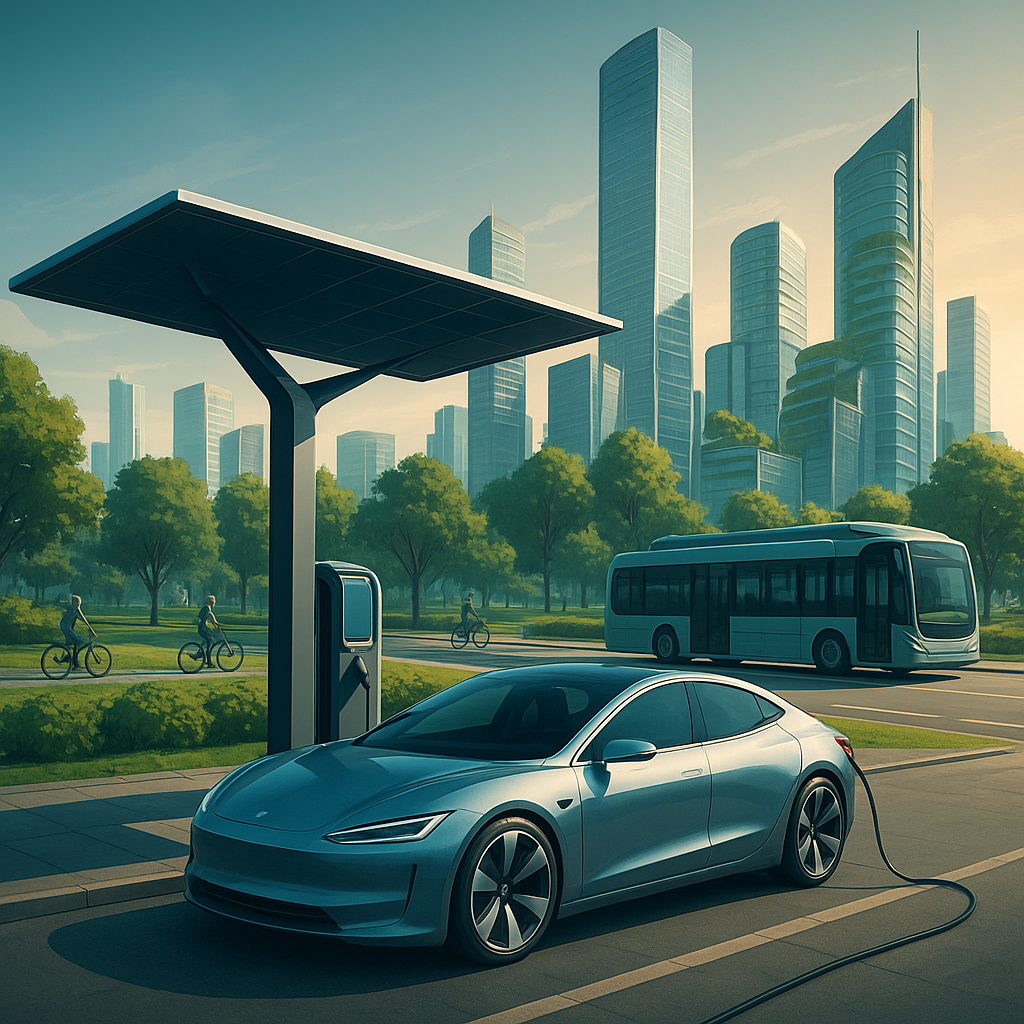
Urban planners are redesigning cities to accommodate electric mobility, integrating charging infrastructure into new developments and promoting multimodal transport options. The rise of electric commercial vehicles, including buses and delivery trucks, is also reshaping logistics and public transit.
“Electric vehicles are not just products; they are catalysts for systemic change in how we move and power our lives,” asserts Helena Ruiz, Director of the Sustainable Mobility Institute.
The industry implications extend to labor markets, where electric vehicle manufacturing requires different skill sets compared to traditional vehicles, prompting retraining initiatives. Meanwhile, the environmental benefits hinge on decarbonizing the electricity grid and developing sustainable battery supply chains.
- Industry shifts: Vertical integration strategies by automakers into battery production and raw material sourcing.
- Urban impact: Growing investments in EV-friendly infrastructure and policies promoting electric public transportation.
- Skills and workforce: Expansion of training programs for EV maintenance and battery recycling.
These expert perspectives underscore the multifaceted impact of electric vehicles beyond the showroom floor.
What Lies Ahead: Future Trends and Strategic Takeaways
Looking forward, the electric vehicle market is poised for further transformation driven by technology, policy, and consumer dynamics. Key trends to watch include:
- Battery breakthroughs: Commercialization of solid-state batteries and alternative chemistries like sodium-ion could dramatically reduce costs and improve sustainability.
- Grid integration: Expansion of vehicle-to-grid (V2G) services will turn EVs into distributed energy resources, supporting renewable energy integration and grid resilience.
- Autonomous electric vehicles: The convergence of electrification and autonomy will reshape mobility services and urban transport.
- Second-life applications: Repurposing used EV batteries for stationary energy storage to extend their lifecycle and reduce waste.
- Policy evolution: Stricter emissions targets and incentives for circular economy practices will drive industry innovation.
Consumers should consider total cost of ownership, charging accessibility, and environmental impact when choosing an EV. Public and private stakeholders must collaborate to build resilient supply chains and infrastructure to sustain growth.
For those interested in the dynamic interplay between energy markets and EV adoption, TheOmniBuzz’s analysis of the 2026 oil shock reveals how geopolitical events accelerate electrification (How The 2026 Oil Shock Ignited Electric Vehicles’ Rapid Revival). Similarly, understanding the role of global conflicts in shaping EV strategies is critical (How the Iran Conflict Accelerated the Electric Vehicle Revolution).
“The future of electric vehicles will be defined by how well we integrate technology, policy, and sustainability goals into cohesive ecosystems,” concludes Dr. Chen.
As electric vehicles continue to gain momentum, their role as agents of environmental stewardship and innovation becomes increasingly clear. The road ahead is challenging but filled with opportunity for those ready to embrace the electric future.