
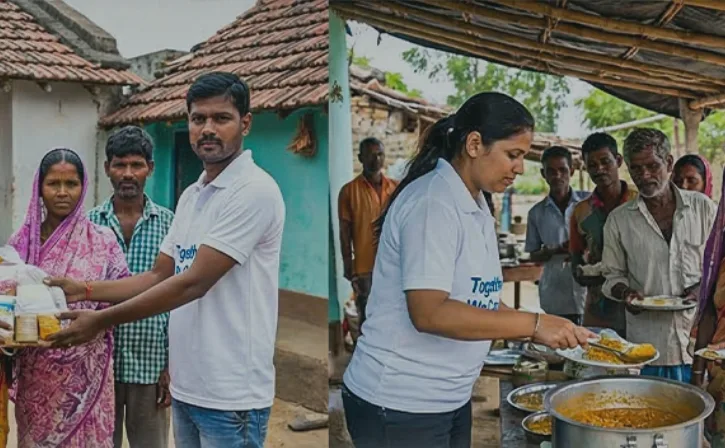
In a country as diverse and populous as India, charitable giving has become more than an act of kindness—it is now a powerful tool for social transformation. Whether it is supporting children’s education, healthcare access, women’s empowerment, disaster relief, elderly care, or rural development, choosing the best charity to donate in India requires careful evaluation rather than emotional decision-making alone. Today’s donors are increasingly looking for transparency, measurable impact, financial accountability, and long-term sustainability before contributing to any social cause.
India’s social sector has witnessed major growth over the last few years. According to recent philanthropy and CSR reports, social sector funding in India reached nearly ₹25 lakh crore in FY24 and is projected to grow significantly by FY29. However, experts also highlight a massive funding gap that still exists in areas like healthcare, nutrition, sanitation, education, and livelihood development.
Why Donations Matter More Than Ever
India continues to face complex social challenges despite rapid economic growth. Millions of people still struggle with access to quality healthcare, clean drinking water, education, mental health support, elderly care facilities, and financial stability. Natural disasters, inflation, migration, and unemployment have further widened the gap between vulnerable communities and essential services.
Charitable organizations often become the bridge between underserved populations and critical support systems. Donations help fund:
- Midday meal and nutrition programs
- Education for underprivileged children
- Medical treatment and health camps
- Shelter and rehabilitation initiatives
- Women empowerment and skill development
- Old age support programs
- Disaster and emergency relief operations
- Rural livelihood projects
When donors contribute strategically, they help create sustainable change rather than temporary relief.
Key Factors to Evaluate Before Donating
1. Transparency and Financial Accountability
One of the most important indicators of a trustworthy charity is transparency. Reliable organizations openly share their annual reports, financial statements, utilization records, and project outcomes.
Modern donors prefer organizations that clearly explain:
- How funds are utilized
- Administrative costs versus program expenses
- Number of beneficiaries impacted
- Project timelines and measurable results
Recent regulatory changes in India have also increased scrutiny regarding foreign donations and fund disclosures, encouraging greater accountability across the nonprofit sector.
2. Real Social Impact
A genuine charity focuses on measurable outcomes rather than only emotional storytelling. Instead of simply showcasing images or campaigns, impactful organizations demonstrate:
- Number of children educated
- Medical cases treated
- Villages transformed
- Women employed or trained
- Elderly people supported
- Environmental improvements achieved
Impact-driven philanthropy is becoming a major trend in India’s CSR and donation ecosystem. Experts now emphasize long-term, sustainable interventions instead of short-term charity campaigns.
3. Legal Compliance
Before donating, donors should ensure the organization complies with Indian legal requirements. Important registrations may include:
- Trust registration
- Society registration
- Section 8 company registration
- 12A certification
- 80G tax exemption eligibility
- FCRA compliance for foreign donations
Legal compliance increases donor confidence and minimizes the risk of fraud or misuse of funds.
The Rise of Digital Giving in India
Technology has transformed the donation ecosystem. People can now contribute instantly through:
- UPI payments
- Crowdfunding platforms
- NGO websites
- CSR partnerships
- Social media campaigns
- Subscription-based monthly giving
Digital fundraising has also improved awareness around niche causes such as mental health, menstrual hygiene, animal welfare, disability support, and senior citizen care.
At the same time, experts warn donors to verify campaigns carefully before contributing online. Several investigations and court observations in recent years have highlighted concerns regarding fake fundraising campaigns and misuse of donations.
How Corporate Social Responsibility Is Changing Charity
Corporate Social Responsibility (CSR) has become a major force in India’s social development landscape. India remains one of the few countries with mandatory CSR spending regulations for eligible companies.
Recent reports suggest CSR spending may cross ₹1.2 lakh crore by FY35, showing how rapidly organized philanthropy is expanding.
However, experts also point out that:
- Funding is often concentrated in urban and industrial regions
- Smaller grassroots organizations struggle to access funding
- Long-term partnerships are still limited
- Many NGOs lack technical fundraising infrastructure
As a result, individual donors continue to play a critical role in supporting underserved regions and overlooked causes.
Causes That Are Receiving More Attention in 2026
Indian donors are increasingly supporting causes that create lasting societal impact. Some of the fastest-growing areas include:
- Elderly care and assisted living support
- Women entrepreneurship initiatives
- Child nutrition and education
- Mental health awareness
- Rural healthcare accessibility
- Skill development and employment generation
- Climate and environmental sustainability
- Disability inclusion programs
Donors today are not just asking “Where should I donate?” They are asking:
- “What impact will my donation create?”
- “Is the organization trustworthy?”
- “Will the contribution create long-term change?”
That shift reflects a more informed and responsible giving culture.
Final Thoughts
Choosing the right charity is ultimately about aligning compassion with credibility. The most meaningful donations are not always the largest ones—they are the ones directed toward transparent, impact-oriented initiatives that genuinely improve lives.
In 2026, informed giving is becoming the foundation of modern philanthropy in India. As awareness grows around accountability, sustainability, and measurable social impact, donors are increasingly becoming active participants in nation-building rather than passive contributors.
Every thoughtful donation, no matter how small, has the potential to create dignity, opportunity, and hope for someone who truly needs it.