
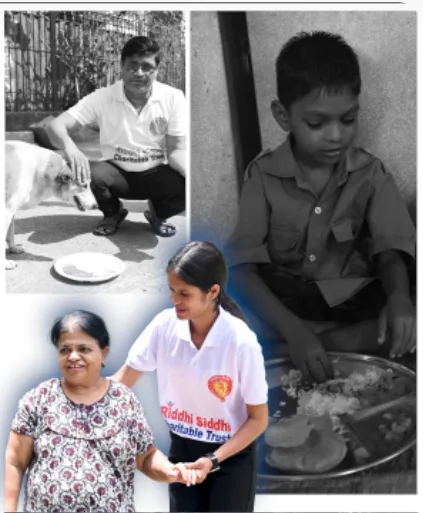
Across cities, towns, and villages, thousands of senior citizens are living in conditions that no human being deserves. Some are left alone after losing family support, while others are neglected due to financial hardship, migration of children, or changing social structures. The issue has become increasingly visible in recent years as the population of elderly people continues to grow rapidly. To truly help abandoned elderly people India, society must move beyond sympathy and focus on sustainable support systems that restore dignity, healthcare access, emotional security, and social inclusion.
India is currently witnessing a major demographic shift. According to recent government estimates and population studies, the number of citizens above 60 years is expected to cross 190 million within the next decade. While increased life expectancy is a positive sign of development, it also creates urgent challenges related to elderly welfare, healthcare infrastructure, mental health support, and social protection. Unfortunately, many older individuals are facing abandonment, homelessness, poverty, and isolation at the same time.
One of the biggest reasons behind elderly abandonment is economic instability. In many families, financial stress leads to neglect of aging parents. Retired individuals without pensions or savings often become dependent on relatives for daily necessities. In urban areas, migration for work has also weakened traditional joint family systems, leaving many elderly citizens alone without regular care or companionship.
Another critical factor is health. Aging naturally increases vulnerability to chronic illnesses such as diabetes, arthritis, heart disease, vision problems, and mobility-related disorders. Elderly individuals who are abandoned frequently struggle to access proper medical treatment. Regular medication, diagnostic tests, and emergency care become difficult when there is no caregiver or financial support available. Mental health challenges like depression, anxiety, and loneliness further worsen their condition.
Social isolation has emerged as a silent crisis among senior citizens. Many elderly people spend entire days without meaningful human interaction. Lack of communication gradually affects emotional wellbeing and cognitive health. Experts have repeatedly emphasized that emotional care is just as important as physical assistance for older adults. A simple conversation, regular visits, and community participation can significantly improve quality of life.
Creating age-friendly communities is one of the most effective ways to address this growing issue. Local communities can organize neighborhood support programs where volunteers regularly check on elderly residents living alone. Small initiatives such as grocery assistance, medicine delivery, transportation support, and companionship activities can make a major difference in their daily lives. Community kitchens and senior recreation centers can also reduce feelings of loneliness and neglect.
Healthcare accessibility must also become a national priority. Mobile health camps, affordable geriatric care, telemedicine services, and home-based medical assistance can help elderly individuals who are unable to travel frequently. Rural regions especially require stronger healthcare outreach programs because many senior citizens there live far from hospitals and clinics. Preventive healthcare awareness can also help detect diseases earlier and reduce long-term suffering.
Technology can play a surprisingly important role in elderly welfare. Digital platforms now enable emergency response systems, virtual consultations, medication reminders, and video communication with caregivers or relatives. However, many older adults are unfamiliar with smartphones and online services. Digital literacy programs designed specifically for senior citizens can help them remain connected and independent.
Legal awareness is equally important. Many elderly people are unaware of their rights under maintenance and welfare laws created for senior citizens in India. These laws are intended to protect older adults from neglect, abuse, and abandonment. Public awareness campaigns can educate families and communities about the responsibilities associated with elderly care while encouraging ethical treatment of aging parents and relatives.
Young people can contribute meaningfully as well. Schools, colleges, and youth groups can organize volunteer programs focused on interacting with senior citizens, reading to them, assisting with technology, or simply spending time listening to their experiences. Intergenerational bonding not only benefits elderly individuals emotionally but also helps younger generations develop empathy, patience, and social responsibility.
Corporate organizations are also increasingly participating in elderly welfare through CSR initiatives. Funding healthcare services, food programs, rehabilitation centers, and emotional wellness campaigns can strengthen long-term support systems for vulnerable senior citizens. Sustainable partnerships between communities, healthcare professionals, volunteers, and social institutions can create broader impact than isolated efforts.
Media and public storytelling can further shift societal attitudes toward aging. Elderly individuals should not be viewed as burdens but as valuable contributors with decades of knowledge, wisdom, and lived experience. Respectful representation in media, cinema, digital platforms, and public discussions can encourage more compassionate treatment of senior citizens across society.
Ultimately, addressing elderly abandonment requires collective responsibility. Government policies alone cannot solve the issue without active public participation. Families, communities, healthcare systems, educational institutions, and businesses all have roles to play in building a society where older adults feel safe, respected, and cared for.
A nation is often judged by how it treats its most vulnerable citizens. Ensuring dignity, emotional security, healthcare access, and human connection for abandoned elderly people is not merely a charitable act — it is a reflection of social values and humanity itself.