In today's globalized marketplace, call centers are the front line of customer service, often handling inquiries from diverse populations with a wide range of accents and dialects. This diversity, while enriching, can also present significant communication challenges. Misunderstandings due to accented speech can lead to frustration, longer call times, and ultimately, decreased customer satisfaction. Enter Artificial Intelligence (AI), offering groundbreaking solutions in the form of AI accent harmonizer software, AI accent voice clarity tools, and AI vocal enhancer technologies. This article will delve into the transformative role AI is playing in accent conversion for call centers, exploring its benefits, challenges, and the future it promises.
The Accent Barrier: A Persistent Challenge
The challenge of accented speech in call centers is multifaceted. For customers, understanding a heavily accented representative can be taxing, leading to a perception of poor service, even if the information provided is accurate. For agents, constantly needing to repeat themselves or clarify their speech can be exhausting and demoralizing. Furthermore, cultural differences in communication styles can exacerbate these issues, leading to misinterpretations and potentially negative customer experiences. This persistent "accent barrier" can significantly impact key performance indicators (KPIs) like Average Handling Time (AHT), First Call Resolution (FCR), and Customer Satisfaction (CSAT) scores.
AI to the Rescue: Harmonizing Accents for Clear Communication
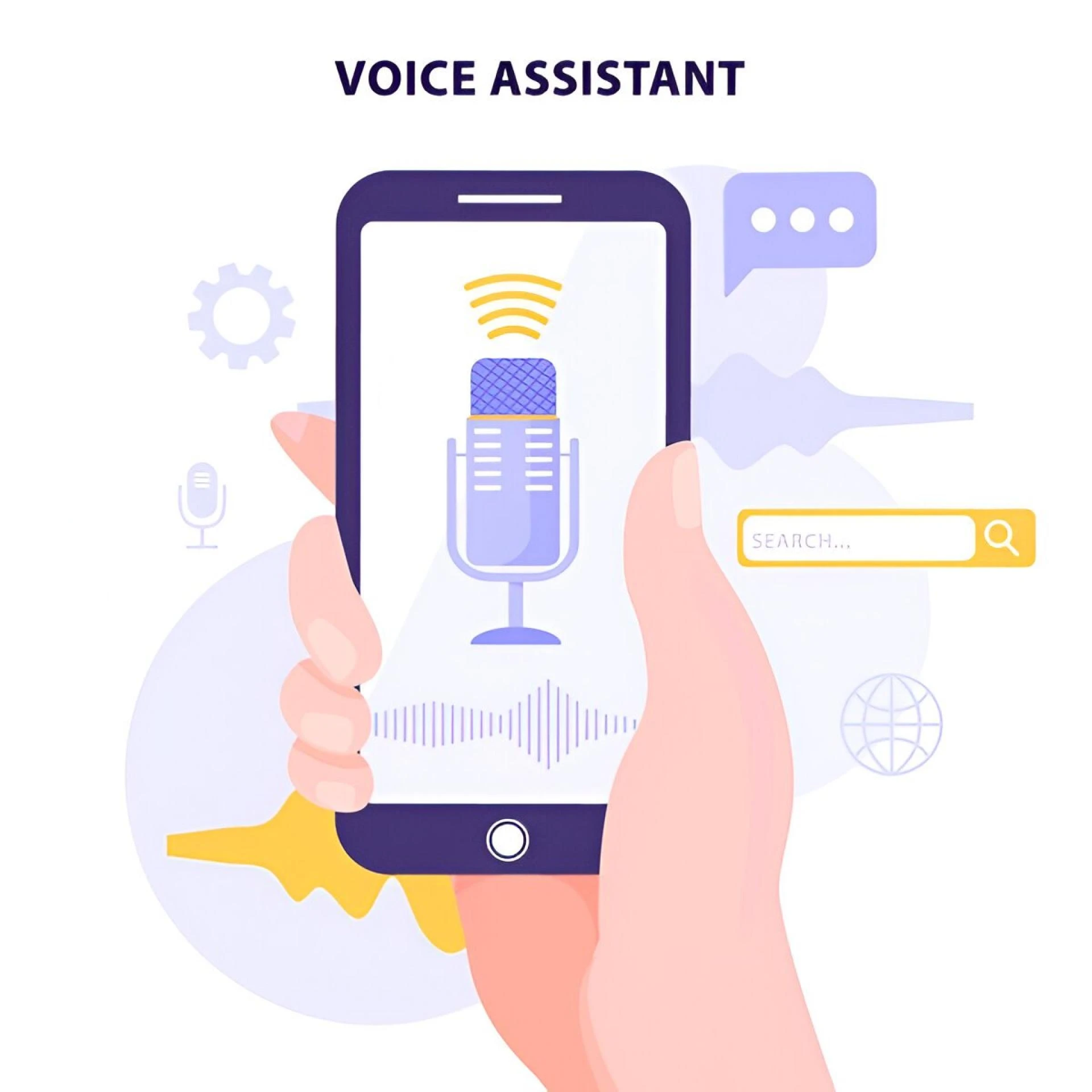
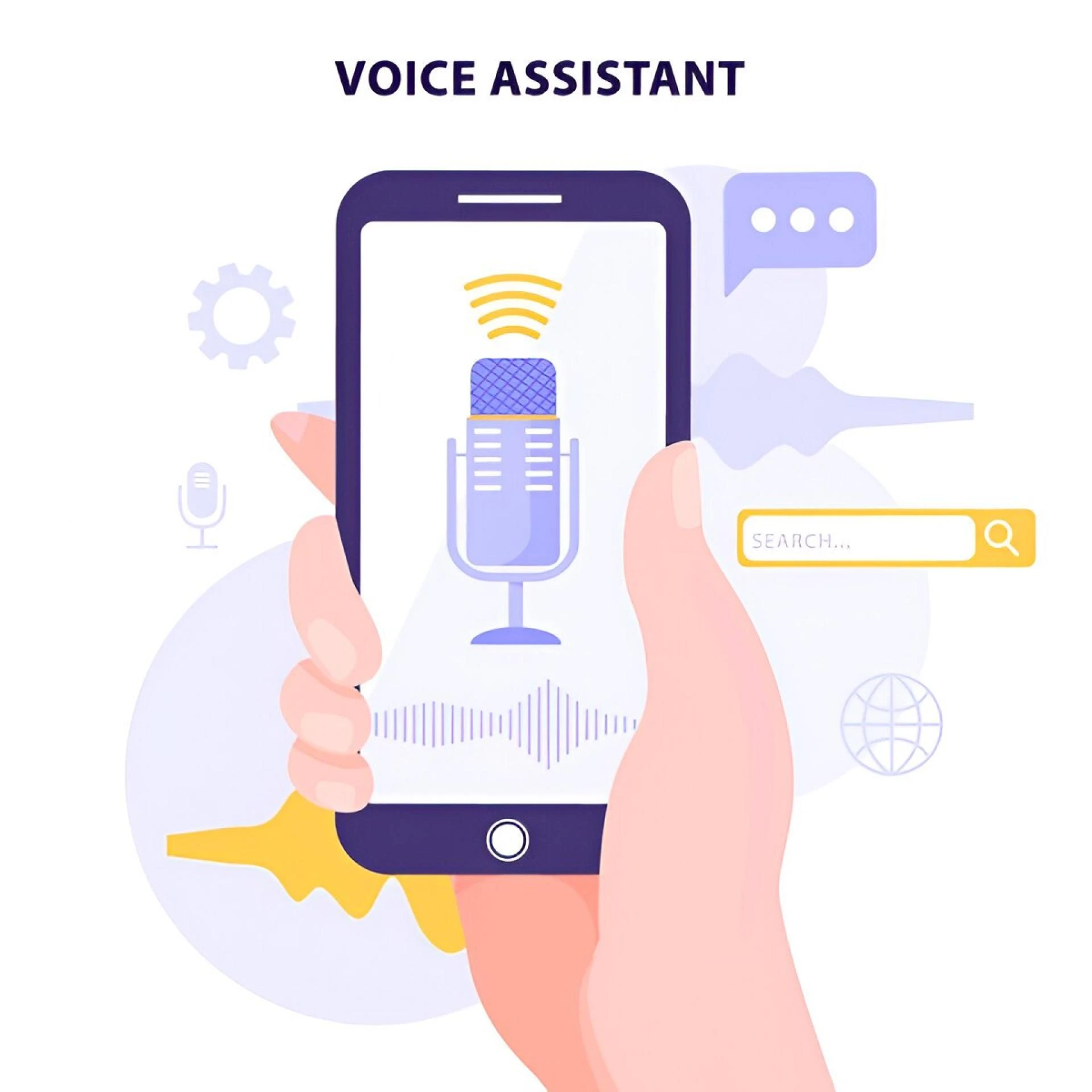
AI-powered accent conversion is not about eliminating accents altogether. Instead, it focuses on harmonizing them to enhance clarity and improve understanding. This is achieved through a combination of advanced technologies, including:
- Speech Recognition: AI algorithms analyze the audio input, transcribing the spoken words into text. This transcription forms the basis for further processing.
- Accent Identification: The system identifies the specific accent of the speaker using machine learning models trained on massive datasets of accented speech.
- Accent Conversion: This is the core of the technology. AI algorithms modify the audio signal to adjust pronunciation, intonation, and pace of speech, making it more easily understood by a wider range of listeners. The goal is to retain the speaker's natural voice characteristics while smoothing out the more challenging aspects of their accent.
- AI Vocal Enhancer: Besides accent conversion, AI vocal enhancer features can also improve overall voice quality by reducing background noise, eliminating distortion, and improving volume consistency. This ensures that the agent's voice is clear and prominent.
- Real-Time Processing: All of these processes occur in real-time, allowing for seamless communication between the agent and the customer.
Benefits of AI-Powered Accent Conversion in Call Centers
The implementation of AI accent harmonizer software offers numerous advantages for call centers:
- Improved Customer Understanding: By making it easier for customers to understand agents, AI leads to increased customer satisfaction and a more positive overall experience.
- Reduced Call Handling Time: Clearer communication means fewer repetitions and less need for clarification, resulting in shorter call durations and more efficient call center operations. This directly impacts AHT, a crucial KPI.
- Increased First Call Resolution: With improved understanding, agents are better equipped to resolve customer issues on the first call, boosting FCR rates and reducing the need for follow-up calls.
- Enhanced Agent Confidence and Morale: Agents feel more empowered when they can communicate effectively and avoid frustrating interactions with customers. This leads to increased job satisfaction and reduced agent turnover.
- Expanded Talent Pool: AI accent harmonizer software allows call centers to recruit agents from a wider geographic area, regardless of their native accent, opening up access to a larger pool of qualified candidates.
- Cost Savings: By improving efficiency and reducing errors, AI-powered accent conversion can lead to significant cost savings for call centers.
- Improved Accuracy: AI accent voice clarity software works towards improving not only understandability but also accuracy by correcting unintentional mispronunciations or ambiguities.
Challenges and Considerations
While the potential benefits are significant, implementing AI for accent conversion also presents certain challenges:
- Data Training and Bias: AI models are only as good as the data they are trained on. If the training data is biased, the system may inadvertently discriminate against certain accents or dialects. Careful attention must be paid to data collection and curation to ensure fairness and avoid perpetuating biases.
- Technical Implementation: Integrating AI accent conversion software into existing call center infrastructure can be complex and require significant technical expertise. Compatibility with existing systems and scalability are important considerations.
- Privacy and Security: Handling sensitive audio data requires strict adherence to privacy regulations and robust security measures to protect customer information.
- Ethical Considerations: It's essential to use AI for accent conversion in a way that is respectful and ethical. The goal should be to enhance communication, not to erase cultural identity or stigmatize certain accents. Transparency and agent buy-in are crucial for ensuring ethical implementation.
- The "Unnaturalness" Factor: There is a risk that the synthesized voice created by AI accent harmonizer software may sound robotic or unnatural, which can be off-putting to some customers. This can be solved by choosing software that uses natural language processing (NLP) and advanced algorithms to create a more authentic voice.
The Future of Accent Conversion in Call Centers
The future of AI-powered accent conversion in call centers is bright. As AI technology continues to advance, we can expect to see even more sophisticated and effective solutions emerge. Some potential future developments include:
- Personalized Accent Harmonization: AI systems will be able to adapt to individual customer preferences, tailoring the accent conversion process to maximize understanding for each listener.
- Multilingual Support: AI will be able to seamlessly translate and convert accents across multiple languages, enabling truly global communication.
- Integration with Sentiment Analysis: AI systems will be able to analyze the emotional tone of the conversation and adjust the accent conversion process accordingly to ensure empathy and sensitivity.
- Improved AI Vocal Enhancer Technologies: Expect even more advanced noise cancellation, echo reduction, and voice clarity features to further enhance the listening experience.
- Agent Training Tools: AI will be used to provide personalized accent training for agents, helping them improve their pronunciation and communication skills over time.
Conclusion
AI is revolutionizing the way call centers handle accent diversity. AI accent harmonizer software, coupled with AI accent voice clarity tools and AI vocal enhancer technologies, offers a powerful solution for breaking down communication barriers, improving customer satisfaction, and enhancing agent performance. While challenges remain, the potential benefits are undeniable. By embracing AI responsibly and ethically, call centers can create a more inclusive and effective communication environment for both their agents and their customers. As AI continues to evolve, its role in accent conversion will only become more prominent, transforming the landscape of global customer service.