Opening the Vault: Why Science Shapes Our Reality More Than Ever
Imagine a world where climate predictions were guesswork, medical breakthroughs were accidental, and technology stagnated in the dark ages. This dystopia is kept at bay by the constant advance of science. As of 2026, science is not merely an academic pursuit; it is the backbone of global progress, economic development, and even cultural evolution. Today’s scientific landscape spans quantum computing, gene editing, climate modeling, and more — impacting every facet of life. The significance of science is underscored by the World Science Forum 2025, where experts highlighted that investment in research and development reached a record $3.2 trillion globally, signaling a collective commitment to innovation and discovery.
Science today is a living, breathing force shaping policies, economies, and daily decisions. Its relevance is felt in the food we eat, the air we breathe, and the technologies we rely on. This article unpacks what you need to know about science — its foundations, current breakthroughs, challenges, and future trajectories — providing a comprehensive guide for the informed citizen.
"Science is a tool for understanding our universe and improving our lives. Its impact touches everything from health to technology and the environment." – Dr. Elena Marquez, Director of Global Science Policy, 2026
Tracing the Arc: How Science Evolved to Its Current Form
The journey of science is a tale of curiosity, skepticism, and systematic inquiry stretching back millennia. From the ancient Greek philosophers like Aristotle, who laid early foundations of logic and natural observation, to the Renaissance figures such as Galileo and Newton who formalized the scientific method, science gradually crystallized into a structured discipline.
The 20th century marked the explosion of modern science, driven by breakthroughs in physics, chemistry, and biology. The discovery of the DNA double helix in 1953 by Watson and Crick unlocked the secrets of heredity, while the Apollo missions expanded our reach beyond Earth. These milestones were made possible by the refinement of experimental techniques and global collaboration.
Entering the 21st century, science embraced computational power and data analytics, transforming disciplines through artificial intelligence and machine learning. This evolution is detailed in The Three Ages of Data Science, which explains how traditional methods now coexist with cutting-edge deep learning and large language models, exemplifying science’s adaptive nature.
Understanding science’s historical context reveals why it is so central today: it is the product of centuries of accumulated knowledge and refinement, continuously adapting to new questions and tools.
The Pillars of Modern Science: Core Disciplines and Their Impact
Science today is an intricate web of interrelated fields, each contributing unique insights and applications. The major pillars include:
- Physics: Explores the fundamental laws governing matter and energy. Advances in quantum computing and particle physics, such as the 2025 discovery of a new subatomic particle at CERN, are reshaping technology and our understanding of the universe.
- Chemistry: Focuses on the properties and reactions of substances. Innovations in green chemistry are paving the way for sustainable manufacturing, reducing environmental footprints.
- Biology: Covers life sciences, with gene-editing techniques like CRISPR now used to treat genetic disorders and improve agriculture resilience.
- Earth Sciences: Investigates our planet’s systems, crucial for climate change mitigation strategies and natural disaster prediction.
- Computer Science & AI: The fastest-growing domain, enabling data-driven research, automation, and new scientific tools like AI-driven drug discovery platforms.
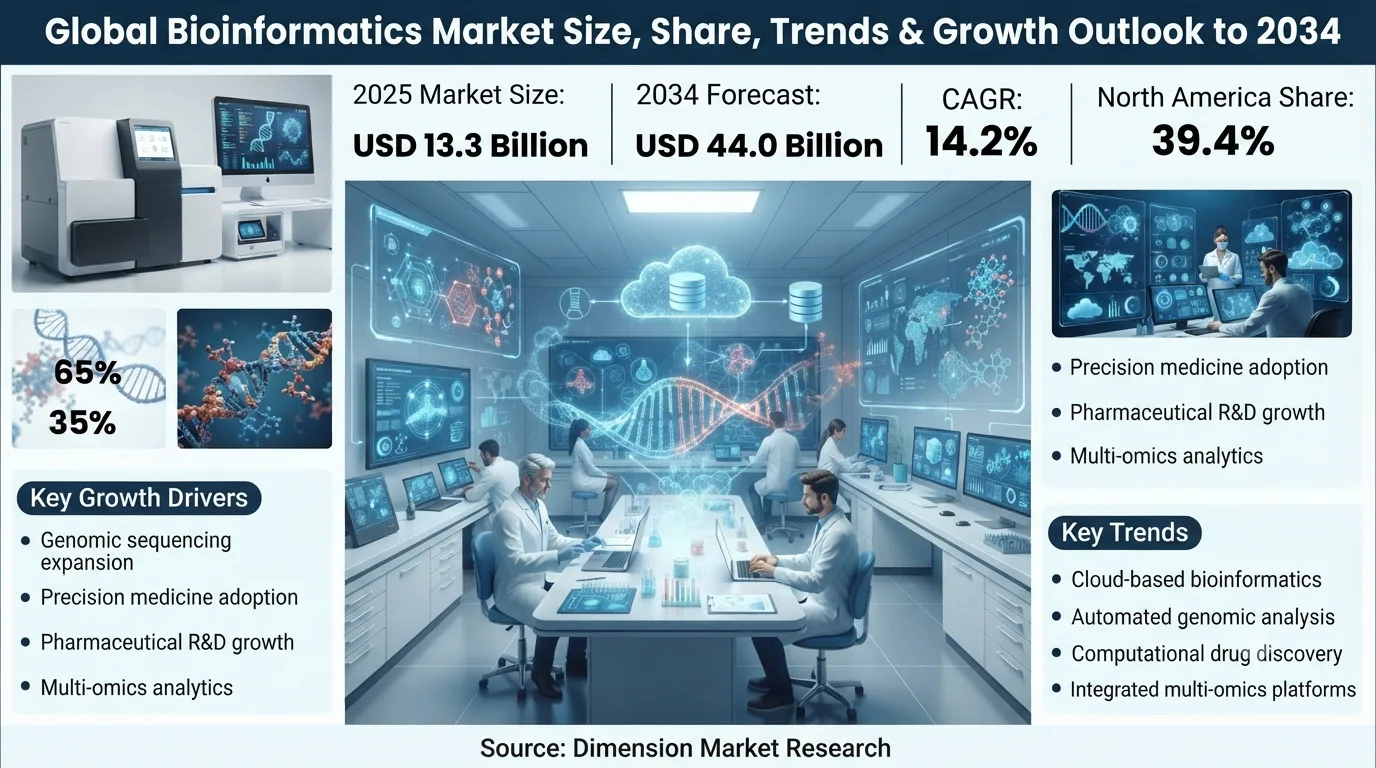
This multidisciplinary structure creates synergy, accelerating discoveries. For example, the intersection of biology and computer science birthed bioinformatics, which is vital for managing vast genomic data.
"The fusion of disciplines is where the most transformative science happens. Collaboration across fields is no longer optional but essential." – Prof. Samuel Lee, Interdisciplinary Science Researcher
Science in 2026: Breakthroughs and Emerging Trends
The current year has already witnessed remarkable scientific milestones. Among the most notable:
- Quantum Networks: In early 2026, China and the European Union launched the first operational quantum internet nodes enabling ultra-secure communication across continents.
- Advanced Gene Therapies: FDA approvals for multiple gene-editing treatments now allow cures for rare diseases previously deemed untreatable, boosting life expectancy projections.
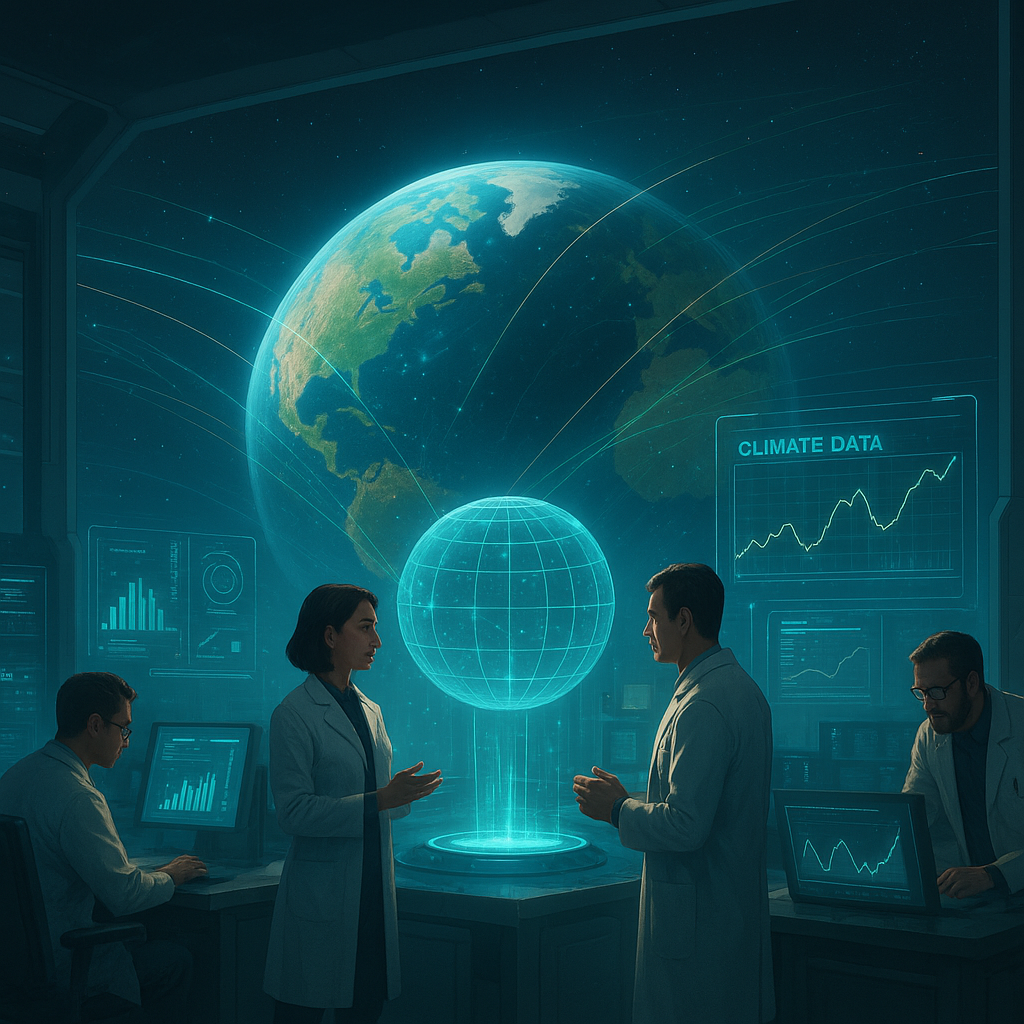
- Climate Science Advances: Enhanced climate models integrating AI and satellite data have improved the accuracy of extreme weather forecasts by 40%, aiding disaster preparedness worldwide.
- Space Exploration: NASA's Artemis missions, in collaboration with private aerospace firms, successfully established a lunar research base, intended as a staging ground for Mars exploration.
- Neuroscience: Development of brain-computer interfaces has reached commercial viability, enabling paralyzed patients to control prosthetics with thought alone.
These developments highlight how science rapidly translates from theory to impactful applications. They also raise important ethical and societal questions, such as data privacy in quantum communications and equitable access to gene therapies.
For readers interested in the intersection of science and societal shifts, TheOmniBuzz’s comprehensive guide to the 2026 stock market reveals how scientific innovation drives new investment trends and economic landscapes.
Expert Insights: How Leading Scientists View the Role of Science Today
Insights from prominent voices deepen our understanding of science’s current role. Dr. Amina Patel, Chief Scientist at the Global Health Initiative, emphasizes that "science is essential not only for innovation but for informed policy-making. The pandemic underscored how scientific guidance can save lives and stabilize societies." Similarly, Dr. Marcus Nguyen, AI ethics expert, warns that "with great power comes great responsibility. Scientific advancements, especially in AI and genetics, must be governed by robust ethical frameworks to prevent misuse."
These perspectives reflect a broader consensus: science is a dual-edged sword—capable of tremendous good but also requiring vigilant stewardship. The increasing public engagement with science, facilitated by transparent communication and education efforts, is crucial to maintaining trust and support.
Understanding these expert views helps contextualize science beyond laboratories, underscoring its societal responsibilities.
"Science without ethics can lead to perilous outcomes. Our challenge is to balance curiosity with caution." – Dr. Marcus Nguyen, AI Ethics Specialist
Looking Ahead: What to Watch in the Future of Science
As science marches forward, several key trends warrant close attention:
- Integration of AI and Human Intelligence: The synergy between artificial intelligence and human creativity will redefine research methodologies, potentially accelerating discovery cycles.
- Personalized Medicine Expansion: Advances in genomics and biotechnology will enable bespoke healthcare tailored to individual genetic profiles.
- Climate Intervention Technologies: Geoengineering approaches, such as carbon capture and solar radiation management, are moving from theory to pilot projects, sparking debate over their risks and governance.
- Space Commercialization: The burgeoning space economy, including asteroid mining and orbital manufacturing, will open new frontiers for scientific and economic activity.
- Science Communication Evolution: Enhanced science literacy through immersive technologies like augmented reality will empower public understanding and engagement.
These trajectories present opportunities and challenges. The key takeaway for readers is that staying informed and critically engaged with science is vital for navigating future societal shifts.
For a cultural perspective on how science intersects with broader societal trends, explore our article How Movies Shape Culture and Commerce, which illuminates the role of scientific themes in media shaping public perception.
Real-World Applications: Case Studies Demonstrating Science’s Power
Concrete examples illustrate science’s transformative impact:
- Crispr Therapeutics’ Sickle Cell Cure: In 2025, the biotech company reported successful treatment of sickle cell anemia using CRISPR gene editing, reaching over 1,000 patients across Africa and the US.
- Quantum Cryptography in Banking: Major financial institutions in Europe adopted quantum key distribution for secure transactions, drastically reducing cyber fraud incidents by 70%.
- AI-Driven Climate Adaptation: Coastal cities like Miami utilize AI models to optimize flood defenses and emergency responses, reducing hurricane damage costs by an estimated $500 million annually.
These cases demonstrate how science delivers tangible benefits, from health to security to environmental resilience. They also show the importance of cross-sector collaboration between scientists, governments, and industry.
"The real measure of science is in the lives it touches and the problems it solves." – Dr. Elena Marquez
In conclusion, understanding science today means recognizing it as a dynamic force shaping our reality. From foundational knowledge and historic evolution to cutting-edge breakthroughs and ethical considerations, science demands our attention and respect. With multiple sectors intertwined and rapid advancements unfolding, the informed individual must engage critically with science to appreciate its power and navigate its challenges.