
The Cinematic Moment That Changed Everything
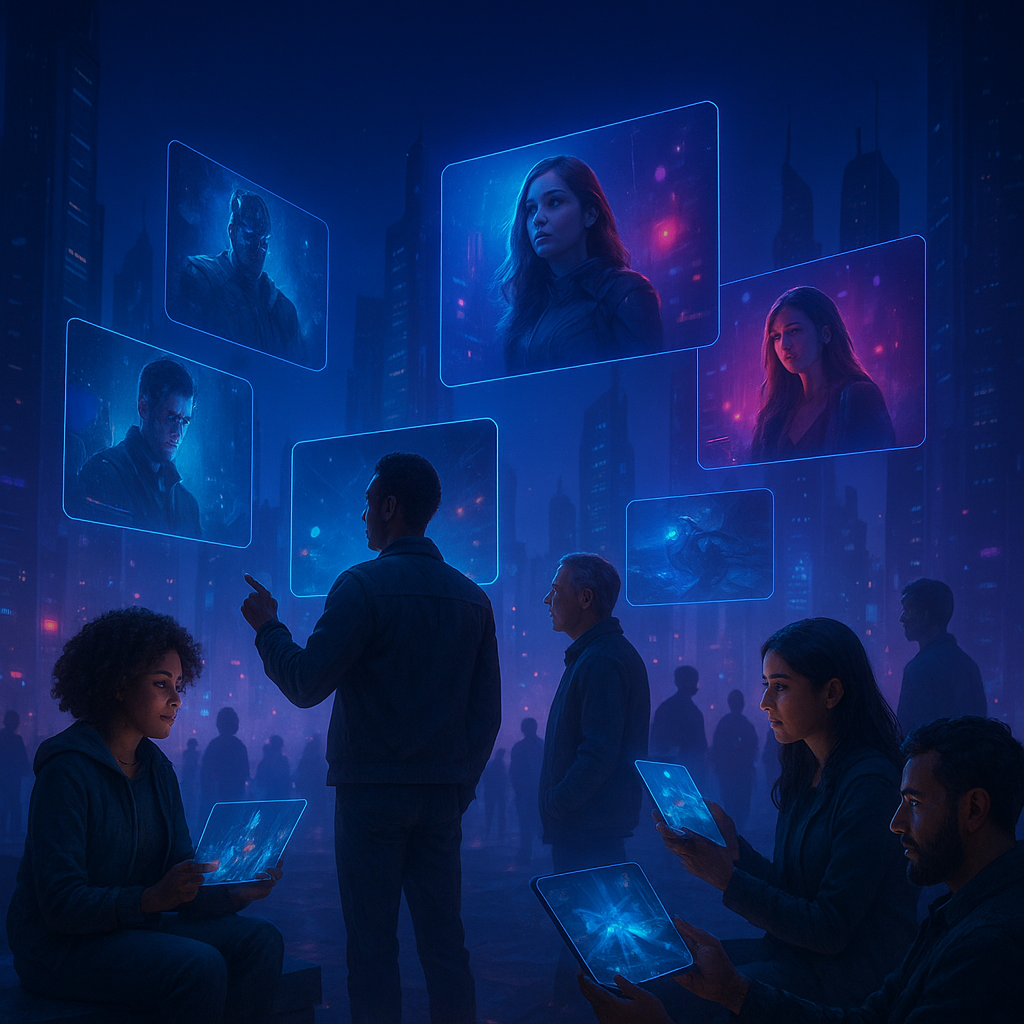
In 2023, the release of "Eclipse of Tomorrow," a sci-fi epic blending cutting-edge AI-generated visuals with traditional storytelling, marked a pivotal shift in how movies are made and consumed. Audiences worldwide were captivated not only by its narrative but also by the seamless integration of technology that blurred the line between reality and fiction. This event was not just a cinematic milestone; it exemplified the accelerating transformation of the entire film industry, foreshadowing the trends that define movie-making and distribution in 2026.
Movies have always been a mirror reflecting society’s evolving values, fears, and aspirations. Yet, the way films are produced, distributed, and experienced today is unlike any other time in history. From streaming platforms outreaching traditional theaters to the rise of virtual reality (VR) and interactive storytelling, the cinematic landscape demands a keen understanding of both its heritage and future potential. This article explores the essential facets of movies you need to know—from historical context to technological advances, industry economics, and cultural impact—offering a comprehensive guide for enthusiasts, creators, and investors alike.
Tracing the Evolution: From Celluloid to Digital Dominance
The journey of movies spans over a century, beginning with silent films in the late 19th century and evolving through the golden age of Hollywood, the rise of independent cinema, and the digital revolution. The transition from analog film to digital formats in the early 2000s democratized filmmaking by lowering production costs and enabling global collaboration.
According to industry historians, this shift also precipitated the fragmentation of movie audiences. Where once films relied on theatrical releases and physical media sales, the advent of digital platforms introduced new modes of consumption, such as on-demand streaming and mobile viewing. This decentralization created opportunities and challenges alike.
By 2026, the landscape is dominated by a few major conglomerates controlling both production studios and streaming services, yet independent films continue to thrive through niche markets and festivals. The global box office revenue, which peaked at $46 billion in 2019, experienced setbacks during the pandemic years but rebounded to $42 billion in 2025, with an increasing share attributed to hybrid release models.
“Understanding the history of movies is critical to appreciating how technology and culture have intertwined to shape what audiences expect today,” says Dr. Helena Marks, a film studies scholar at the University of Southern California.
Decoding the Economics: How Movies Make Money in 2026
The business model of movies has expanded well beyond ticket sales. Today, revenue streams include theatrical releases, streaming subscriptions, digital rentals, merchandising, licensing, and increasingly, immersive experiences such as VR and augmented reality (AR) extensions.
Data from the Motion Picture Association of America (MPAA) reveals that in 2025, global streaming revenues surpassed box office income for the first time, with over $50 billion generated from subscription and transactional video on demand (SVOD/TVOD) services combined. This shift is driven by convenience, personalized recommendations powered by AI, and exclusive releases on platforms like StreamFlix and CineVerse.
Furthermore, the rise of blockchain technology has introduced new paradigms in movie financing and rights management. Tokenization allows fractional ownership of intellectual property, giving fans and investors a stake in a film’s success and creating secondary markets for trading these tokens.
- Primary revenue sources in 2025:
- Streaming services: 45%
- Theatrical box office: 38%
- Merchandising and licensing: 10%
- Ancillary experiences (VR/AR): 7%
- Top-grossing genres globally:
- Action/Adventure: 32%
- Drama: 21%
- Science Fiction: 18%
- Animation: 12%
- Others: 17%
"The integration of blockchain and NFTs in film has redefined how intellectual property is monetized and shared with audiences," notes Marcus Lee, CEO of CineChain, a leading blockchain platform for entertainment.
Technological Innovations Transforming Storytelling
Advancements in technology have revolutionized the cinematic experience, enabling filmmakers to tell stories with unprecedented creativity and immersion. AI-driven script analysis helps predict audience reception, while virtual production techniques allow real-time rendering of environments, drastically reducing costs and timelines.
In 2026, the use of volumetric capture and holographic projection has gained traction, particularly for live events and interactive experiences tied to movie franchises. This enables fans to engage with characters and narratives in mixed reality settings, blurring the boundaries between passive viewing and active participation.
The rise of AI-generated actors and deepfake technology also presents ethical and creative challenges. While some productions use synthetic performers to reduce shooting schedules or resurrect deceased stars, debates around consent and authenticity continue to shape industry policies.
- Key technological trends in 2026:
- AI-assisted scriptwriting and editing
- Virtual production and LED volume stages
- Volumetric video and holograms for immersive storytelling
- Blockchain-based rights management
- AI-generated digital actors and characters
These innovations are not only changing how movies are made but also how they are consumed. Personalized narratives, where viewers influence the storyline through choices, are becoming mainstream, especially in streaming platforms targeting younger demographics.
Industry Insights: Perspectives from Experts and Creators
Leading voices in the film industry underscore the importance of balancing technological progress with storytelling integrity. Renowned director Sofia Ramirez emphasizes that "technology should serve the story, not overshadow it." Her latest film, a hybrid live-action and AI-generated drama, was praised for its emotional depth despite heavy technological integration.
Producers highlight the challenges of navigating a fragmented market while maintaining profitability. The global nature of film financing means that studios must cater to diverse cultural sensibilities while leveraging global distribution networks. This complexity has led to strategic partnerships between Hollywood, Bollywood, and emerging markets such as Nigeria’s Nollywood.
Experts also point to sustainability as a growing concern. The carbon footprint of large-scale productions is under scrutiny, pushing studios to adopt greener practices, from virtual sets to energy-efficient equipment.
"The future of movies lies at the intersection of creativity, technology, and responsibility," asserts Anil Kapoor, a veteran producer and advocate for sustainable filmmaking.
Looking Ahead: What Moviegoers and Industry Stakeholders Should Watch For
As we advance deeper into the decade, several trends promise to reshape the movie industry even further. The continued rise of AI and machine learning will enhance personalization, enabling studios to tailor content not just by demographics but individual psychographics.
Emerging technologies such as brain-computer interfaces (BCI) are on the horizon, potentially allowing viewers to experience narratives through direct neural stimulation, a concept currently in experimental stages but poised for breakthroughs.
Moreover, the convergence of gaming and cinema is accelerating. Interactive movies with branching storylines, live audience participation, and real-time feedback loops are becoming mainstream, offering new avenues for engagement and monetization.
- Key future developments to monitor:
- Expansion of AI-driven content personalization
- Integration of brain-computer interface technology
- Growth of hybrid interactive movies and gaming convergences
- Decentralized financing and fan ownership models
- Heightened focus on environmental sustainability
For those interested in the financial side of entertainment, understanding these dynamics is crucial. Investors and creators alike can benefit from insights shared in our companion piece on stock market trends in 2026, which highlights how media companies are adapting to new economic realities.
Meanwhile, for a broader overview of cinematic trends and innovations shaping this era, our in-depth analysis on movies in 2026 offers valuable context and projections.
In summary, movies remain a dynamic cultural force, continuously reinventing themselves through technological advancements and shifting audience tastes. Staying informed about these changes not only enriches the viewing experience but also empowers stakeholders to anticipate and shape the future of cinema.