The cryptocurrency industry has evolved beyond experimental blockchain projects and is now part of the global digital economy. Entrepreneurs are using cryptocurrencies to create financial solutions, decentralized platforms, and new business models. However, launching a successful cryptocurrency requires more than token creation and smart contract deployment. It involves strategic planning, technical development, security measures, regulatory considerations, and long-term ecosystem management.
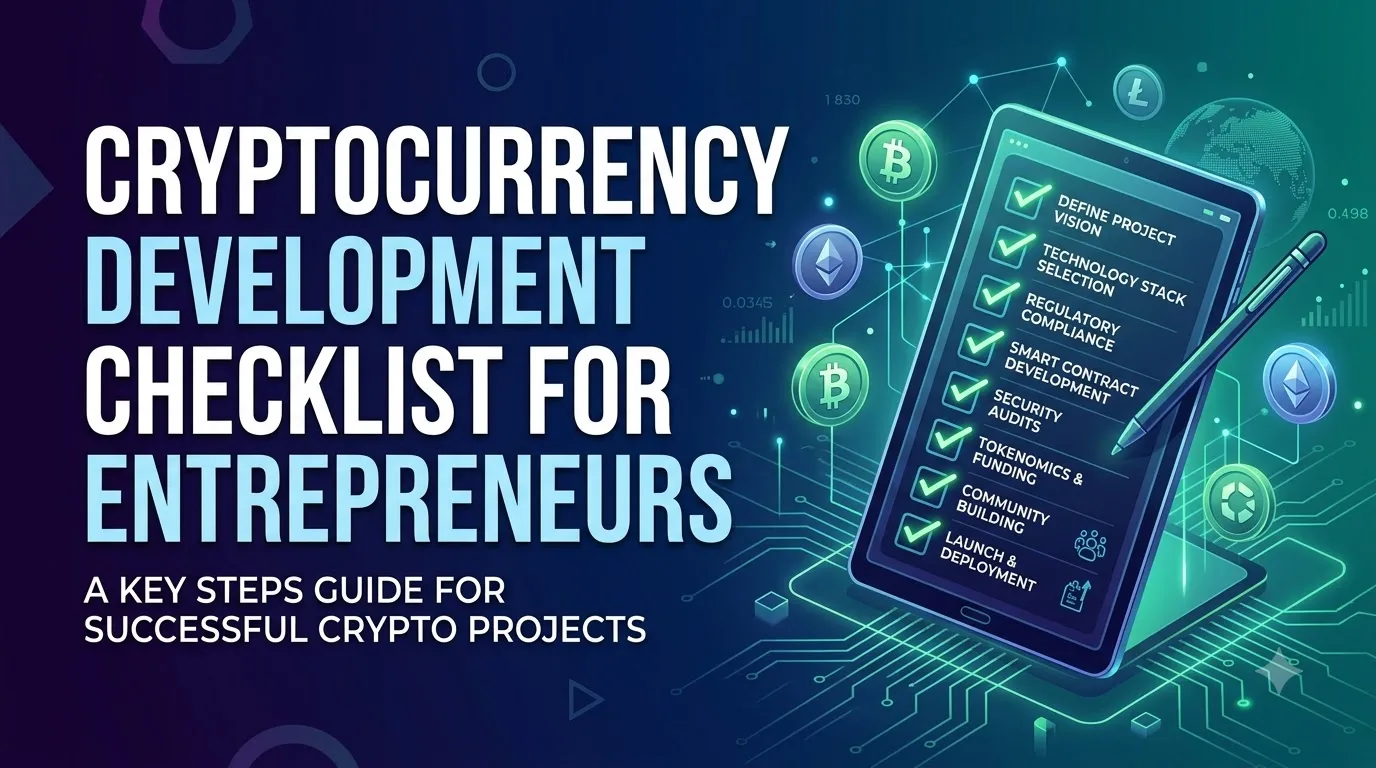
A clear development checklist helps entrepreneurs understand key stages, from blockchain selection and tokenomics design to security audits and market preparation. Companies offering crypto development services support businesses with technical expertise and blockchain solutions to build secure digital assets. This guide explains the essential steps required to develop a reliable and sustainable cryptocurrency project.
Define the Purpose and Use Case of the Cryptocurrency
Before beginning development, entrepreneurs must clearly define why their cryptocurrency should exist. Many unsuccessful projects fail because they focus on creating a token without establishing a practical purpose or solving a specific problem.
A strong cryptocurrency project starts with a clear value proposition. Entrepreneurs should identify the target audience, industry requirements, and the role the cryptocurrency will play within its ecosystem. For example, a payment-focused cryptocurrency may prioritize transaction speed and low fees, while a gaming token may focus on digital ownership, rewards, and in-game economies.
Important questions to answer during this stage include:
- What problem does the cryptocurrency solve?
- Who will use the token?
- What benefits does the token provide compared to existing solutions?
- How will users interact with the ecosystem?
Successful projects highlight the importance of clear utility. Ethereum uses ETH to power decentralized applications and smart contracts, while DeFi tokens support governance and ecosystem participation. A strong purpose guides technical decisions and token economics. Partnering with a cryptocurrency development company like Blockchain App Factory helps entrepreneurs build secure blockchain solutions through token development, smart contracts, and ecosystem planning.
Choose the Right Blockchain Network
Selecting the appropriate blockchain platform is one of the most important decisions in cryptocurrency development. Different blockchain networks offer different advantages related to speed, scalability, transaction costs, security, and community support.
Entrepreneurs should evaluate blockchain networks based on project requirements rather than popularity alone. Ethereum remains one of the most widely adopted networks because of its strong developer ecosystem and smart contract capabilities. However, high transaction fees during network congestion have encouraged projects to explore alternatives such as BNB Chain, Solana, Polygon, Avalanche, and Layer-2 solutions.
Key factors to consider include:
- Transaction speed and scalability
- Network security and reliability
- Development tools and ecosystem support
- Transaction costs
- Compatibility with wallets and exchanges
For example, a gaming cryptocurrency requiring thousands of fast transactions may benefit from a high-performance blockchain, while a financial application requiring maximum decentralization may prioritize a more established network.
Choosing the wrong blockchain can create limitations in future growth, making this decision a critical part of the development checklist.
Develop a Strong Token Economy Model
Tokenomics plays a major role in determining the long-term sustainability of a cryptocurrency project. A poorly designed token economy can create supply problems, reduce user confidence, and negatively impact adoption.
Entrepreneurs must carefully plan elements such as:
- Total token supply
- Token distribution
- Circulating supply
- Vesting schedules
- Utility functions
- Reward mechanisms
A balanced token allocation ensures that different stakeholders, including developers, investors, community members, and ecosystem participants, have aligned incentives.
For example, excessive allocation to early investors or team members without proper vesting periods can create concerns about market stability. Many successful projects use lock-up periods and gradual token releases to reduce selling pressure.
Token utility is equally important. A cryptocurrency should provide meaningful functionality within its ecosystem. Utility can include governance rights, payment access, staking rewards, transaction fees, or access to platform services.
Entrepreneurs should treat tokenomics as an economic design system rather than simply deciding the number of tokens to create.
Select the Cryptocurrency Development Approach
After defining the concept and token model, entrepreneurs need to choose the development approach. The decision usually depends on project complexity, budget, timeline, and technical requirements.
There are three common approaches:
Building a New Blockchain
Creating an independent blockchain provides maximum customization but requires significant technical expertise. Entrepreneurs must develop network architecture, consensus mechanisms, nodes, wallets, and security systems.
This approach is suitable for projects that require unique blockchain functionality or want complete control over their infrastructure.
Creating a Token on an Existing Blockchain
Many startups choose to develop tokens on established networks such as Ethereum, BNB Chain, or Solana. This approach reduces development complexity because the underlying blockchain infrastructure already exists.
Token standards such as ERC-20, BEP-20, and SPL tokens allow developers to create digital assets with established frameworks.
Using Blockchain Development Solutions
For entrepreneurs without extensive blockchain expertise, partnering with experienced developers can reduce technical challenges. Professional crypto development services provide solutions ranging from token creation and smart contract development to wallet integration and blockchain consulting.
The selected approach should match the project's goals, available resources, and long-term vision.
Create Secure Smart Contracts
Smart contracts are the foundation of most cryptocurrency ecosystems. They control token transfers, automated transactions, staking mechanisms, governance systems, and other blockchain-based operations.
However, smart contract vulnerabilities can result in significant financial losses. Several major blockchain incidents have demonstrated how coding errors can compromise millions of dollars in digital assets.
Entrepreneurs should follow strong smart contract development practices:
- Use tested blockchain frameworks
- Conduct multiple rounds of code reviews
- Perform security audits
- Implement testing environments before deployment
- Follow industry coding standards
Security audits from independent blockchain security firms help identify vulnerabilities before public launch. Testing should include functional testing, penetration testing, and performance evaluation.
A secure smart contract builds user confidence and reduces risks after deployment.
Build Essential Cryptocurrency Infrastructure
A cryptocurrency ecosystem requires more than a token contract. Entrepreneurs must consider the supporting infrastructure required for users to interact with the asset.
Important components include:
Cryptocurrency Wallet Integration
Wallet compatibility allows users to store, send, and receive tokens. Support for popular wallets improves accessibility and adoption.
Blockchain Explorer
A blockchain explorer allows users to view transactions, wallet balances, and smart contract activity. Transparency is an important factor in building trust.
Exchange Integration
Listing on cryptocurrency exchanges improves liquidity and allows users to trade the asset. Entrepreneurs should prepare technical documentation, compliance records, and market information before approaching exchanges.
User Interface Development
Web and mobile applications provide users with access to cryptocurrency features. A simple and secure interface improves user experience and encourages adoption.
Developing these components requires technical planning and ongoing maintenance.
Focus on Security and Compliance
Security and regulatory compliance are essential considerations for cryptocurrency entrepreneurs. Blockchain projects operate in a rapidly changing regulatory environment, and requirements vary across different countries.
Entrepreneurs should evaluate:
- Legal classification of the cryptocurrency
- Token sale regulations
- Know Your Customer (KYC) requirements
- Anti-Money Laundering (AML) policies
- Data protection standards
Ignoring compliance risks can lead to legal challenges and reduced investor confidence.
Security should also extend beyond smart contracts. Projects must protect wallets, private keys, user data, backend systems, and infrastructure from cyber threats.
Regular security updates and monitoring are necessary throughout the project lifecycle.
Prepare Documentation and Community Resources
Clear documentation helps users, investors, and developers understand the cryptocurrency project.
Essential documents include:
- Whitepaper
- Technical documentation
- Token distribution details
- Roadmap
- Project website
- Developer resources
A cryptocurrency whitepaper explains the project's purpose, technology, token model, and future plans. Strong documentation demonstrates transparency and helps establish credibility.
Community building is also important because cryptocurrencies depend heavily on user participation. Platforms such as Telegram, Discord, X, and Reddit allow projects to communicate updates, collect feedback, and develop user engagement.
Conduct Testing Before Launch
A cryptocurrency should undergo extensive testing before public release. Launching without proper testing can create technical problems that damage reputation and user trust.
Testing should include:
- Smart contract testing
- Network performance testing
- Wallet compatibility testing
- Transaction testing
- Security assessments
Many successful blockchain projects conduct testnet launches before moving to the main network. Testnets allow developers to identify problems and improve functionality without risking real assets.
A controlled launch process reduces technical risks and improves user confidence.
Plan Long-Term Growth and Maintenance
Launching a cryptocurrency is only the beginning. Long-term success depends on continuous development, ecosystem expansion, and community engagement.
Entrepreneurs should prepare plans for:
- Software updates
- Governance improvements
- New ecosystem features
- Security monitoring
- Partnership development
- Market expansion
Blockchain technology continues to evolve, and projects must adapt to changing user expectations and market conditions.
Working with experienced blockchain teams can help maintain technical quality after launch. Many businesses partner with companies specializing in crypto development services to manage upgrades, integrations, and ongoing blockchain improvements.
Conclusion
Building a cryptocurrency requires strategic planning, technical expertise, and continuous management. Entrepreneurs must evaluate every stage, from defining the project's purpose and selecting a blockchain network to designing token economics, developing secure smart contracts, and preparing for market adoption.
A successful cryptocurrency is not created only through technology. It requires a strong foundation, transparent ecosystem design, security-focused development, and long-term commitment. By following a structured cryptocurrency development checklist, entrepreneurs can reduce risks and create digital assets that provide meaningful value to users.
Choosing the right development approach and working with experienced blockchain professionals can help transform an idea into a functional cryptocurrency ecosystem. With proper planning and reliable crypto development services, entrepreneurs can build blockchain solutions that are secure, scalable, and prepared for future growth.