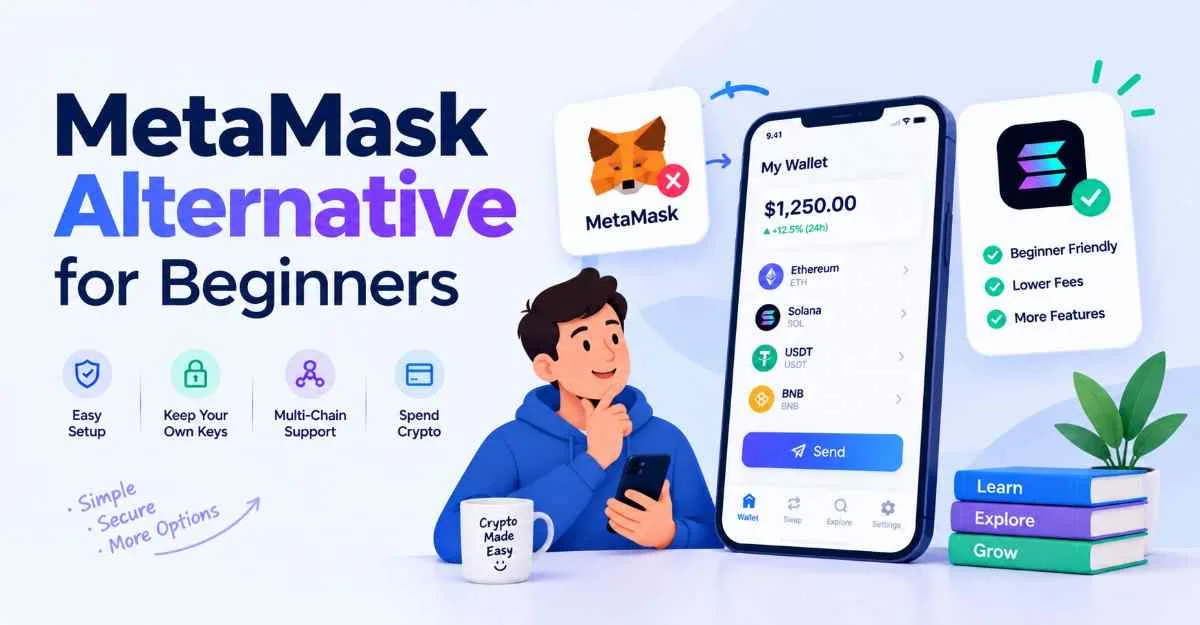

The cryptocurrency industry has evolved far beyond speculative trading. Today, blockchain projects compete not only on technology but also on trust, transparency, education, and community engagement. As regulatory scrutiny increases and investors become more discerning, crypto marketing has shifted from hype-driven campaigns to value-focused content strategies that build credibility and foster sustainable growth.
Unlike traditional industries, crypto companies must educate audiences about complex technologies while simultaneously overcoming skepticism fueled by scams, market volatility, and misinformation. Successful projects understand that content marketing is no longer an optional promotional tactic—it is a strategic asset that attracts investors, acquires users, strengthens communities, and establishes long-term brand authority.
This article explores the most effective crypto content marketing strategies, highlighting how blockchain projects can create meaningful engagement while supporting sustainable ecosystem growth.
The Changing Landscape of Crypto Marketing
The early years of cryptocurrency were dominated by aggressive promotions, influencer endorsements, and promises of extraordinary returns. Initial Coin Offerings (ICOs) frequently relied on whitepapers filled with technical jargon and ambitious projections, often without delivering tangible products.
The market has changed significantly. Institutional investors, venture capital firms, regulators, and experienced retail participants now demand transparency, measurable progress, and credible communication. According to industry reports from Chainalysis and Messari, blockchain adoption continues to expand across decentralized finance (DeFi), tokenization, gaming, and enterprise applications, but competition has intensified as thousands of projects compete for attention.
As a result, modern crypto marketing focuses on:
- Building trust before selling products.
- Educating users about blockchain technology.
- Demonstrating real-world utility.
- Maintaining transparent communication.
- Creating engaged communities rather than passive audiences.
Projects that consistently provide valuable educational content generally retain users more effectively than those relying solely on promotional campaigns.
Why Content Marketing Matters in Crypto
For crypto projects, educating the market is essential for building trust and driving adoption. A crypto marketing agency like Blockchain App Factory helps achieve this by creating strategic content that simplifies complex blockchain concepts, highlights a project's value proposition, and engages investors, developers, and users through blogs, whitepapers, technical guides, and thought leadership.
Blockchain technology remains technically challenging for many audiences. Terms such as smart contracts, decentralized autonomous organizations (DAOs), staking, zero-knowledge proofs, and Layer-2 scaling solutions can create barriers for new users.
Content bridges this knowledge gap. High-quality educational resources reduce uncertainty while helping investors understand both the opportunities and risks. When potential users clearly understand a project's purpose, they are more likely to participate, invest, and recommend it to others.
Content marketing also supports every stage of the customer journey:
- Awareness through blogs, videos, podcasts, and social media.
- Consideration through technical documentation, webinars, and case studies.
- Decision-making through product demonstrations, tokenomics explanations, and roadmap updates.
- Retention through newsletters, tutorials, governance updates, and community discussions.
Rather than treating content as isolated campaigns, successful crypto companies build comprehensive educational ecosystems that continuously nurture their audiences.
Building Trust Through Transparency
Trust remains the most valuable currency in crypto marketing.
The collapse of several high-profile exchanges, decentralized protocols, and token projects has made investors increasingly cautious. Marketing messages that exaggerate returns or rely on unrealistic promises often damage credibility.
Transparent communication should include:
- Detailed project roadmaps.
- Open development updates.
- Security audit reports.
- Token distribution explanations.
- Treasury transparency.
- Governance decisions.
- Risk disclosures.
Instead of avoiding difficult conversations during market downturns, reputable projects openly discuss challenges, explain solutions, and communicate development milestones honestly.
Ethereum's transition from Proof of Work to Proof of Stake demonstrated the importance of transparent communication. Years of developer updates, research publications, technical discussions, and community engagement helped maintain confidence throughout one of the blockchain industry's largest technological upgrades.
Transparency transforms marketing from persuasion into relationship building.
Educational Content as the Foundation of User Acquisition
Education represents one of the strongest competitive advantages in crypto.
New investors frequently search for answers before making financial decisions:
- How does staking work?
- What is a Layer-2 network?
- How secure is this protocol?
- Why does this token have value?
- What problems does the blockchain solve?
Projects that answer these questions comprehensively often become trusted information sources.
Effective educational content includes:
Beginner Guides
Simple explanations help reduce onboarding friction for first-time users. Topics such as wallet creation, private key management, blockchain basics, and token purchasing should prioritize clarity over technical complexity.
Technical Deep Dives
Experienced developers and institutional investors seek more sophisticated resources. Detailed articles discussing protocol architecture, scalability, consensus mechanisms, and security models demonstrate technical expertise.
Video Tutorials
Screen-recorded walkthroughs showing wallet setup, staking, governance participation, or decentralized application usage improve user confidence while reducing support requests.
Interactive Learning
Some projects gamify education by rewarding users with tokens or NFTs after completing learning modules or quizzes. This approach encourages engagement while increasing product familiarity.
Educational content establishes authority while simultaneously lowering barriers to adoption.
Storytelling That Connects Technology With Real-World Problems
One common mistake in crypto marketing is focusing exclusively on technology instead of outcomes.
Most users care less about cryptographic algorithms than about practical benefits.
Rather than emphasizing technical specifications alone, successful projects explain how blockchain solves genuine problems.
For example:
- Cross-border payment platforms can highlight faster and cheaper international remittances.
- Supply chain projects can demonstrate improved product traceability.
- Healthcare blockchains can explain secure patient data sharing.
- Identity solutions can illustrate user ownership of digital credentials.
- Gaming platforms can showcase true ownership of in-game assets.
Storytelling humanizes blockchain innovation by connecting abstract technology to everyday experiences.
Instead of saying, "Our Layer-2 achieves 10,000 transactions per second," marketers can explain how users avoid expensive transaction fees while completing payments within seconds.
The latter resonates far more effectively with non-technical audiences.
Community-Driven Content Creates Sustainable Growth
Crypto communities often function as decentralized marketing engines.
Unlike traditional companies that rely heavily on advertising, blockchain projects frequently benefit from community members who voluntarily create educational threads, videos, tutorials, translations, podcasts, and social media discussions.
Successful community content strategies encourage participation rather than one-way communication.
Examples include:
- Community AMAs (Ask Me Anything sessions)
- Governance discussions
- User-generated tutorials
- Ambassador programs
- Developer hackathons
- Meme competitions
- Educational contests
- Contributor spotlights
This participatory model increases authenticity because content originates from actual users rather than corporate marketing departments.
Projects such as Ethereum, Polygon, Solana, and Arbitrum have benefited enormously from active developer communities producing independent educational resources, documentation, and technical discussions that continuously expand ecosystem awareness.
Thought Leadership Builds Investor Confidence
Institutional investors increasingly evaluate management quality alongside technology.
Thought leadership content demonstrates expertise while positioning founders as credible industry voices.
Examples include:
- Research reports
- Market analysis
- Regulatory commentary
- Technical innovation articles
- Conference presentations
- Podcast interviews
- Long-form newsletters
- Industry forecasts
Rather than promoting tokens directly, thought leadership contributes meaningful insights to broader blockchain conversations.
When founders consistently publish informed perspectives on scalability, regulation, cybersecurity, tokenization, or decentralized finance, investors begin associating the project with expertise rather than speculation.
Credibility accumulated over time often proves more valuable than short-term promotional campaigns.
Data-Driven Content Strengthens Authority
Crypto audiences appreciate evidence.
Instead of making unsupported claims, marketers should incorporate measurable metrics wherever possible.
Examples include:
- Total value locked (TVL)
- Daily active wallets
- Transaction volume
- Developer activity
- GitHub contributions
- Network uptime
- Ecosystem growth
- Security audits
- Validator participation
- Protocol revenue
Visual dashboards, infographics, and quarterly ecosystem reports transform raw blockchain data into accessible insights.
Investors are far more likely to trust projects that support marketing messages with transparent, verifiable metrics.
SEO and Organic Visibility in Crypto
Organic search remains one of the highest-return acquisition channels.
Millions of users search every month for blockchain-related information, investment research, wallet comparisons, and decentralized finance tutorials.
A comprehensive SEO strategy should target multiple content layers:
- Educational keyword guides.
- Technical documentation.
- Industry comparisons.
- Frequently asked questions.
- Regulatory updates.
- Case studies.
- Glossaries.
- Product tutorials.
Because cryptocurrency terminology evolves rapidly, continuously updating existing content often delivers better long-term performance than publishing large volumes of new articles.
Projects that consistently rank for educational searches establish authority long before users make investment decisions.
Multi-Channel Distribution Maximizes Reach
Even exceptional content produces limited results without effective distribution.
Successful crypto projects adapt content for multiple platforms while maintaining consistent messaging.
A single research report may become:
- Blog articles
- LinkedIn posts
- X (formerly Twitter) threads
- Infographics
- YouTube explainers
- Podcast discussions
- Email newsletters
- Webinar presentations
- Community discussion topics
Repurposing extends content lifespan while reaching audiences with different consumption preferences.
Distribution should prioritize educational value rather than repetitive promotion.
Measuring Content Marketing Success
Crypto marketing extends beyond website traffic or social media followers.
Meaningful performance indicators include:
- Wallet registrations
- Active users
- Community engagement
- Governance participation
- Developer adoption
- Newsletter subscriptions
- Documentation usage
- Token holder retention
- Customer acquisition cost
- Organic search growth
- Brand mentions
- User education completion rates
Projects should also monitor qualitative metrics, including community sentiment, user feedback, and developer satisfaction.
Long-term success depends not merely on attracting attention but on cultivating active ecosystem participants.
Common Mistakes That Undermine Crypto Content Marketing
Many blockchain projects continue to repeat avoidable marketing errors.
The most damaging include:
- Overpromising future returns instead of emphasizing utility.
- Publishing overly technical content without considering beginners.
- Neglecting transparency during market volatility.
- Prioritizing token price discussions over product development.
- Producing inconsistent communication across channels.
- Ignoring regulatory compliance in marketing materials.
- Failing to update outdated documentation.
Another frequent mistake is focusing exclusively on investors while overlooking developers, partners, validators, and everyday users. Sustainable blockchain ecosystems require multiple stakeholder groups, each with distinct information needs.
Conclusion
In an increasingly competitive blockchain ecosystem, successful crypto marketing is built on trust, education, transparency, and meaningful community engagement rather than short-term hype. By combining high-quality content with strategic distribution and data-driven insights, crypto projects can attract investors, acquire loyal users, and achieve sustainable long-term growth. As a leading crypto marketing agency, Blockchain App Factory provides end-to-end crypto marketing services, helping blockchain startups and established Web3 businesses strengthen their brand presence, educate their audience, expand their communities, and accelerate adoption through customized, results-driven marketing strategies.