
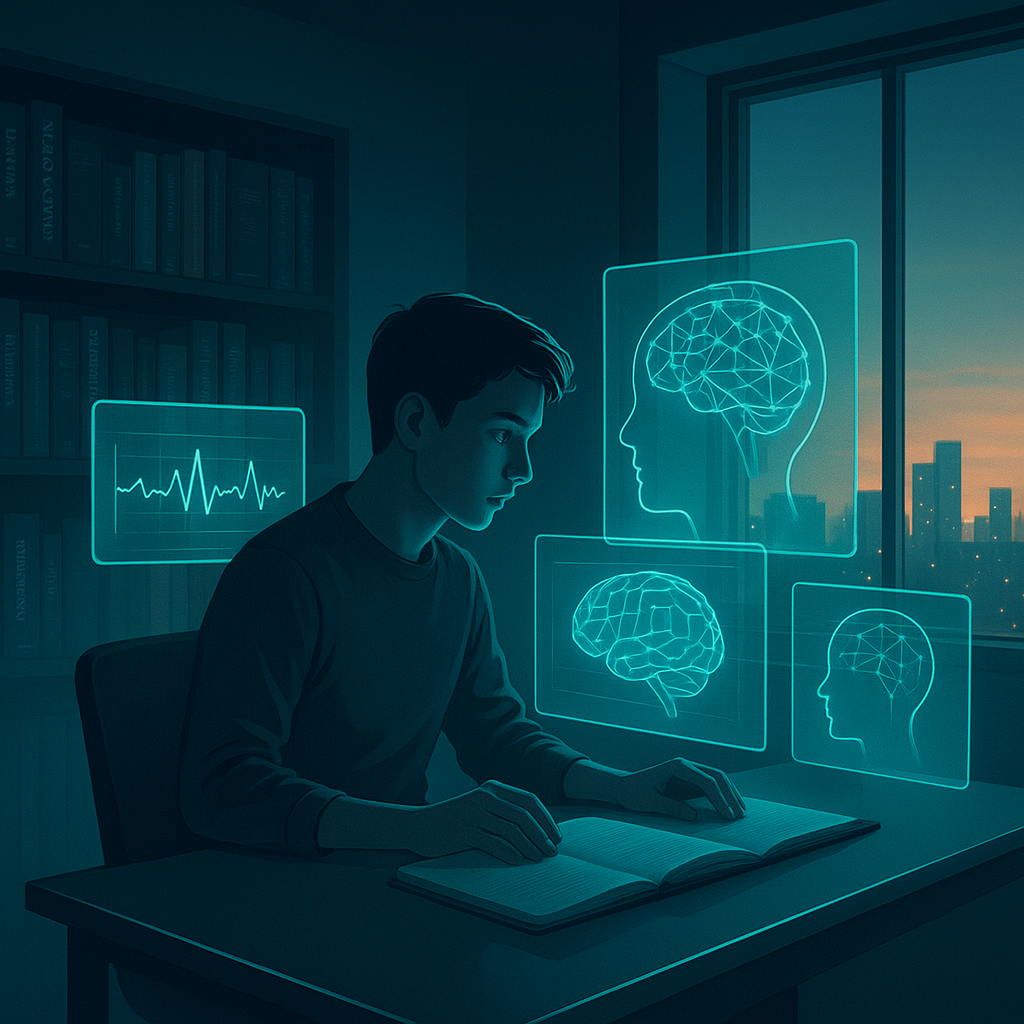
Rethinking Study: The Cognitive Science Breakthrough
Imagine a university lecture hall in 2026 where students no longer rely on rote memorization or passive note-taking. Instead, they engage actively with materials, leveraging strategies rooted in cognitive science. This shift is not merely anecdotal; recent meta-analyses of learning efficacy reveal that traditional study habits like rereading and highlighting often rank among the least effective. According to a 2025 survey by the National Educational Research Association, only 12% of students reported finding such methods beneficial over the long term. This data underscores an urgent need to integrate evidence-based study techniques that align with how the brain processes, encodes, and retrieves information.
Understanding the brain’s mechanisms for learning helps combat the widespread inefficiency in study practices. For example, studies on spaced repetition show a 60% improvement in retention compared to cramming, especially when combined with retrieval practice — actively recalling information rather than passively reviewing it. These findings have inspired a new wave of students and educators to rethink study strategies, moving beyond outdated habits toward methods scientifically proven to enhance memory and understanding.
“The key to effective learning is not how much time you spend, but how strategically you engage with the material,” explains Dr. Helen Verma, a leading cognitive psychologist at the University of Toronto.
From Past to Present: The Evolution of Study Habits
Historically, education systems emphasized repetition and memorization, reflecting models from the 19th and early 20th centuries. However, as cognitive psychology matured in the late 20th century, researchers like John Anderson and Robert Bjork began challenging these paradigms. They introduced concepts such as desirable difficulties and metacognition, which emphasize the importance of effortful retrieval and self-awareness during learning.
By the early 2020s, digital tools began transforming how students accessed information. Yet, many persisted with ineffective habits, often exacerbated by distractions inherent in online environments. The pandemic era accelerated the adoption of hybrid and remote learning, highlighting the need for adaptable, research-backed study strategies. In response, educational technology companies in Silicon Valley and beyond started integrating cognitive science principles into their platforms.
Today, the landscape has shifted dramatically. Platforms like CerebralLearn and MindMap360, which incorporate spaced repetition algorithms and instant feedback loops, have millions of active users. These tools represent the culmination of decades of research, applied in real-world contexts to improve learning outcomes. This evolution signals a broader trend: education is increasingly data-driven, personalized, and neuroscience-informed.
Data-Driven Insights: What Research Reveals About Study Efficacy
Concrete data from large-scale educational studies highlights which study methods yield the highest returns on investment. A landmark 2024 study published in the Journal of Educational Psychology analyzed over 5,000 learners across age groups and disciplines. The findings were striking:
- Spaced Repetition: Learners who spaced their study sessions over weeks retained 70% more information after three months compared to those who crammed.
- Retrieval Practice: Active recall exercises, such as self-quizzing, improved exam scores by an average of 15% over passive review.
- Interleaving: Mixing different subjects or problem types within a study session enhanced problem-solving abilities by 20%.
- Elaborative Interrogation: Asking “why” questions during study improved comprehension and transfer of knowledge.
- Dual Coding: Combining verbal and visual materials led to 30% better retention than verbal-only methods.
Despite robust evidence, many students still rely on highlighting or rereading, which yielded only marginal gains of 5–10%. These disparities illustrate the gap between research and practice. Educational institutions and tutors now face the challenge of disseminating this knowledge widely and effectively.
“Students often underestimate the power of retrieval practice, yet it is one of the most potent tools in their arsenal,” notes Dr. Samuel Lee, cognitive neuroscientist at Stanford University.
2026 Advancements: Integrating AI and Personalized Learning in Study Techniques
The year 2026 marks a pivotal moment as artificial intelligence (AI) and machine learning profoundly reshape study habits. Adaptive learning platforms now analyze students’ performance in real time, tailoring content difficulty and recommending optimal study intervals based on individual forgetting curves. Companies like NeuroLearn and StudySphere have pioneered AI tutors that simulate human-like feedback, promoting metacognitive awareness and motivation.
Moreover, virtual reality (VR) environments enable immersive learning experiences, particularly beneficial for complex subjects such as anatomy or engineering. Research from the MIT Learning Lab shows that VR-enhanced study can improve spatial memory by 40%, compared to textbook study alone. The integration of biometric sensors measuring attention and stress levels allows AI systems to adjust pacing and suggest breaks, optimizing cognitive load management.
These technological strides align with emerging study habits that emphasize holistic engagement — combining cognitive, emotional, and physical elements. The pandemic-inspired rise of asynchronous learning has further accelerated the adoption of such tools, enabling learners globally to access science-backed study methods anytime, anywhere.
- AI-driven spaced repetition schedules personalized per learner
- VR simulations for experiential study sessions
- Biometric monitoring to prevent burnout and enhance focus
- Gamification features reinforcing retrieval and application
- Collaborative platforms facilitating peer-to-peer retrieval practice
As this integration deepens, educators and students must remain vigilant to maintain equity, privacy, and accessibility in educational technologies.
Expert Strategies: Translating Science into Everyday Study Routines
Leading educators advocate for the practical application of cognitive science principles in daily study routines. Dr. Maria Chen, a prominent education consultant, emphasizes the importance of planning and reflection. She advises students to design study schedules incorporating spaced reviews and frequent self-testing. Additionally, Chen recommends interleaving topics within a single session to strengthen discrimination skills and promote flexible thinking.
Experts also highlight the role of metacognition — thinking about one’s own thinking. Techniques such as journaling study experiences and evaluating comprehension can significantly enhance learning outcomes. These strategies foster learner autonomy, empowering students to adapt approaches based on real-time feedback.
Furthermore, environmental factors remain critical. Minimizing distractions, optimizing lighting, and incorporating physical movement during breaks contribute to sustained attention and memory consolidation. The increasing popularity of apps like FocusPulse and BrainWave, which use binaural beats and mindfulness prompts, reflects this holistic approach.
- Schedule study sessions with built-in spaced intervals
- Use flashcards or apps for regular retrieval practice
- Mix different subject areas within study blocks
- Reflect on learning progress through journaling or self-assessment
- Create a distraction-free, comfortable study environment
These actionable tactics bridge the gap between theory and practice, helping learners internalize effective habits. For a deeper dive into foundational techniques, readers can explore Unlocking Effective Study Habits: Proven Tips for Beginners to Excel and Mastering Study Strategies: Proven Techniques Backed by Science and Technology.
Looking Ahead: The Future of Study Techniques and Learning Success
As we look beyond 2026, the trajectory of study techniques points toward even greater personalization and integration with cognitive neuroscience. Emerging research into brain plasticity and neurofeedback promises tailored interventions that adapt not only to knowledge gaps but also to neural states. Additionally, the democratization of education via open-access AI tutors could reduce disparities in learning outcomes worldwide.
However, challenges remain. The ethical use of data, digital equity, and the potential overreliance on technology necessitate careful policy and pedagogical considerations. Educators must balance innovation with foundational pedagogical principles to ensure sustainable learning ecosystems.
Ultimately, the future lies in empowering learners to become self-directed, resilient, and reflective. By embracing techniques grounded in cognitive science and leveraging technological advances prudently, students can unlock their full potential.
“The best study method is the one that adapts to you — your brain, your habits, your goals,” concludes Dr. Verma.
For ongoing insights into adaptive study trends, readers may refer to 2026 Trends in Study Tips: Unlocking Smarter Learning for Success and Unlocking Learning: Emerging Study Habits Shaping 2026 Success.