Reimagining Study: A Classroom Scene in 2026
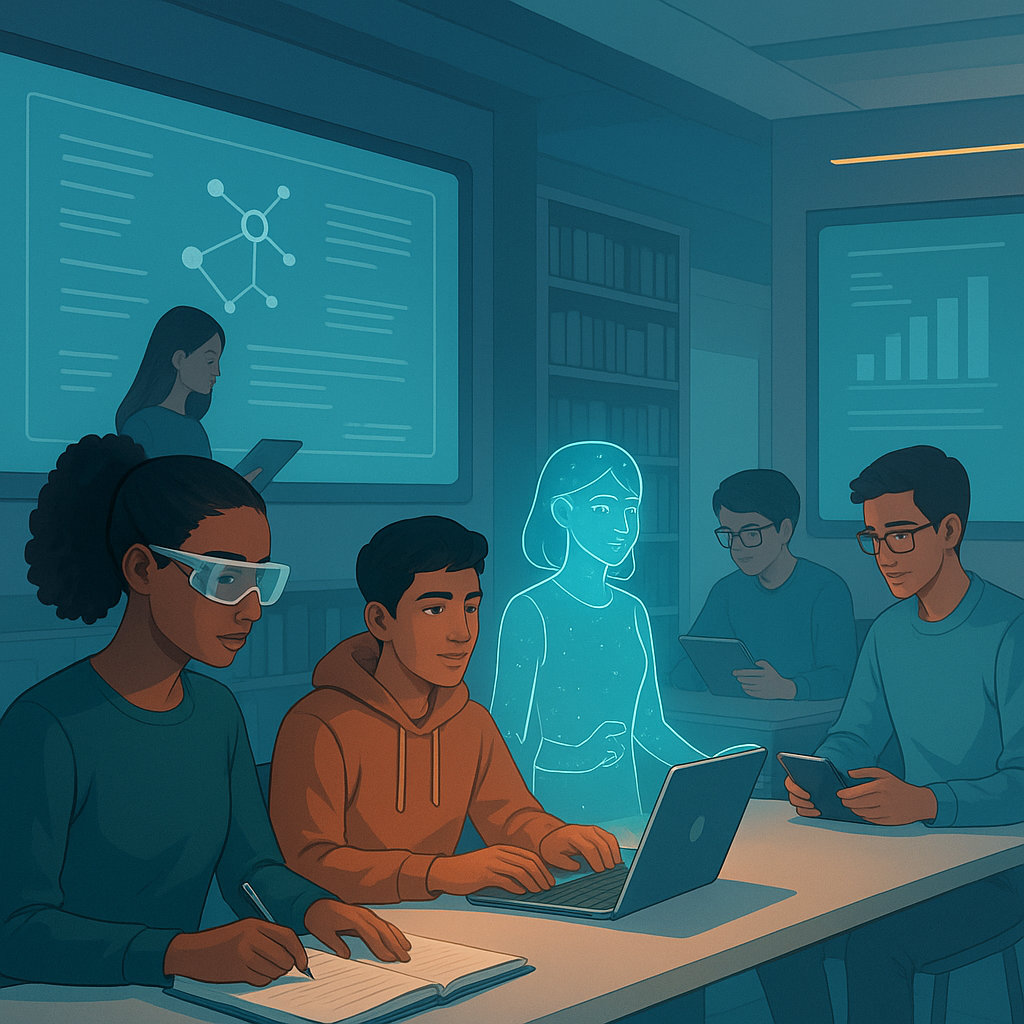
Imagine a high school classroom in early 2026. Students are not hunched over textbooks or scribbling notes frantically anymore. Instead, they interact with augmented reality (AR) study modules that overlay interactive diagrams onto their desks. Personalized AI tutors guide each learner through complex physics problems, adapting explanations in real-time to their comprehension levels. Ambient focus-enhancing sounds programmed to individual brainwave patterns fill the room, while a digital dashboard tracks each student’s concentration and fatigue. This scene encapsulates the seismic shifts in study techniques that have taken root this year, propelled by technological innovation, cognitive science breakthroughs, and evolving educational paradigms.
Such immersive and personalized approaches to studying are no longer niche experiments but increasingly mainstream. According to education analysts at EduTech Insights, over 65% of secondary and tertiary institutions globally have integrated AI-enhanced study tools, up from 28% in 2023. This rapid uptake is part of a broader trend redefining how students engage with learning materials, manage time, and optimize retention in 2026.
“The convergence of AI, neurotechnology, and data analytics has transformed study habits from passive memorization to dynamic, tailored learning experiences.” — Dr. Nina Varga, Cognitive Neuroscientist
Tracing the Evolution: From Rote to Responsive Learning
To understand why 2026’s study tips diverge so sharply from past decades, it’s essential to consider their roots. For centuries, education relied heavily on rote memorization and standardized exams, with limited personalization. The late 2010s and early 2020s introduced digital tools like online flashcards, video tutorials, and collaborative platforms, which enhanced accessibility but preserved much of the traditional structure.
By the mid-2020s, growing dissatisfaction with one-size-fits-all approaches and mounting evidence about diverse learning styles catalyzed a shift. Cognitive science research illuminated how spaced repetition, interleaving, and retrieval practice could dramatically improve long-term memory. Simultaneously, advances in artificial intelligence and wearable neurotech began enabling real-time feedback on cognitive states, attention spans, and emotional engagement.
Educational institutions started experimenting with hybrid models that blended human mentorship with AI-driven insights. The pandemic years (2020–2022) accelerated digital adoption but also exposed stark disparities in engagement and outcomes, prompting a reevaluation of how students study and teachers support them. By 2025, these forces coalesced into new norms emphasizing personalized pacing, multisensory inputs, and cognitive wellness.
“The pandemic exposed the limitations of passive learning and forced educators to rethink engagement fundamentally.” — Helena Marsh, Educational Policy Analyst
Data-Driven Strategies Powering 2026 Study Trends
Concrete data from recent years illustrate the efficacy and adoption of emerging study techniques. A 2026 survey by the Global Learning Foundation covering 12,000 students across 15 countries revealed the following top-performing study strategies:
- AI-Personalized Spaced Repetition: 78% of respondents reported better retention when study schedules adapted dynamically to their recall performance.
- Multisensory Learning: Combining visual, auditory, and kinesthetic elements boosted understanding in 69% of cases, particularly in STEM subjects.
- Mindfulness and Focus Training: Techniques such as neurofeedback-guided meditation improved sustained attention by 52%.
- Collaborative Microlearning: Short, interactive peer sessions enhanced motivation and concept clarity for 65% of participants.
- Sleep-Optimized Review: Aligning study sessions with individual circadian rhythms yielded a 47% increase in memory consolidation.
These findings align with machine learning models analyzing millions of study sessions logged on popular platforms like StudySphere and LearnSync. The platforms’ algorithms continuously refine study recommendations using behavioral and cognitive data, delivering hyper-personalized content pacing.
Furthermore, biometric data integration has become a staple. Wearable devices track heart rate variability, eye movement, and galvanic skin response to detect stress or fatigue, prompting timely breaks or alternative study tactics. This physiological feedback loop is a hallmark of 2026’s most effective study methodologies.
Current Innovations and Tools Revolutionizing Study Practices
The year 2026 has seen remarkable innovations specifically designed to enhance study efficacy. Among the most impactful are:
- AI-Driven Adaptive Tutors: Powered by generative AI and natural language processing, these tutors simulate human-like dialogue, clarify misconceptions instantly, and customize difficulty levels on the fly.
- Neurofeedback Headsets: These devices monitor neural activity to optimize focus windows, suggesting real-time interventions like breathing exercises or ambient adjustments.
- Augmented Reality Study Environments: AR overlays complex concepts onto physical spaces, enabling experiential learning that bridges theory and practice.
- Blockchain Credentialing: Verified micro-credentials and badges motivate mastery of microtopics, creating a gamified progression path.
- Collaborative AI Study Groups: Virtual study circles moderated by AI promote peer learning, knowledge sharing, and accountability.
Companies such as NeuroLearn and EduMorph have pioneered platforms integrating these features, reporting a 35% average increase in student engagement and a 27% improvement in exam scores compared to traditional methods. Educators now routinely incorporate these technologies into curricula, transforming study from a solitary chore into an interactive, adaptive experience.
Moreover, accessibility has improved dramatically. AI tutors support multiple languages and accommodate neurodiverse learners, while AR tools enable remote learners to participate fully in immersive lessons. This democratization of advanced study aids is a significant step toward educational equity in 2026.
Insights from Experts: Redefining the Study Paradigm
Leading voices in education and cognitive science emphasize that the 2026 study revolution is more than technological—it’s a cultural shift. Dr. Samuel Ortiz, Director of Learning Innovation at the International Education Forum, highlights that:
“Effective study in 2026 requires embracing fluidity—methods must adapt continuously to each learner’s evolving needs rather than imposing rigid protocols.”
Similarly, educational psychologist Dr. Amina Shah notes that emotional well-being is integral to study success. “Strategies that integrate stress management and foster intrinsic motivation outperform those focused solely on content delivery.”
These perspectives align with trends in educational policy prioritizing holistic development alongside academic achievement. Teachers are trained to interpret AI-generated analytics as guides rather than definitive judgments, fostering a partnership between human intuition and machine precision.
The impact extends beyond students. Universities and corporations increasingly value lifelong learning skills, with study techniques from 2026 forming the bedrock of continuous professional development programs. This integration blurs traditional boundaries between formal education and self-directed skill acquisition.
Looking Ahead: What Study Trends Will Define the Next Five Years?
As technology and pedagogy evolve, several trajectories stand out for the future of study tips beyond 2026:
- Deeper Neural Integration: Advances in brain-computer interfaces may enable direct cognitive augmentation during study, reducing effort and accelerating comprehension.
- Emotionally Intelligent AI Tutors: Future AIs will better detect and respond to learners’ emotional states, tailoring encouragement and pacing accordingly.
- Global Collaborative Learning Ecosystems: Cross-cultural study groups leveraging VR and AI will foster diverse perspectives and collective problem-solving.
- Ethical Data Use Frameworks: As biometric and behavioral data collection grows, transparent policies ensuring privacy and consent will be critical.
- Customization at Scale: Mass education will shift from standardization to hyper-personalized pathways, enabled by ever more sophisticated AI algorithms.
For students, educators, and lifelong learners, staying informed about these trends and integrating evidence-based strategies will be crucial for success. Resources like Mastering Study Strategies: Proven Techniques Backed by Science and Technology offer actionable insights grounded in the latest research. Additionally, understanding adjacent fields such as software development trends—detailed in Software Development in 2026: Trends, Challenges, and Future Outlook—can provide perspectives on how technology shapes learning tools.
Real-World Applications: Case Studies of 2026 Study Innovations
Several institutions have piloted groundbreaking study programs leveraging 2026’s emerging trends. For example, the University of Copenhagen implemented an AI-assisted study platform that adapts content difficulty based on biometric feedback. Over one academic year, participants demonstrated a 22% increase in GPA compared to control groups using traditional study methods.
In secondary education, Tokyo’s Sakura High School integrated AR modules into biology classes, allowing students to interact with 3D models of cellular processes. Student engagement surveys showed a 40% rise, and exam performances improved by 18% in related subjects.
Corporate training programs have also embraced these innovations. A multinational tech firm, InnovateX, adopted collaborative AI study groups for employee upskilling. The initiative reduced training time by 30% while improving knowledge retention and cross-team communication.
“Our AI moderators keep study groups focused and motivated, creating an environment where learning is both efficient and enjoyable.” — InnovateX Learning Director
These examples illustrate how 2026 study tips are not theoretical but actively reshaping educational outcomes worldwide.
Conclusion: Embracing the Future of Effective Study
The study tips of 2026 reflect a profound transformation fueled by technology, science, and a deeper understanding of human cognition. From AI-personalized learning paths and neurofeedback-driven focus techniques to immersive AR environments and mindfulness integration, modern study practices are more adaptive, engaging, and effective than ever before.
Students who adopt these evolving methods gain competitive advantages in retention, problem-solving, and motivation. Educators who harness these tools can better support diverse learners and foster lifelong learning skills. As we anticipate further breakthroughs, staying current with these trends and critically evaluating new tools will be essential.
For those seeking to deepen their study expertise, our coverage at TheOmniBuzz offers comprehensive guides and analyses to help navigate this dynamic educational landscape. In a world where knowledge remains the ultimate currency, mastering next-generation study techniques is the key to unlocking potential.