Healthcare has become increasingly digital, but having more data does not always make healthcare easier. Hospitals and healthcare providers collect information from patient records, laboratory systems, diagnostic tools, medical devices, and digital applications every day. The challenge is making sense of all that information when it is spread across different systems.
This is where a Clinical Healthcare Intelligence System can make a real difference. Instead of treating healthcare data as information that is simply stored and retrieved, clinical intelligence focuses on making that data easier to understand and use.
What Is a Clinical Healthcare Intelligence System?
A Clinical Healthcare Intelligence System is a digital solution that brings clinical information together and helps healthcare teams make better use of it. It can collect data from different healthcare systems, organize it, analyze it, and present relevant information in a more understandable way.
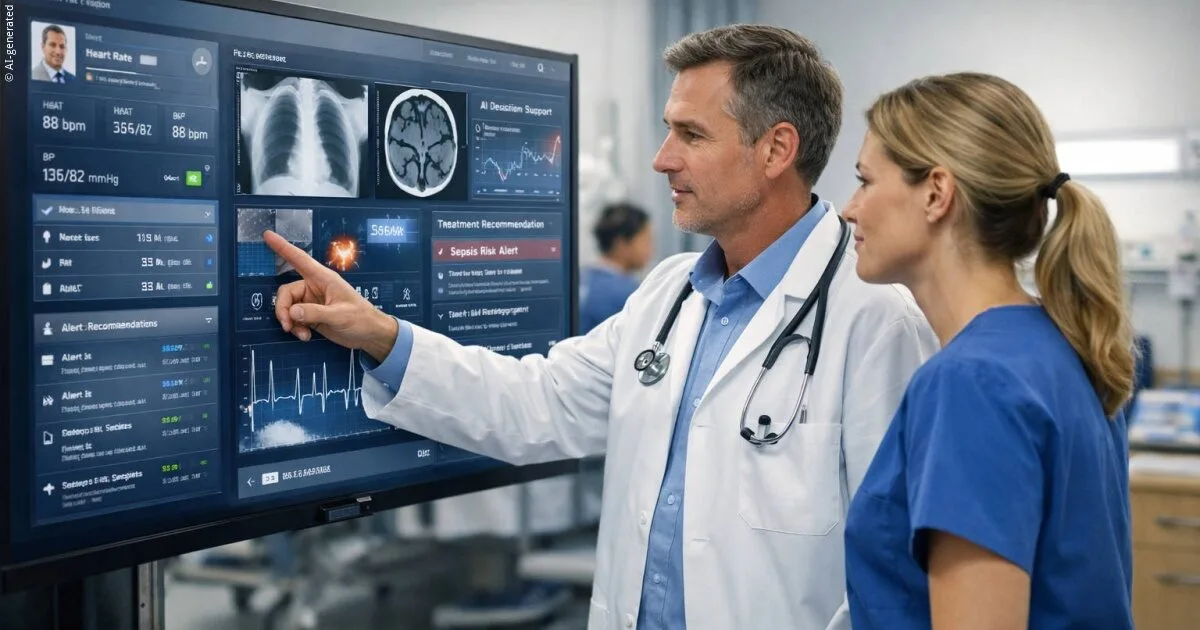
Think about a doctor reviewing a patient's history. The information they need might be available in several places, including previous consultation notes, laboratory reports, medication records, and diagnostic results. Finding and reviewing everything manually can take time.
A clinical intelligence system can bring relevant information into a more structured view, helping healthcare professionals spend less time searching for information and more time focusing on their work.
How Does It Work?
The process starts with collecting information from the healthcare systems already being used by an organization. Depending on the setup, this could include electronic health records, laboratory systems, medical applications, diagnostic platforms, or connected devices.
The information can then be integrated and organized so that different data sources can work together. Healthcare interoperability standards such as HL7 and FHIR can be important when connecting different healthcare applications.
Once the data is organized, analytics and artificial intelligence can be applied where appropriate. These technologies can help identify patterns, summarize information, monitor trends, and bring important details to the attention of healthcare teams.
The final step is presenting the information in a useful format. This might be a dashboard, patient summary, report, notification, or another interface that fits the organization's workflow.
A Simple Real-World Example
Consider a hospital where a patient has visited several departments over the past few years. Their information may include previous diagnoses, laboratory results, prescriptions, imaging reports, and consultation notes.
A doctor may need to review several records before getting a complete picture of the patient's history.
With clinical intelligence, relevant information can be brought together into a structured view. The doctor may be able to see important patient information, recent results, medication history, and other available clinical data without manually searching through multiple systems.
This does not mean that technology makes the medical decision. Instead, it gives the healthcare professional better access to the information they need to make that decision.
Why Is Clinical Intelligence Important?
The value of clinical intelligence goes beyond convenience. Healthcare teams deal with large amounts of information every day, and inefficient data management can create unnecessary work.
A well-designed intelligence system can help improve data accessibility and reduce repetitive information-handling tasks. It can also give hospitals better visibility into clinical and operational trends.
For example, healthcare organizations can use analytics to understand patient volumes, monitor specific trends, identify workflow challenges, and evaluate how different processes are performing.
AI can add another layer of support by helping process large amounts of information. However, AI should be implemented carefully, particularly when dealing with sensitive clinical data. Human oversight, security, privacy, accuracy, and appropriate governance remain essential.
Building a Smarter Healthcare Environment
Developing clinical intelligence is not simply about adding AI to an existing healthcare application. The technology needs to fit into real clinical workflows.
Organizations need to consider where their data currently lives, how different systems communicate, who needs access to specific information, and what security requirements apply.
A thoughtful approach can help organizations introduce intelligence capabilities gradually. They might begin with one specific use case, such as patient data summarization or clinical analytics, and expand the platform as their needs become clearer.
ApplogiQ can support organizations looking to explore modern digital approaches for healthcare data, AI, analytics, and intelligent software solutions.
Looking Ahead
Healthcare data will continue to grow as more organizations adopt electronic records, connected devices, digital health platforms, and AI technologies. The challenge will not simply be collecting more information. It will be making that information useful.
A Clinical Healthcare Intelligence System can help create a bridge between raw clinical data and meaningful insights. When designed around real healthcare workflows, it can help professionals access information more efficiently while giving organizations better visibility into their operations.
ApplogiQ approaches healthcare technology with a focus on building practical digital solutions that connect data, technology, and business requirements.
Ultimately, clinical intelligence is about making healthcare information easier to access, understand, and use. When the right information reaches the right person at the right time, technology can become a practical part of a more connected and efficient healthcare experience.