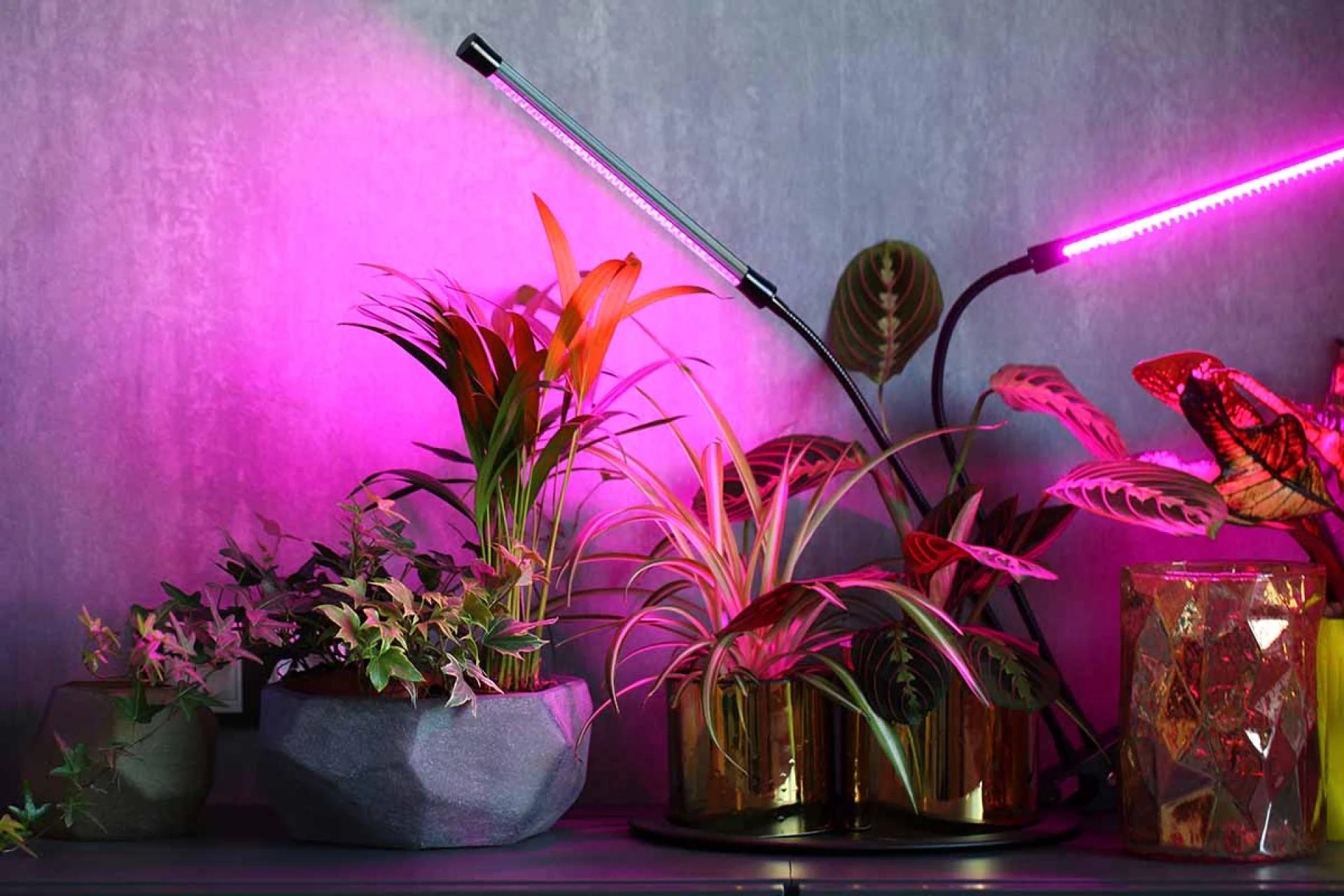
As indoor gardening continues to grow in popularity, so does the demand for efficient, plant-friendly lighting. Whether you're growing herbs in your kitchen or cultivating a full indoor grow space, one question always comes up: What are the best LED grow lights?
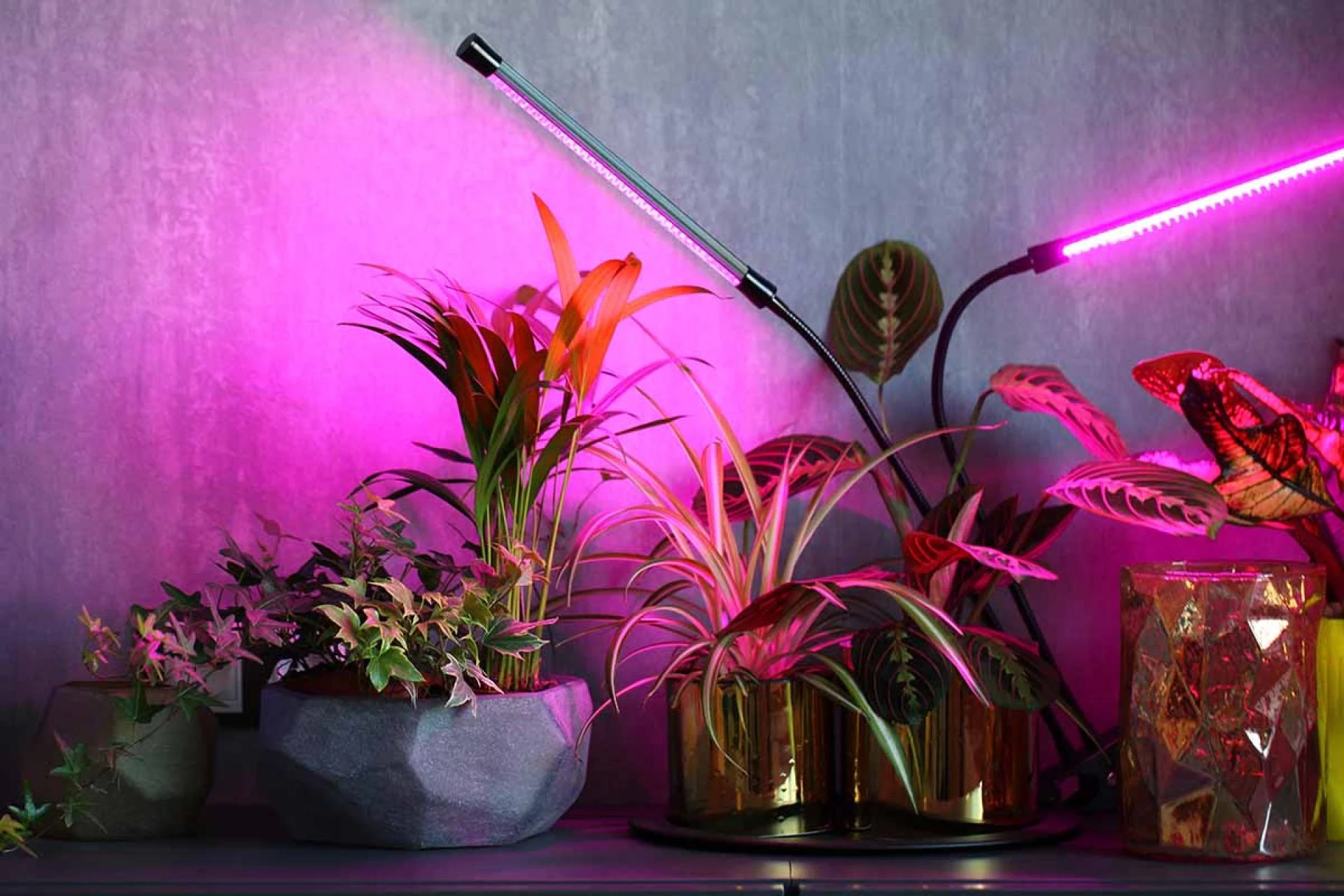
In this post, we’ll explore what makes the best LED grow lights stand out, how to choose the right one for your needs, and tips for maximizing your indoor plant growth.
Why LED Grow Lights Are the Go-To Choice
LED technology has changed the game in indoor gardening. The best LED grow lights offer high energy efficiency, a targeted light spectrum, low heat output, and long-lasting durability—all while being more environmentally friendly than older options like HID or fluorescent lights.
Compared to traditional lighting, the best LED grow lights consume less power, meaning lower electricity bills and less need for cooling systems. Plus, they emit light tailored to your plants’ needs, which supports healthier growth and better yields.
Key Features of the Best LED Grow Lights
Not all grow lights are created equal. Here’s what separates the best LED grow lights from the rest:
Full-Spectrum Light Output
Plants need different wavelengths at different stages of growth. The best LED grow lights provide a full-spectrum output, including red, blue, and sometimes far-red or UV light, mimicking natural sunlight to support every stage—from seedlings to flowering.
High PPFD (Photosynthetic Photon Flux Density)
PPFD measures how much usable light reaches your plant canopy. The higher the PPFD (without burning your plants), the better the light. The best LED grow lights balance intensity with safety, offering strong coverage without hotspots.
Efficiency (µmol/J)
Look for high efficiency ratings. The best LED grow lights often boast values above 2.0 µmol/J, which means more light per watt—translating into better plant growth and lower power consumption.
Cooling & Heat Management
Good heat dissipation is crucial. Quality lights use passive or active cooling to keep temperatures stable and protect both your plants and the lights themselves. Less heat also means your grow room stays in an optimal range.
Coverage Area
The best LED grow lights clearly indicate their effective coverage area. Whether you're growing in a 2x2 tent or a large commercial setup, selecting a light that matches your footprint ensures even growth.
Choosing the Right Light for Your Grow
When shopping for the best LED grow lights, consider the following:
- Plant Type: Leafy greens, flowering plants, and fruit-bearing crops all have different needs.
- Grow Space Size: Match the light to your square footage.
- Growth Stage: Some lights offer veg/bloom switches or adjustable spectrums for targeted phases.
- Budget: Quality lights are an investment—but the best LED grow lights pay off in the long run through efficiency and yields.
Tips for Maximizing Your LED Grow Light Setup
To get the most out of your grow lights:
- Position lights at the recommended height (adjust as plants grow).
- Keep an eye on temperature and humidity—LEDs reduce heat, but ventilation is still key.
- Use reflective walls or grow tents to enhance light distribution.
- Stick to consistent lighting schedules using a timer—typically 18/6 for veg, 12/12 for flowering.
Final Thoughts
The best LED grow lights are more than just a light source—they’re a critical tool for successful indoor gardening. By choosing high-quality lighting that fits your space and plant needs, you create the ideal environment for healthy, thriving plants all year round.
Whether you’re a hobby grower or a commercial cultivator, investing in the best LED grow lights can mean the difference between average results and outstanding harvests.
FAQs
Q1: Are LED grow lights worth the investment?
Yes, the best LED grow lights are energy-efficient, long-lasting, and provide excellent results for indoor growers.
Q2: Can I use any LED light for growing plants?
No. Only LED lights designed for growing offer the correct light spectrum and intensity for plant health.
Q3: How far should LED grow lights be from plants?
It depends on the model, but typically 12–24 inches above the canopy. Check the manufacturer’s guidelines for best results.