
Every founder planning a marketplace eventually lands on the same search: which multi-vendor ecommerce software is the best one to build with. What they usually get back is a spreadsheet in disguise — Yo!Kart against Arcadier against CS-Cart, feature checkboxes down the side, pricing at the bottom. None of it is wrong. But it answers a narrower question than the one that actually matters, and most founders don't realize the gap until they're three months into a build that doesn't fit their business.
Why Founders Get Stuck Comparing Tools Instead of Models
The real decision isn't which platform has more features. It's whether the founder's business model — B2C, B2B, or service-based — matches what any given platform was built to handle in the first place.
A tool comparison treats every marketplace as interchangeable. It isn't. A platform selling handmade jewelry from independent sellers has almost nothing in common, operationally, with a B2B marketplace running bulk orders and multi-tier approvals. Yet founders often shop for software before they've written down which one they're building. That order gets things backwards, and it's the single biggest reason marketplace builds run over budget or stall after launch.
What a Multi-Vendor Ecommerce Software Solution Actually Has to Handle
Beyond storefronts and checkout, the software has to manage vendor identity, payouts, and dispute rules — the operational backbone that most comparison articles skip past entirely.
Vendor Onboarding and KYC
Every seller who joins the platform needs to be verified before their first listing goes live — identity checks, tax details, sometimes bank account confirmation. Skip this step or bolt it on later, and a founder ends up manually vetting vendors through email threads, which does not scale past a few dozen sellers.
Commission Structures and Payout Timing
Commission logic sounds simple until it isn't. Flat-rate cuts work fine for a small catalog. Tiered commissions by category, volume-based discounts for high-performing vendors, and split payouts across multiple sellers on a single order all require the platform to handle math that a basic shopping cart was never designed for.
Is Ready-Made or Custom Development the Right Starting Point?
For most first-time marketplace founders, ready-made software is the more sensible starting point — it launches in weeks instead of months and lets the business validate demand before committing to custom-built infrastructure.
Custom development from the ground up commonly runs six months to over a year once requirement analysis, design, backend work, and QA are all accounted for, according to a cost breakdown from a UK-focused marketplace advisory. Ready-made software, by contrast, gives a founder the core vendor, catalog, and payment logic already built, so the early weeks go toward onboarding vendors and testing the market instead of waiting on developers.
That doesn't mean ready-made is always right. A founder with a genuinely unusual operating model — say, a B2B platform with corporate account hierarchies and custom approval chains — will eventually outgrow an off-the-shelf template. But "eventually" is doing a lot of work in that sentence. Most marketplaces don't reach that ceiling in year one, and building for a scale problem that hasn't shown up yet is how budgets disappear before there's traction to show for it. Some teams — for instance, India-based studios like Originate Soft, which builds both ready-made and custom multi-vendor ecommerce software solutions — let founders start on the ready-made path and move to custom development only once the vendor base and order volume justify it.
How the Business Model Changes the Software Decision
A B2C marketplace, a B2B platform, and a service marketplace each need different things from the underlying software, and no single feature list captures all three well.
B2C vs B2B vs Service Marketplaces
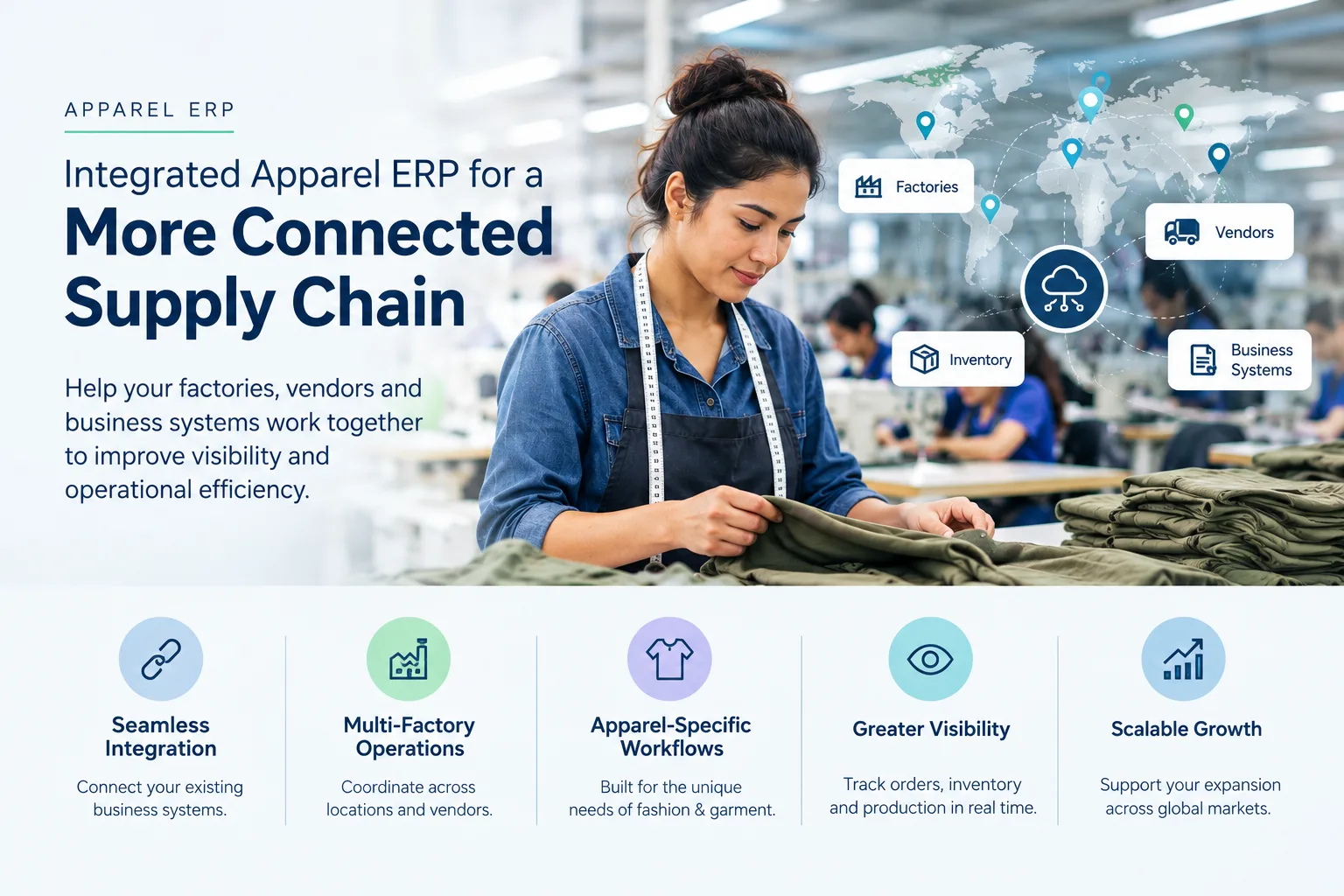
B2C marketplaces live or die on browsing experience — search, filters, checkout speed. A fashion or lifestyle marketplace, for example, needs variant handling (size, colour, style) and returns workflows built into the vendor flow, which is part of why multi-vendor apparel marketplace builds look structurally different from a general classifieds-style storefront.
B2B marketplaces run on a different logic entirely: corporate accounts, bulk pricing tiers, purchase approval chains, and recurring reorder flows matter more than browsing polish. A platform comparison from CS-Cart notes that B2B or heavily customized marketplaces simply take longer to plan and build than a straightforward consumer storefront, and pricing custom B2B logic can run two to four times what a standard store costs, per one ecommerce cost guide. Service marketplaces (bookings, appointments, freelance work) add scheduling and availability logic that product-first platforms weren't built around at all.
What Do Multi-Vendor Platforms Actually Cost to Launch?
Costs vary widely by approach: ready-made software can launch for roughly a fifth of what custom development costs, while a fully custom build typically runs anywhere from $40,000 to well over $200,000 depending on complexity.
A cost analysis from Yo!Kart puts custom-built marketplaces at $15,000 to $200,000 or more once customization, licensing, and ongoing maintenance are added in, against roughly a fifth of that for an off-the-shelf platform. A separate breakdown by feature tier shows basic vendor registration and listings landing around $10,000 to $20,000, while advanced analytics and inventory tooling push costs to $30,000-$70,000 and up. The number that matters most isn't the sticker price on any one platform — it's whether the founder is paying for complexity their business model actually needs yet.
Vendor onboarding and catalog governance, not the storefront theme, tend to be what determines whether a marketplace scales cleanly once vendors start joining in volume, a point echoed in a detailed marketplace platform comparison.
Conclusion
The tool comparison isn't useless — it's just answering the wrong question first. Before ranking platforms by feature count, a founder needs to know their business model, how vendors get verified and paid, and how much complexity their first six months of operations genuinely require. Get those three things settled, and the choice between ready-made and custom, or between one platform and another, tends to answer itself. Skip them, and no comparison chart will save the timeline.