
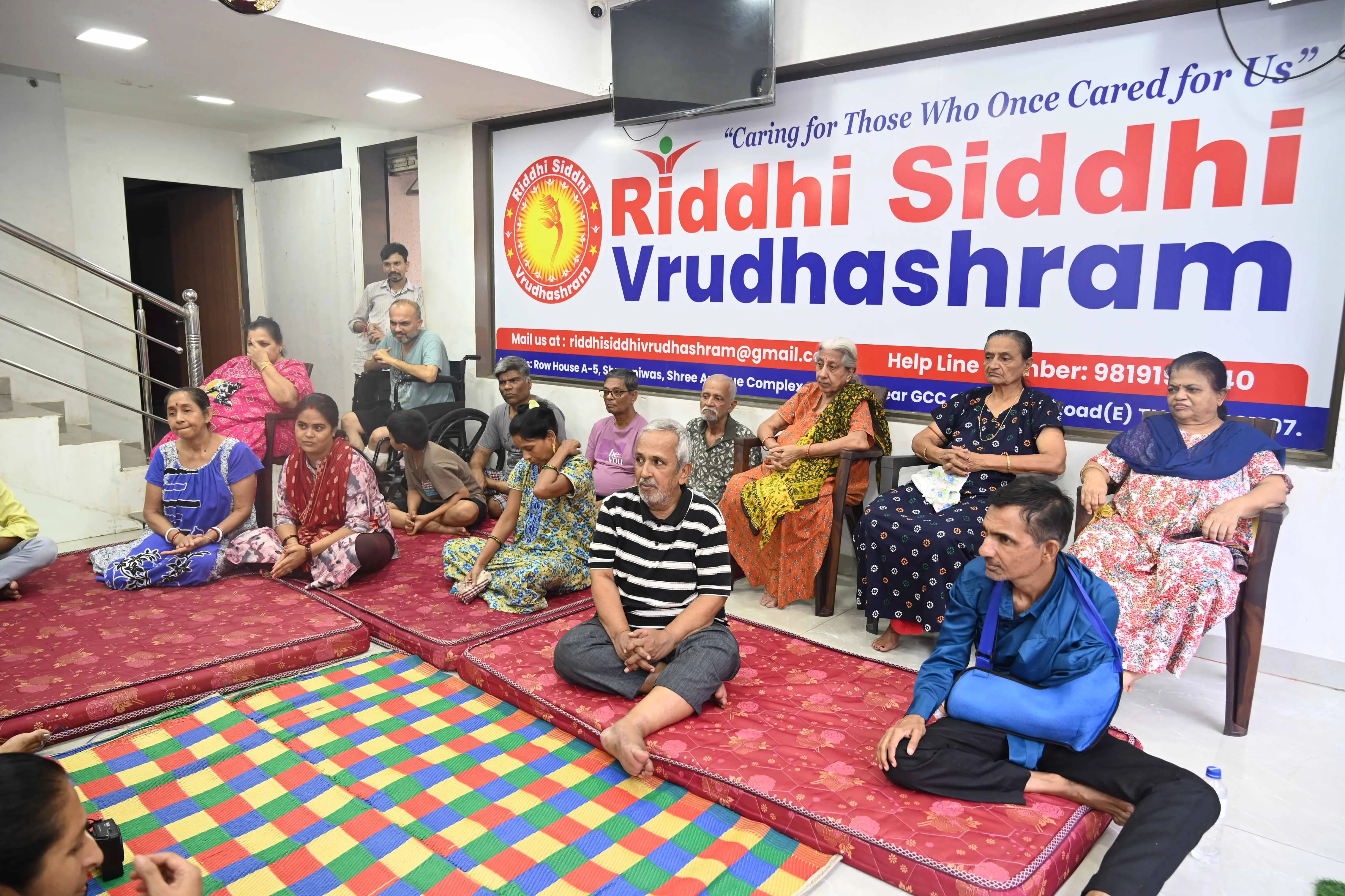
In today’s rapidly evolving world, Charity for old age home initiatives have become more than just acts of kindness—they are essential social responsibilities. With increasing urbanization, nuclear family structures, and migration trends, a growing number of elderly individuals find themselves without adequate care or emotional support. This has created a pressing need for structured support systems, where individuals and communities can sponsor NGO India elderly care programs to ensure dignity, healthcare, and companionship for senior citizens.
Understanding the Changing Demographics of Ageing
India is witnessing a significant demographic shift. According to recent projections, the elderly population (aged 60 and above) is expected to reach nearly 20% of the total population by 2050. This surge is not just a statistic—it reflects a societal transformation where traditional caregiving models are weakening.
Several factors contribute to this:
- Migration of younger generations to urban or international locations
- Rising cost of healthcare and living
- Increasing life expectancy without proportional financial security
- Breakdown of joint family systems
As a result, old age homes are no longer seen as last-resort shelters but as necessary institutions providing structured care.
The Role of Old Age Homes in Modern India
Old age homes today are evolving into comprehensive care centers rather than mere residential facilities. They provide:
1. Medical Support
Regular health check-ups, access to doctors, and emergency care systems ensure that residents receive timely medical attention.
2. Emotional Well-being
Loneliness is one of the biggest challenges faced by the elderly. Community living, group activities, and counseling help address mental health concerns.
3. Nutritional Care
Balanced diets tailored to age-related needs play a crucial role in maintaining health and immunity.
4. Safety and Security
Structured environments ensure protection from neglect, abuse, or unsafe living conditions.
Despite these advancements, many such homes struggle with limited funding and resources, which is where charitable contributions become critical.
Why Supporting Elderly Care is a Social Imperative
Supporting elderly care is not merely philanthropy—it reflects the ethical backbone of a society. A civilization is often judged by how it treats its most vulnerable members.
Here’s why this cause demands attention:
- Moral Responsibility: Elderly individuals have contributed significantly to society; ensuring their dignity is a collective duty.
- Social Stability: Neglecting senior citizens can lead to broader societal issues, including homelessness and health crises.
- Intergenerational Balance: Supporting the elderly fosters a culture of respect and responsibility among younger generations.
Types of Contributions That Make a Difference
Many people assume that contributing to elderly care requires large financial donations. In reality, there are multiple ways to support:
Financial Contributions
Regular or one-time donations help cover operational costs such as food, healthcare, and infrastructure.
Sponsorship Programs
Sponsoring an elderly individual can ensure their monthly expenses, including accommodation and medical needs, are met.
In-Kind Donations
Items such as clothing, medicines, bedding, and groceries are always in demand.
Volunteering
Spending time with elderly residents—reading, talking, or simply listening—can have a profound emotional impact.
Skill-Based Support
Professionals can contribute through medical camps, legal advice, or counseling sessions.
Transparency and Accountability in Donations
One of the common concerns among donors is whether their contributions are being used effectively. Modern charitable ecosystems are increasingly focusing on transparency through:
- Detailed reporting of fund utilization
- Digital tracking of donations
- Regular updates and impact stories
- Third-party audits
Before contributing, it is advisable to evaluate:
- The organization’s operational history
- Clarity in fund allocation
- Availability of impact reports
- Compliance with legal and financial regulations
This ensures that your contribution translates into measurable outcomes.
The Psychological Impact of Giving
Engaging in charitable activities is not just beneficial for recipients—it also positively affects donors. Studies indicate that giving can:
- Reduce stress and anxiety
- Enhance emotional well-being
- Create a sense of purpose
- Strengthen community connections
Supporting elderly care, in particular, fosters empathy and reminds individuals of the value of human relationships beyond transactional interactions.
Challenges Faced by Old Age Homes
Despite their importance, old age homes face several operational challenges:
Funding Constraints
Irregular donations make it difficult to maintain consistent quality of care.
Staffing Issues
Qualified caregivers and medical professionals are often in short supply.
Infrastructure Limitations
Many facilities operate in rented or outdated buildings lacking modern amenities.
Social Stigma
There is still a perception that living in an old age home signifies abandonment, which discourages support and awareness.
Addressing these challenges requires sustained effort from both individuals and institutions.
Government and Policy-Level Support
Governments have introduced various schemes aimed at supporting senior citizens, including pension plans, healthcare subsidies, and legal protections. However, implementation gaps often limit their effectiveness.
Public-private partnerships can play a crucial role in bridging these gaps by:
- Enhancing infrastructure
- Providing funding support
- Introducing technology-driven care solutions
- Expanding outreach programs
Technology’s Role in Elderly Care
Technology is gradually transforming how elderly care is delivered:
- Telemedicine enables remote consultations
- Wearable devices monitor health parameters in real time
- Digital platforms facilitate transparent donations
- AI-based systems assist in emergency response
These innovations not only improve efficiency but also enhance the quality of life for elderly residents.
How Individuals Can Take Action Today
Taking the first step toward supporting elderly care does not require extensive resources—it requires intent and consistency.
Here’s a practical approach:
- Identify credible organizations working in elderly care
- Decide on a contribution model (monthly, annual, or one-time)
- Engage beyond donations—visit, volunteer, or advocate
- Encourage others in your network to participate
- Track the impact of your contributions
Even small, consistent efforts can create significant long-term change.
Building a Compassionate Society
A society that prioritizes the well-being of its elderly population builds a strong ethical foundation. Supporting old age homes is not just about addressing immediate needs—it’s about shaping a culture of compassion, respect, and responsibility.
As life expectancy increases and family dynamics evolve, the need for structured elderly care will only grow. By contributing today, individuals can help create a system that ensures no senior citizen is left without care, dignity, or companionship.
Final Perspective
The concept of giving has evolved from occasional charity to sustained social investment. Supporting elderly care is one of the most impactful ways to contribute to society, as it directly affects individuals who are often overlooked.
When approached thoughtfully, charitable actions can go beyond financial aid—they can restore dignity, create emotional connections, and build a more inclusive society. The question is no longer whether we should contribute, but how effectively we can do so to ensure lasting impact.