
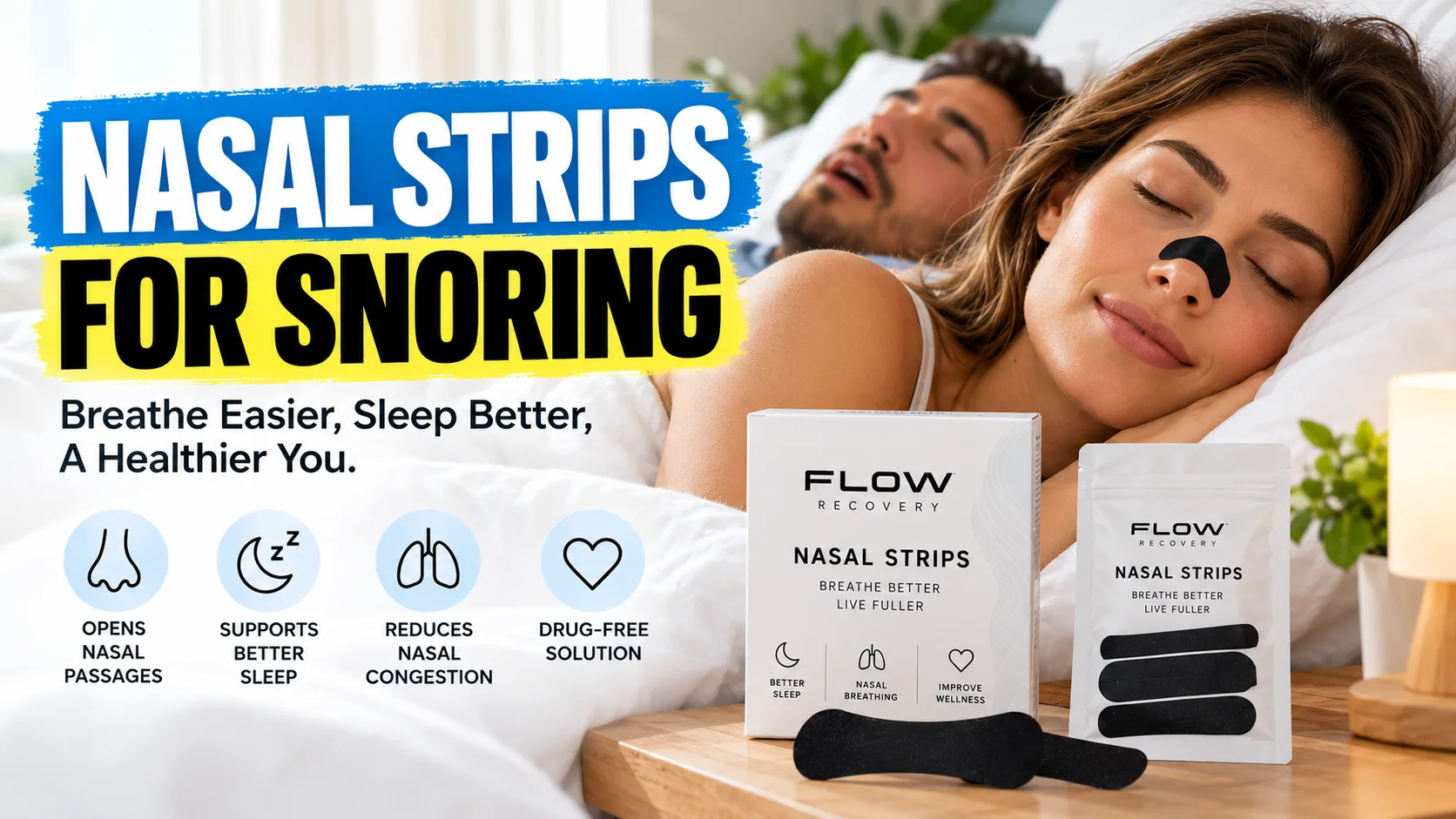
A peaceful night's sleep can make a noticeable difference to how you feel the next morning. However, snoring, nasal congestion, and uncomfortable breathing can interrupt your rest and sometimes disturb the people sleeping nearby.
Snoring is a common concern among adults, but not everyone understands why it happens. While occasional snoring may be harmless, persistent snoring can sometimes indicate an underlying breathing problem that deserves attention.
For people experiencing restricted nasal airflow, simple solutions such as nasal breathing strips may offer additional comfort. These small adhesive strips are designed to gently widen the nasal passages, making it easier for air to move through the nose.
But how do they work, who can benefit, and what should you consider before adding them to your bedtime routine?
This guide explores the causes of snoring, the role of nasal breathing, and practical ways to create a more comfortable sleeping environment.
Understanding Why People Snore During Sleep
Snoring occurs when airflow causes relaxed tissues in the upper airway to vibrate during sleep. The resulting sound can range from occasional soft noises to loud, persistent snoring.
Several factors can contribute to snoring, including nasal congestion, sleeping position, alcohol consumption, body weight, and the natural structure of the upper airway.
When someone falls asleep, the muscles surrounding the tongue, throat, and soft palate relax. In some people, this relaxation narrows the airway enough to produce vibrations as air passes through.
Nasal congestion can make the situation more uncomfortable. When the nose becomes blocked, breathing through it requires additional effort, and some people begin breathing through their mouths.
However, nasal blockage is not the only cause of snoring. The source of the sound may be further back in the throat, which is why different people respond differently to anti-snoring products.
Understanding the underlying cause is an important first step towards choosing a suitable solution.
How Nasal Breathing Influences Sleep Comfort
The nose plays an important role in normal breathing. As air passes through the nasal passages, it is filtered, warmed, and humidified before reaching the lungs.
Comfortable nasal airflow can make breathing feel more natural, particularly when resting or sleeping.
However, several everyday conditions can affect nasal breathing.
Seasonal Allergies
Pollen, dust mites, and other environmental allergens can cause swelling inside the nose. This may create a feeling of blockage, particularly when lying down.
Common Colds
Temporary inflammation and mucus buildup during a cold can make nasal breathing difficult. Some people notice increased nighttime congestion during these periods.
Naturally Narrow Nasal Passages
The shape of the nose and surrounding structures can influence airflow. Individuals with narrow nasal valves may experience greater resistance when breathing through the nose.
Environmental Conditions
Dry air, dust, smoke, and other irritants can contribute to nasal discomfort.
Improving the sleeping environment and addressing the cause of congestion can help make nighttime breathing more comfortable.
What Are Nasal Breathing Strips?
Nasal breathing strips are small adhesive devices worn across the outside of the nose.
Unlike products inserted into the nostrils, external nasal strips sit on the skin and work by applying gentle outward tension to the sides of the nose.
Their flexible construction helps lift the nasal sidewalls slightly, widening the nasal valve area.
This mechanical action can reduce resistance to airflow through the nose.
Because the strips work externally, they do not contain medication and do not require batteries or electronic components.
They are also convenient for people who prefer a simple product that can be applied as part of their evening routine.
Nevertheless, the results depend on the individual's nasal anatomy and the cause of their breathing difficulty.
Can Nasal Strips for Snoring Make a Difference?
Many people explore nasal strips for snoring because they want a straightforward way to support nasal airflow during sleep.
These strips may be helpful when nasal obstruction or narrow nasal passages contribute to nighttime breathing difficulties.
By gently widening the nasal valve, they can make it easier for some individuals to breathe through their noses.
Some studies have reported improvements in perceived nasal congestion, sleep satisfaction, or snoring symptoms among selected participants.
However, research findings are mixed, and nasal strips should not be considered a guaranteed solution for snoring.
They are less likely to help when snoring originates primarily from vibration or narrowing in the throat.
Importantly, nasal strips do not treat obstructive sleep apnoea, a condition involving repeated interruptions to breathing during sleep.
Anyone experiencing loud persistent snoring accompanied by gasping, breathing pauses, or excessive daytime sleepiness should seek medical advice rather than relying on an over-the-counter breathing aid.
Potential Benefits of Using External Nasal Strips
External nasal strips have become popular because they offer a convenient approach to supporting nasal breathing.
Here are several reasons people consider using them.
1. Support More Comfortable Nasal Airflow
The primary function of nasal strips is to widen the nasal valve area.
For individuals experiencing resistance in this part of the nose, the additional opening may make inhalation feel easier.
This can be particularly appealing at bedtime, when congestion sometimes becomes more noticeable.
2. Provide a Drug-Free Option
Nasal strips work mechanically rather than through medication.
They may appeal to people who prefer to avoid adding medicated products to their nighttime routine.
However, they do not replace appropriate medical treatment for allergies, infections, or other causes of nasal obstruction.
3. Offer Convenient Application
Most external nasal strips can be applied in seconds.
They require no complicated setup, making them easy to incorporate into an established bedtime routine.
4. May Improve Perceived Sleep Comfort
Some users report feeling more comfortable when their nasal passages are less restricted.
Research has also identified improvements in certain subjective sleep measures among people with nighttime nasal congestion.
These experiences vary, and improved airflow does not necessarily mean that every person will experience deeper or longer sleep.
5. Provide a Portable Breathing Accessory
Nasal strips are compact and lightweight.
They can be carried during travel, kept in a bedside drawer, or packed with other personal wellness essentials.
Their simplicity makes them accessible to people who want to experiment with a non-invasive approach to nasal airflow.
Who Might Consider Trying Nasal Strips?
Nasal strips may be worth considering for adults who notice that breathing through their nose feels restricted, especially at night.
People with naturally narrow nasal valves may experience a more noticeable benefit because external strips act directly on that area.
Individuals with occasional congestion may also find them useful, although results depend on the cause and severity of the blockage.
They may appeal to people who want a simple, non-medicated breathing accessory alongside other healthy sleep habits.
However, not everyone is a suitable candidate.
Those with sensitive skin or adhesive allergies should check product materials and exercise caution.
People with persistent nasal obstruction, recurring sinus problems, or significant sleep-related breathing symptoms should consult a healthcare professional.
It is also important to remember that comfortable nasal breathing and effective snoring treatment are not always the same thing.
How to Apply Nasal Strips Correctly
Correct placement is important because nasal strips need to sit across the appropriate part of the nose to provide outward support.
Following the manufacturer's instructions helps ensure the product is used as intended.
Step 1: Clean Your Nose
Wash the outside of your nose with water and a gentle cleanser if necessary.
Remove excess oil, skincare products, or makeup from the application area.
Step 2: Dry the Skin Completely
Adhesive products generally attach more securely to clean, dry skin.
Avoid applying moisturiser immediately before using a strip.
Step 3: Position the Strip
Place the strip horizontally across the lower bridge of the nose, above the nostrils, according to the product instructions.
It should sit comfortably without covering the nostril openings.
Step 4: Press Gently
Smooth the adhesive ends against the sides of the nose to help secure the strip.
Avoid excessive pressure or stretching.
Step 5: Remove Carefully
When removing the strip, follow the manufacturer's directions.
Gentle removal, sometimes after moistening the adhesive, can help minimise skin irritation.
If redness, discomfort, or irritation develops, discontinue use.
Building Better Sleep Habits Alongside Nasal Strips
Although breathing accessories can support comfort, healthy sleep habits remain important.
Improving your sleep environment and evening routine may address several factors that contribute to disturbed rest.
Maintain a Consistent Sleep Schedule
Try to go to bed and wake up at similar times each day.
A regular schedule supports the body's natural sleep-wake rhythm and can make it easier to establish predictable bedtime habits.
Consider Sleeping on Your Side
Some people snore more when lying on their backs because gravity influences the position of the tongue and surrounding tissues.
Side sleeping may reduce snoring for certain individuals.
A supportive pillow can help maintain a comfortable position.
Limit Alcohol Before Bedtime
Alcohol relaxes the muscles of the upper airway and may worsen snoring.
Avoiding alcohol close to bedtime can be a useful lifestyle adjustment.
Keep Your Bedroom Comfortable
A cool, quiet, dark bedroom can support a more restful sleeping environment.
Clean bedding and reduced exposure to dust may also help people whose nasal symptoms are triggered by allergens.
Address Persistent Congestion
If allergies or recurring nasal blockage are affecting your sleep, identifying the cause is important.
A healthcare professional may recommend appropriate treatments based on your symptoms.
Nasal strips can complement certain comfort measures, but they do not treat the underlying causes of inflammation or structural obstruction.
Choosing the Right Nasal Strips
With different nasal breathing products available, it helps to consider a few practical features before purchasing.
Comfortable Design
A strip should sit securely without feeling excessively tight or uncomfortable.
The shape should accommodate the nose while allowing the flexible material to provide gentle support.
Suitable Adhesive
An effective adhesive helps keep the strip in position.
However, people with sensitive skin should pay attention to the materials used and stop using any product that causes irritation.
Easy Application
Clear instructions and a straightforward design make a product easier to use consistently.
Practical Packaging
Convenient packaging can make nasal strips easier to store at home or carry while travelling.
Reliable Product Information
Look for clear instructions, ingredient or material information where applicable, and realistic descriptions of the product's intended purpose.
Avoid assuming that every nasal strip provides identical results or that a product can treat a diagnosed sleep disorder.
Adding Flow Recovery Nasal Strips to Your Routine
For Australians interested in practical breathing and recovery accessories, Flow Recovery offers products designed to fit into everyday wellness routines.
Its nasal strips provide an external, drug-free approach to supporting nasal airflow, making them a convenient option for people exploring ways to improve nasal breathing comfort.
Whether you're establishing a more consistent bedtime routine or looking for a compact breathing accessory, choosing a product that is comfortable and easy to use can make the experience simpler.
Explore Flow Recovery nasal strips to learn more about the product and how it can fit into your personal wellness routine.
As with any nasal breathing aid, results vary. The strips are not a substitute for medical assessment or treatment of sleep apnoea.
Common Mistakes to Avoid When Using Nasal Strips
Even a simple product can be less effective when used incorrectly.
One common mistake is applying a strip to oily or damp skin. This may prevent the adhesive from securing properly.
Another is positioning the strip too high or too low on the nose. Because the product is designed to support a particular area, placement can influence the result.
Some people also expect immediate relief from every type of nasal obstruction.
External nasal strips are designed to widen the nasal valve, not remove mucus, resolve inflammation, or correct every structural problem.
Reusing a disposable strip may also reduce its adhesive performance and hygiene.
Finally, relying on nasal strips to manage persistent, severe snoring without investigating the cause can delay appropriate treatment.
The best approach is to understand what the product does, follow its instructions, and monitor whether it genuinely improves your comfort.
When Should You Seek Medical Advice for Snoring?
Occasional snoring does not always indicate a serious problem.
However, frequent or loud snoring should not automatically be dismissed, especially when other symptoms are present.
Consider speaking with a healthcare professional if you experience:
- Breathing pauses noticed by a partner.
- Gasping or choking during sleep.
- Persistent excessive daytime sleepiness.
- Morning headaches alongside disrupted sleep.
- Snoring that significantly affects your wellbeing or household.
- Nasal obstruction that does not improve or repeatedly returns.
These symptoms may indicate a condition that requires further assessment.
A doctor may review your symptoms, examine your nose and throat, or recommend a sleep study where appropriate.
Effective treatment depends on the cause, and options can range from lifestyle changes to specialised medical devices.
Frequently Asked Questions
Do nasal strips work for everyone who snores?
No. They may help some people whose snoring is associated with restricted nasal airflow. They are less likely to help when the main cause is narrowing or vibration in the throat.
Can nasal strips be worn every night?
Many external nasal strips are intended for nighttime use, provided the manufacturer's instructions are followed and the skin tolerates the adhesive. Stop using them if irritation occurs.
Are nasal strips suitable for people with allergies?
They may provide mechanical support to nasal airflow, but they do not treat allergic inflammation. Persistent allergy symptoms may require appropriate medical management.
Can nasal strips replace sleep apnoea treatment?
No. Nasal strips do not treat obstructive sleep apnoea and should never replace prescribed therapy such as CPAP.
How quickly can someone notice a difference?
Because nasal strips work mechanically, a change in nasal airflow may be noticeable shortly after correct application. However, not everyone experiences a benefit, and improvements in sleep or snoring are not guaranteed.
Can nasal strips be used during exercise?
Some external nasal strips are marketed for exercise as well as sleep. Their usefulness depends on the product, fit, and individual nasal anatomy. They should not be expected to produce guaranteed improvements in athletic performance.
Final Thoughts
Comfortable breathing is an important part of a relaxing bedtime routine, and understanding the causes of nasal obstruction can help people make more informed wellness decisions.
External nasal strips offer a simple, non-invasive way to support nasal airflow for certain individuals. They are convenient, portable, and do not rely on medication.
However, their effectiveness depends on the reason for restricted breathing or snoring. They are best viewed as a potential comfort aid rather than a universal solution.
Combining sensible sleep habits, attention to nasal health, and appropriate professional advice can provide a more balanced approach to nighttime comfort.
For anyone exploring nasal strips for snoring, choosing a suitable product, applying it correctly, and maintaining realistic expectations are important steps towards a more comfortable sleep routine.