Boxing gloves are among the most important pieces of equipment for anyone involved in boxing, kickboxing, or combat sports training. While their primary purpose is to provide cushioning around the hands, their overall performance depends on several factors, including outer material, padding composition, stitching, wrist support, and internal construction.
Not all boxing gloves are manufactured in the same way. Different materials and construction methods influence durability, comfort, flexibility, and impact absorption. Understanding these features can help beginners and experienced fighters make informed decisions when selecting boxing gloves for their training requirements.
1. Common Materials Used in Boxing Gloves
The outer material is one of the first things to consider when evaluating boxing glove quality. It affects the glove's appearance, maintenance requirements, durability, and overall feel.
Genuine Leather
Genuine leather is traditionally used in many premium boxing gloves because of its durability and ability to adapt to repeated use when properly maintained.
Some characteristics include:
- Flexible construction that can gradually conform to the hand.
- Good durability with appropriate care.
- A traditional appearance and natural texture.
- Regular maintenance requirements to prevent drying and cracking.
Leather boxing gloves are often preferred by athletes who prioritize traditional construction and long-term use.
Synthetic Leather
Synthetic leather is a widely used alternative in modern boxing equipment. It can provide a practical combination of durability, appearance, and easier maintenance.
Common characteristics include:
- Consistent surface texture and appearance.
- Availability in different colors and finishes.
- Generally straightforward cleaning and maintenance.
- Different quality grades depending on the manufacturing process.
The performance of synthetic leather depends on its composition, thickness, and overall manufacturing quality. A well-constructed synthetic leather glove can be suitable for regular training.
Vinyl and Other Synthetic Materials
Some entry-level boxing gloves use vinyl-based materials or other synthetic alternatives. These materials can make gloves more accessible in terms of price, although their durability varies depending on material quality and construction.
When comparing different gloves, buyers should consider the quality of the outer material rather than relying on the material name alone.
2. Understanding Boxing Glove Padding
Padding is a critical part of boxing glove construction. It provides cushioning around the knuckles and helps distribute impact forces during punching activities.
Different padding configurations are designed to meet different training requirements.
Multi-Layer Foam Padding
Multi-layer foam padding combines layers with different densities or properties to create a cushioning structure.
Depending on the design, individual layers may contribute to impact absorption, shape retention, and overall comfort.
This construction is commonly found in training and sparring gloves because it allows manufacturers to balance cushioning and glove structure.
High-Density Foam Padding
High-density foam is used in some boxing gloves to provide structured cushioning and help maintain the shape of the striking area.
Its characteristics depend on the foam formulation, thickness, and overall design.
The density of foam alone does not determine how protective a glove is. Padding thickness, material properties, distribution, and fit also matter.
Injected Foam Padding
Injected foam is manufactured by introducing foam material into a mold to create a specific shape and structure.
This approach allows manufacturers to produce consistent padding configurations and integrate cushioning into the glove design.
The performance of injected foam depends on its composition and manufacturing specifications.
3. Important Construction Features of Boxing Gloves
Beyond the outer material and padding, several structural features influence how boxing gloves fit and perform.
Hand Compartment and Ergonomic Design
The internal hand compartment should accommodate the hand comfortably while allowing a natural fist position.
An appropriate ergonomic design can help reduce unnecessary movement inside the glove and provide a more consistent feel during training.
Buyers should consider finger positioning, thumb placement, internal space, and compatibility with hand wraps.
Wrist Support and Closure Systems
Wrist support is another important consideration when choosing boxing gloves.
Two common closure systems are:
Hook-and-Loop Closure: These gloves use adjustable fastening straps that allow athletes to put on and remove their gloves conveniently. They are popular for regular gym training.
Lace-Up Closure: Lace-up gloves use laces to create a more adjustable fit around the wrist and hand. They are commonly selected for competition and by athletes who prefer a more customized fit.
Neither closure system automatically guarantees better wrist protection. Proper fit, glove construction, and appropriate wrapping techniques also matter.
Thumb Attachment
The thumb design contributes to hand positioning and overall glove structure. Many modern boxing gloves feature an attached thumb configuration.
A properly designed thumb attachment helps maintain the intended thumb position and can reduce excessive movement during punching.
Stitching and Reinforcement
Stitching holds different glove panels together and contributes to the overall structural integrity of the product.
Important areas to examine include:
- Seams around the striking surface.
- Thumb attachment points.
- Wrist closure areas.
- Palm and finger compartments.
Reinforced stitching and consistent seam construction can help gloves withstand repeated training sessions.
4. How Boxing Glove Construction Differs by Training Purpose
Different boxing activities place different demands on glove construction.
| Training Type | Important Glove Features |
|---|---|
| Heavy Bag Work | Durable exterior, suitable knuckle cushioning, and secure wrist fit |
| Pad Training | Comfortable fit, balanced padding, and flexibility |
| Sparring | Appropriate weight, softer partner-conscious padding, and secure construction |
| Competition | Event-compliant weight, approved construction, and suitable fit |
Sparring gloves generally use softer padding to provide appropriate cushioning for both training partners. Competition gloves may have different weight and padding specifications depending on the governing organization.
It is important to choose gloves according to the activity rather than assuming that one pair is ideal for every boxing session.
5. How to Choose Boxing Gloves Based on Material and Construction
When purchasing boxing gloves, consider more than their appearance or advertised features.
Evaluate the Outer Material: Compare genuine leather and synthetic leather based on your budget, maintenance preferences, and expected training frequency.
Check the Padding: Look for suitable cushioning around the knuckles and a construction appropriate for your training activity.
Assess the Fit: Gloves should provide a secure, comfortable fit without excessive pressure or unnecessary internal movement.
Consider Wrist Support: Examine the closure system, cuff structure, and adjustability.
Inspect the Stitching: Look for consistent seams and reinforced areas around high-stress sections.
Choose the Correct Weight: Boxing gloves are commonly measured in ounces (oz). The appropriate weight depends on your body size, training purpose, coach's recommendations, and applicable competition rules.
For athletes comparing different designs and construction features, exploring a dedicated best boxing gloves collection can provide useful product options for different training preferences.
6. Maintaining Boxing Gloves for Long-Term Use
Even well-constructed boxing gloves require proper care. Sweat, moisture, and repeated impact can gradually affect their internal materials and outer surfaces.
To maintain boxing gloves:
- Air them out after every training session.
- Wipe the exterior with a suitable soft cloth.
- Avoid storing damp gloves in closed gym bags.
- Use glove deodorizers to help manage moisture and odor.
- Follow the manufacturer's cleaning instructions.
- Inspect stitching, padding, and wrist closures regularly.
Avoid machine washing unless specifically permitted by the manufacturer, as excessive water, heat, and agitation may damage the materials and padding.
Conclusion
Boxing glove quality depends on more than the outer material. Padding composition, ergonomic design, wrist support, thumb construction, and stitching all contribute to the glove's overall functionality.
Understanding these features allows athletes to compare different boxing gloves more effectively and select equipment suited to their training requirements. Whether choosing genuine leather or synthetic leather, multi-layer foam or injected padding, the priority should be appropriate construction, comfortable fit, and reliable performance.
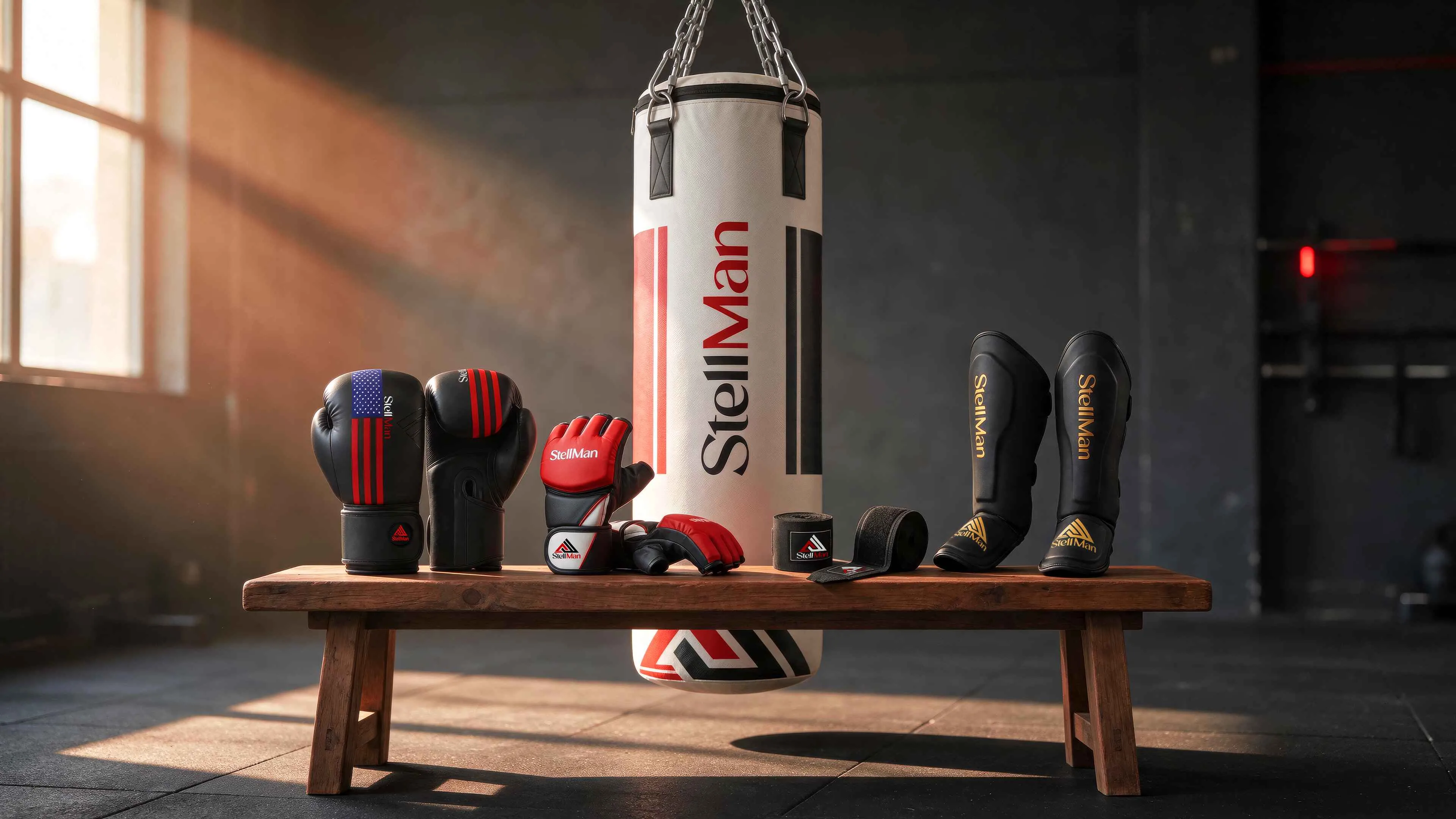
For athletes looking to explore boxing equipment for different training needs, StellMan offers a range of boxing gloves and combat sports gear for beginners and experienced athletes alike.