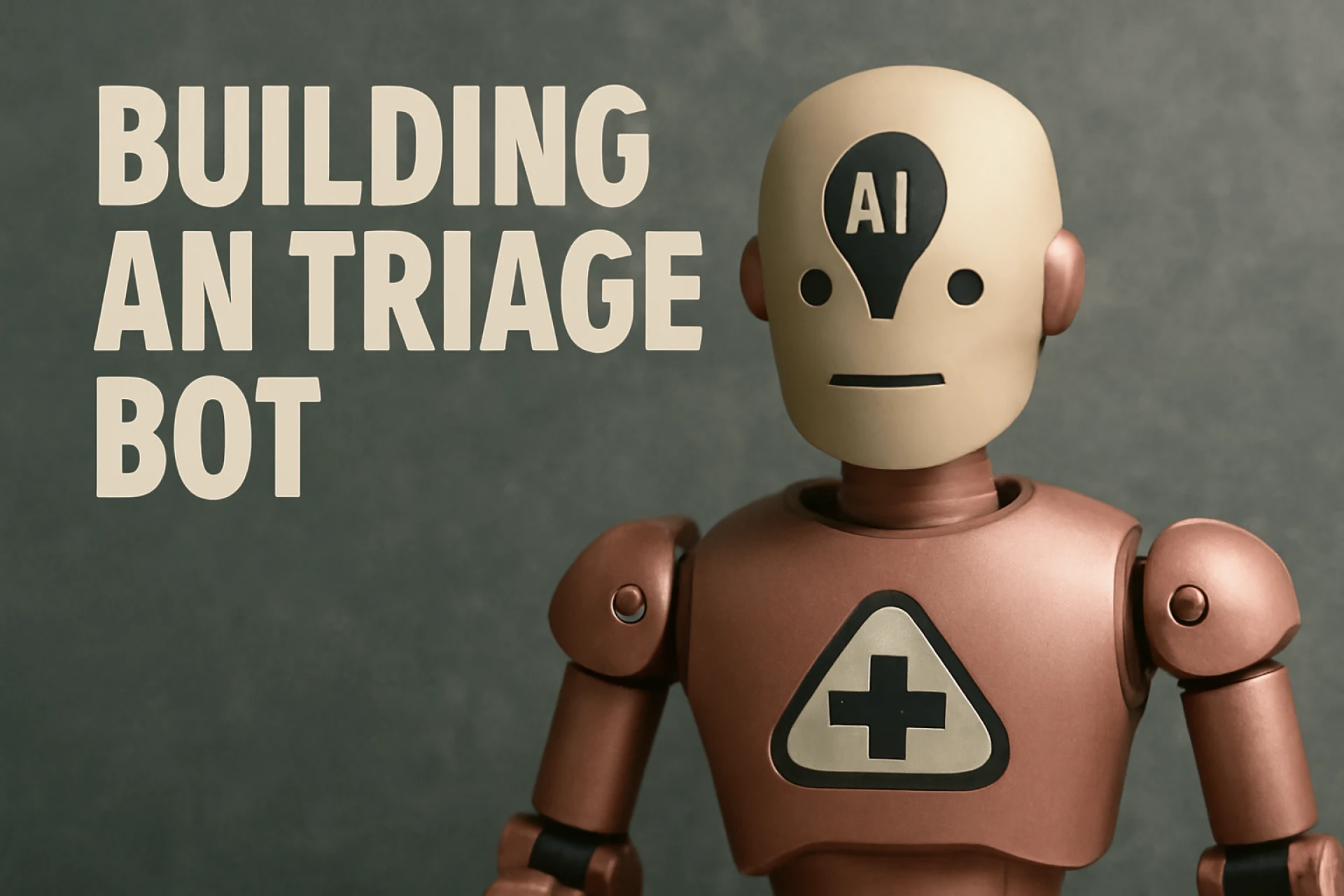
AI triage bots are revolutionizing the healthcare sector by offering immediate, accurate assessments of patients' symptoms. These bots leverage advanced technologies like Natural Language Processing (NLP) and machine learning (ML) to provide insights into potential diagnoses, making healthcare more efficient. As more patients turn to the internet for symptom research, AI triage bots are becoming indispensable tools that help reduce unnecessary emergency room visits, alleviate clinician burnout, and improve overall patient care.
In this article, we’ll walk you through the essential aspects of building an AI triage bot, highlighting its features, development process, costs, and challenges. By the end of this guide, you'll have a solid understanding of how these bots work and the best approach to developing your own AI triage bot that can streamline healthcare delivery and improve patient outcomes.
What Are AI Triage Bots?
AI triage bots are digital assistants that efficiently handle patient care by automating the process of symptom assessment and care routing. These bots communicate with patients via user-friendly chat interfaces to gather essential medical information, including symptoms and medical history. They then assess the urgency of the patient's condition and direct them to the appropriate level of care—whether it's self-care, scheduling a doctor's appointment, or seeking emergency assistance.
Key Features of AI Triage Bots:
- Automated Symptom Assessment: Utilizing NLP and ML, these bots evaluate symptoms quickly and accurately.
- 24/7 Availability: These bots provide round-the-clock support, ensuring patients get timely care whenever they need it.
- Smart Routing: By prioritizing cases based on urgency, the bot ensures that critical situations are addressed promptly.
- Reduced Burden on Healthcare Staff: Automating triage reduces the workload for doctors and nurses, allowing them to focus on more complex cases.
How AI Triage Bots Work
The process of an AI triage bot typically involves three main steps:
- Intake: The bot collects essential information from the patient through a friendly conversational interface, either through text or voice input.
- Assessment: The bot analyzes the data to determine the severity of the symptoms and suggests the next steps for care.
- Routing: Based on the urgency and type of symptoms, the bot directs the patient to the appropriate care option, whether it's self-care, a virtual consultation, or in-person care.
This streamlined process makes it easy for patients to quickly determine whether they need urgent care or can manage their symptoms at home, improving the overall patient experience.
Examples of AI Triage Bots: Buoy Health vs. Infermedica
Two key players in the AI triage bot space are Buoy Health and Infermedica. Both of these platforms offer AI-driven symptom assessments and triage capabilities, though they differ in some key aspects.
Buoy Health:
- Platform: Web-based chatbot
- Core Function: Symptom assessment and care guidance
- User Base: Direct-to-consumer patients
- Features: Personalized assessments, real-time recommendations for self-care, appointments, or emergency care
Infermedica:
- Platform: Web-based and integrated provider solutions
- Core Function: Symptom assessment, triage, and care routing
- User Base: Healthcare providers and patients
- Features: Symptom evaluation, telemedicine integration, in-person visit scheduling
Both Buoy Health and Infermedica leverage AI to improve healthcare efficiency by reducing unnecessary visits and ensuring that patients receive the right care at the right time.
The Growth of AI Triage Bots: A Growing Market
The market for AI triage bots is rapidly expanding. According to GrandViewResearch, the global healthcare chatbot market is set to grow significantly in the coming years, with AI triage bots becoming a driving force. The market was valued at USD 1.2 billion in 2024 and is projected to reach USD 4.36 billion by 2030, expanding at a CAGR of 24%.
Key Drivers for Growth:
- Increased Demand for Healthcare: With more people seeking healthcare services and managing chronic conditions, the need for efficient triage solutions is rising.
- AI Adoption by Healthcare Providers: As more healthcare providers adopt AI-powered tools, triage bots are becoming essential for hospitals, telehealth platforms, and insurance companies.
- Rise of Smart Devices: The growing use of smart devices has created a need for real-time, on-demand healthcare solutions that AI triage bots can provide.
As the demand for these bots grows, healthcare providers and businesses have a unique opportunity to invest in AI-driven triage bots to enhance their services.
The Business Models of AI Triage Bots: Buoy Health vs. Infermedica
Both Buoy Health and Infermedica utilize different business models that reflect the evolving landscape of AI-driven healthcare solutions.
Buoy Health’s Business Model:
- Revenue Streams: Subscription or licensing fees, custom implementation fees, upsell opportunities for additional features.
- Clients: Health plans, employers, and government entities
- Key Offering: AI-powered triage platform for patient self-screening and care navigation.
Infermedica’s Business Model:
- Revenue Streams: Subscription and licensing fees for access to Infermedica’s API and white-label solutions.
- Clients: Insurers, healthcare providers, and telemedicine firms
- Key Offering: Symptom checking, triage, and patient navigation solutions for healthcare professionals.
Both companies generate revenue through business-to-business (B2B) partnerships, helping healthcare organizations reduce costs and improve patient care.
Features to Include in Your AI Triage Bot
When developing an AI triage bot, it's essential to focus on features that will maximize its effectiveness and user engagement. Here are some key features that should be incorporated into an AI triage bot:
1. Free-Text Symptom Input
Allow users to describe their symptoms in their own words, enhancing accuracy and improving the bot's understanding of the patient's condition.
2. Contextual Awareness
The bot should remember previous interactions and adapt its responses accordingly, providing a seamless and personalized user experience.
3. Handling Ambiguity
Equip the bot with the ability to interpret vague or unclear symptoms, asking follow-up questions to gather more information.
4. Intelligent Follow-Up Questions
Enable the bot to generate dynamic follow-up questions based on the symptoms and the likelihood of various conditions.
5. Exclusionary Questions
Strategically ask exclusionary questions to identify high-risk conditions early on, ensuring urgent cases are flagged for immediate attention.
6. Risk Factor Analysis
Incorporate lifestyle factors such as smoking or recent travel history into the bot’s evaluation to improve its accuracy in diagnosing potential conditions.
7. Clear Triage Recommendations
Provide actionable steps, such as self-care, scheduling an appointment, or seeking urgent care, based on the severity of the symptoms.
Development Process for an AI Triage Bot
Creating an effective AI triage bot requires a structured development process. Here’s how we can approach the development:
1. Define the Scope and Objectives
Understanding your target audience and the bot’s objectives is crucial. Whether it's a general symptom checker or a specialized bot for specific conditions, aligning the project with clear goals ensures success.
2. Front-End Development
The user interface must be intuitive and easy to use, ensuring patients can interact with the bot without confusion. A responsive design will improve user engagement.
3. Back-End Development
A strong back-end infrastructure is necessary to handle large volumes of data and ensure smooth communication between the bot and users. Scalability and security are paramount.
4. Data Collection & Medical Knowledge Base Creation
Gathering accurate medical data is essential for the bot to provide reliable recommendations. Collaborating with healthcare professionals ensures that the information is up-to-date and relevant.
5. Algorithm and Model Development
Choosing the right algorithms for symptom analysis is crucial. Machine learning models and rule-based decision trees help ensure the bot offers accurate assessments.
6. Testing & Validation
Before going live, extensive testing is required. The bot must undergo rigorous clinical validation to ensure its diagnostic accuracy and compliance with healthcare regulations.
Cost of Developing an AI Triage Bot
The cost of developing an AI triage bot varies based on features, complexity, and the level of customization. Here's an estimated breakdown of the costs involved:
- Research & Planning: $1,500 – $5,000
- UI/UX Design: $1,000 – $4,000
- Backend Development & AI Model Integration: $12,000 – $60,000
- Frontend Development: $2,000 – $8,000
- Core Features Development: $2,000 – $9,500
- Testing & QA: $1,500 – $8,000
- Deployment & Infrastructure: $500 – $3,000
Overall, the total cost of developing an AI triage bot typically ranges between $10,000 and $100,000, depending on the complexity and features.
Challenges in Developing an AI Triage Bot
While developing an AI triage bot can transform healthcare, several challenges must be overcome:
1. High-Quality Data Acquisition
Acquiring high-quality medical data is essential but often difficult due to privacy regulations and the costs associated with obtaining real-world patient data.
2. Balancing Machine Learning and Rule-Based Logic
A hybrid approach combining machine learning and rule-based logic ensures the bot’s accuracy and safety, but integrating these two systems can be complex.
3. Compliance and Data Privacy
Ensuring the bot complies with healthcare regulations like HIPAA and GDPR is crucial, adding complexity to the development process.
Conclusion: Building an Effective AI Triage Bot
AI triage bots are revolutionizing healthcare by making patient care more efficient and accessible. By automating symptom assessment and care routing, these bots reduce the burden on healthcare providers while improving patient outcomes. Developing an AI triage bot involves several critical steps, including understanding the scope of the project, choosing the right features, ensuring compliance, and balancing machine learning with rule-based algorithms.
At IdeaUsher, we specialize in developing cutting-edge AI triage bots that streamline healthcare services. If you’re ready to bring your AI triage bot idea to life, contact us for a consultation and let’s work together to create a solution that transforms healthcare delivery for your organization.