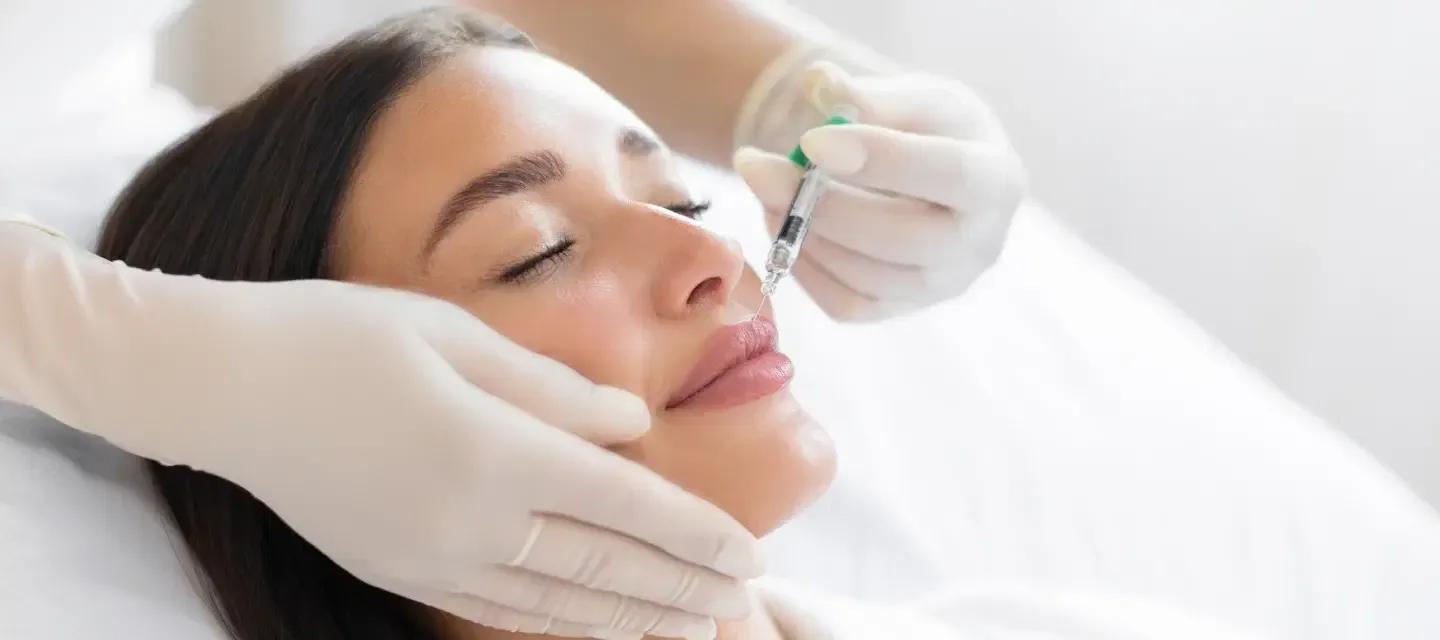
Botox has become one of the most recognized non-surgical aesthetic treatments for softening expression-related lines and creating a more refreshed appearance. Rather than adding volume to the face, botulinum toxin works by temporarily reducing the activity of selected muscles responsible for dynamic wrinkles.
For people considering botox dubai, understanding how the treatment works, which areas can be treated, what happens during a consultation, how long results may last, and what factors influence the price can make the decision-making process much clearer.
Dr. Matteo Vigo's published aesthetic medicine material explains botulinum toxin as a treatment that relaxes facial muscles responsible for wrinkles and emphasizes a detailed medical consultation before treatment. His material discusses areas including frown lines, forehead lines, crow's feet, nasal lines, and selected other facial areas.
What Is Botox?
Botox is a brand of botulinum toxin type A. In aesthetic medicine, carefully controlled amounts are injected into specific muscles to temporarily reduce their contraction. This can soften wrinkles that develop primarily because of repeated facial movements.
Common examples include:
- Forehead lines
- Frown lines between the eyebrows
- Crow's feet around the eyes
- Certain nasal expression lines
- Selected neck lines
- Other expression-related wrinkles
Botulinum toxin works differently from dermal fillers. Fillers primarily add volume or structure, while botulinum toxin primarily modifies muscle activity.
This distinction is important when considering botox dubai, because not every facial line is caused by muscle movement. A consultation can help determine whether botulinum toxin, filler, skin treatment, surgery, or another approach is more appropriate.
How Botox Works
Facial muscles repeatedly contract when a person smiles, frowns, squints, or makes other expressions. Over time, repeated contraction can contribute to the development of dynamic lines.
Botulinum toxin temporarily interferes with the nerve signals that tell targeted muscles to contract. As muscle activity decreases, the overlying skin can appear smoother.
The treatment does not permanently eliminate facial movement. When appropriately planned, the objective can be to reduce excessive muscle activity while preserving a natural appearance.
Dr. Matteo Vigo's educational material describes botulinum toxin as working by relaxing facial muscles responsible for expression-related wrinkles.
What Areas Can Botox Treat?
Botulinum toxin can be used in several facial areas depending on the patient's anatomy and aesthetic goals.
Forehead Lines
Horizontal forehead lines often become visible when the eyebrows are raised. Carefully planned treatment can reduce excessive movement of the forehead muscles and soften these lines.
Because the forehead contributes to eyebrow position and facial expression, treatment needs to be carefully individualized.
Frown Lines
Frown lines are located between the eyebrows and can become particularly noticeable when someone concentrates or frowns.
Botulinum toxin can reduce the muscle activity responsible for these expression lines, creating a more relaxed appearance.
Crow's Feet
Crow's feet are lines that develop around the outer corners of the eyes, particularly during smiling or squinting.
Careful treatment can soften their appearance while allowing appropriate facial expression to remain.
Nasal Expression Lines
Some people develop small lines around the upper nose when they smile or scrunch their nose. Dr. Matteo Vigo's educational material identifies nasal scrunch lines among areas that may be treated with botulinum toxin.
Neck Lines
Selected neck muscles can sometimes contribute to visible vertical bands or changes in neck appearance. In appropriate patients, botulinum toxin may be considered as part of a carefully planned aesthetic treatment.
The treatment approach varies depending on anatomy and the patient's specific concern.
Why Personalized Botox Treatment Matters
There is no universal Botox dose that is appropriate for every person.
Facial muscles vary in size, strength, position, and activity. People also have different expectations regarding how much movement they want to retain.
A personalized treatment plan may consider:
- Facial anatomy
- Muscle strength
- Existing wrinkles
- Degree of facial movement
- Skin condition
- Previous Botox treatments
- Desired degree of correction
- Overall facial proportions
Current Dubai aesthetic treatment guidance similarly emphasizes individualized assessment based on facial anatomy, muscle movement, skin condition, and aesthetic goals.
This personalized philosophy is particularly important for achieving a refreshed appearance rather than an overly restricted expression.
The Consultation Before Botox
A professional consultation is an important part of the treatment process.
During the consultation, the practitioner can examine facial movement and determine which muscles contribute to the patient's concerns.
The discussion may include:
- The areas the patient wants to improve
- Previous injectable treatments
- Medical history
- Current medications
- Allergies or sensitivities
- Desired level of correction
- Expected treatment timeline
- Potential maintenance requirements
Dr. Matteo Vigo specifically states in his Botox educational material that he undertakes a detailed medical consultation to assess a patient's general health and requirements before offering treatment when appropriate.
Botox and Natural Facial Expressions
One of the biggest concerns patients have is whether Botox will make their face look frozen or unnatural.
A natural-looking result depends greatly on appropriate treatment planning and dosing.
The objective is generally not to eliminate every facial movement. Instead, the practitioner can selectively reduce excessive muscle activity while considering the patient's natural expressions.
Different people may therefore receive different treatment plans even when they have similar wrinkles.
For someone researching botox dubai, the emphasis should be on individualized facial assessment rather than simply choosing a particular number of units or treatment areas.
What Happens During a Botox Appointment?
Botox treatment is performed through small injections into selected facial muscles.
The practitioner identifies the treatment points and administers carefully measured amounts of botulinum toxin.
A typical appointment can be relatively short, although the exact duration depends on the number of areas being treated. Current Dubai clinical guidance commonly describes treatment sessions as taking approximately 15 to 30 minutes.
The treatment is generally performed without the need for surgical anesthesia, although individual comfort measures may be discussed.
Does Botox Hurt?
Because Botox involves small injections, patients may feel brief pinching or pressure during treatment.
The sensation is generally temporary, and the appointment itself is usually relatively quick.
Individual sensitivity varies, so patients should communicate with the practitioner if they are particularly concerned about discomfort.
What Happens Immediately After Botox?
One advantage of botulinum toxin treatment is that it generally does not require the extended recovery associated with surgical procedures.
Patients may experience temporary injection-site effects such as mild redness, swelling, or tenderness.
The treated muscles do not change instantly. The effect develops progressively over the following days.
Because of this gradual onset, patients should avoid judging the treatment immediately after leaving the appointment.
When Do Botox Results Appear?
The timing of results varies between individuals and treatment areas.
Botulinum toxin typically begins to take effect over several days, with the result becoming more apparent as the muscles gradually become less active. Some clinical guidance describes peak effects at approximately two weeks.
This is why a follow-up assessment may be useful when the practitioner wants to evaluate the outcome and determine whether any refinement is appropriate.
How Long Does Botox Last?
Botox is temporary.
The duration of results varies according to factors such as:
- Treatment area
- Dose
- Individual muscle activity
- Metabolism
- Product used
- Previous treatment history
- Individual response
Many patients experience effects for approximately three to four months, although the duration can vary.
As muscle activity gradually returns, expression lines may become visible again.
Maintenance treatments can therefore be considered according to individual needs rather than following an automatic schedule.
Understanding Botox Cost in Dubai
One of the most common questions surrounding treatment is botox cost in dubai.
There is no single price applicable to every patient because Botox treatment is customized according to the areas being treated and the amount of product required.
Factors that can influence botox cost in dubai include:
- Number of treatment areas
- Amount of botulinum toxin required
- Facial muscle strength
- Treatment complexity
- Practitioner expertise
- Product or brand used
- Whether one or several areas are treated
- Follow-up requirements
Current Dubai market information shows that pricing may be presented either per treatment area or according to the amount of product used. Published 2026 pricing guides show considerable variation between providers.
Why Botox Prices Can Vary
A single treatment area does not necessarily require the same amount of product for every patient.
For example, one person may have relatively strong forehead muscle activity, while another may require a smaller amount to achieve the desired degree of relaxation.
Similarly, treating one area is different from treating the forehead, frown lines, and crow's feet together.
Therefore, botox cost in dubai should be discussed after a proper assessment rather than estimated solely from a generic price list.
What Should Be Included in a Botox Quote?
When discussing price, patients may want to understand what the quoted amount includes.
Questions can include:
- Which treatment areas are included?
- Is the price based on units or areas?
- Which botulinum toxin product is being used?
- Is the consultation included?
- Is a follow-up appointment included?
- Does the price cover any required review or refinement?
- What determines the final amount?
Understanding these details makes it easier to compare treatment plans accurately.
Botox Versus Dermal Fillers
Botox and dermal fillers are often discussed together, but they have different purposes.
Botulinum toxin primarily reduces muscle activity, making it particularly suitable for dynamic expression lines.
Dermal fillers are generally used to add volume, restore contours, or provide structural support.
For example, forehead expression lines may respond to botulinum toxin, while volume loss in the cheek may be better addressed with a filler.
Some patients may benefit from a combination of approaches, but the treatment should be based on an assessment of the actual cause of the aesthetic concern.
Can Botox Be Used for Facial Contouring?
Botulinum toxin is not only used for traditional forehead wrinkles.
In selected cases, it can be used in muscles that influence facial contour. One example is treatment of the masseter muscles, which may be considered when the lower face appears broad because of prominent muscle activity.
This type of treatment requires particularly careful assessment because facial proportions and muscle anatomy vary considerably.
The purpose should be to achieve an appropriate contour rather than simply make the face narrower.
Botox for Men
Botulinum toxin is used by both women and men.
Men may seek treatment for forehead lines, frown lines, crow's feet, or other expression-related concerns.
However, male and female facial anatomy can differ, and treatment should not simply use identical injection patterns.
A personalized assessment can help preserve facial characteristics while addressing the patient's specific aesthetic goals.
Preventative Botox: What Does It Mean?
Preventative Botox generally refers to using botulinum toxin before expression lines become deeply established.
The concept is based on reducing repetitive muscle movement that contributes to dynamic lines.
However, preventative treatment should still be individualized. Not everyone requires treatment at the same age or in the same areas.
A consultation can help determine whether treatment is appropriate based on facial movement and the patient's goals rather than age alone.
Botox and Skin Quality
Botox primarily influences muscle activity, so it should not be considered a complete skin-rejuvenation treatment.
It does not replace treatments designed specifically for pigmentation, significant texture changes, dehydration, or substantial volume loss.
A comprehensive aesthetic plan may sometimes combine different treatments, but each procedure should have a clear purpose.
This distinction helps patients understand what Botox can and cannot accomplish.
Preparing for Botox Treatment
Preparation requirements depend on the individual and the treatment plan.
Before treatment, patients should inform their practitioner about:
- Current medications
- Supplements
- Allergies
- Previous Botox treatments
- Previous reactions to injectables
- Medical conditions
- Other recent aesthetic procedures
The practitioner can then determine whether treatment is appropriate and provide personalized instructions.
Aftercare Following Botox
Post-treatment instructions can vary according to the practitioner and treatment area.
Patients should follow the specific guidance provided by their medical professional.
General treatment guidance may involve avoiding unnecessary manipulation of the injection sites and following any activity instructions provided after treatment.
The important point is to avoid assuming that a generic online aftercare routine is appropriate for everyone.
When Should You Schedule a Follow-Up?
A follow-up can be useful because Botox develops progressively.
An assessment around the time the treatment has reached its intended effect allows the practitioner to evaluate:
- Degree of muscle relaxation
- Symmetry
- Facial expression
- Patient satisfaction
- Whether additional treatment is appropriate
A follow-up is especially useful for first-time patients because it allows the practitioner to understand how that individual's muscles respond to treatment.
Who May Be Suitable for Botox?
Suitability depends on individual circumstances.
A person seeking improvement in dynamic facial lines may be a potential candidate, but the practitioner should first assess medical history, treatment objectives, facial anatomy, and expectations.
Botox is not automatically appropriate for every wrinkle or every patient.
The consultation should determine whether the treatment is suitable and whether another approach may provide a better outcome.
Why Experience Matters in Injectable Treatments
Botox may be a non-surgical treatment, but it still requires detailed knowledge of facial anatomy.
The practitioner needs to understand how different muscles interact and how treatment of one area can influence surrounding structures.
Dr. Matteo Vigo's published Botox material emphasizes the importance of assessing how a patient's facial muscles work before determining treatment.
His current Dubai Health Authority professional directory listing identifies him as a Specialist Plastic Surgery practitioner with active professional licenses at listed Dubai facilities.
The Approach of Dr. Matteo Vigo
Dr. Matteo Vigo's educational material presents botulinum toxin as part of aesthetic medicine and emphasizes detailed consultation before treatment. His stated approach is focused on assessing individual requirements and selecting treatment when it is considered appropriate.
His published professional content also describes his broader philosophy as providing patients with independent advice and helping them make informed choices about non-surgical aesthetic treatments, including Botox and dermal fillers.
For patients considering botox dubai, this individualized approach is particularly relevant because facial movement, muscle strength, and aesthetic preferences can differ substantially from one person to another.
Questions to Ask Before Botox Treatment
A consultation is an excellent opportunity to ask detailed questions.
Patients may want to ask:
- Is Botox appropriate for my specific wrinkles?
- Which areas would you recommend treating?
- How much movement should I expect to retain?
- When should I expect results?
- How long might the effect last?
- Which product will be used?
- How is the treatment customized for my facial anatomy?
- What is included in the botox cost in dubai?
- Will I need a follow-up appointment?
- Would another treatment be more appropriate for my concern?
These questions can help establish realistic expectations before treatment.
Maintaining a Natural Appearance
The goal of modern Botox treatment does not have to be a completely wrinkle-free face.
Natural-looking treatment often means reducing lines while preserving enough facial movement to maintain the patient's personality and expressions.
The appropriate degree of correction depends on individual preference.
Some patients may want noticeable smoothing, while others prefer a subtle refresh. Discussing this preference during consultation allows the practitioner to adjust the treatment strategy accordingly.
Botox as Part of a Broader Aesthetic Plan
Botox can be one component of a comprehensive aesthetic plan.
Depending on a person's concerns, other treatments may address skin texture, pigmentation, volume loss, facial contours, or other changes that Botox alone cannot correct.
The important principle is that each treatment should have a specific purpose.
A personalized plan may therefore involve one treatment, several treatments performed at different times, or no treatment at all if the concern does not require intervention.
Final Thoughts on Botox Dubai
Botox is a well-established non-surgical aesthetic treatment that can temporarily reduce the appearance of dynamic facial wrinkles by relaxing selected muscles.
For people considering botox dubai, understanding the difference between muscle-related wrinkles and concerns such as volume loss or skin-quality changes is an important first step. A detailed consultation can help determine whether Botox is the right treatment and how it should be tailored to the individual's facial anatomy.
The botox cost in dubai can vary depending on treatment areas, product, dosage, practitioner expertise, and the complexity of the plan. Published Dubai pricing information demonstrates that costs can differ considerably, making personalized assessment more useful than relying on a single advertised figure.
Dr. Matteo Vigo's approach emphasizes detailed consultation and assessment of individual facial-muscle patterns before treatment. His professional licensing information also lists him as a Specialist Plastic Surgery practitioner in Dubai.
Ultimately, successful Botox treatment is not simply about reducing wrinkles. It is about understanding facial anatomy, selecting appropriate treatment areas, maintaining natural expression, and developing a plan that matches the patient's individual goals. When these principles guide treatment, Botox can become a subtle tool for refreshing facial appearance while preserving the features that make each person unique.