Piles can make ordinary parts of the day surprisingly uncomfortable. Sitting through a long meeting, using the toilet, or even walking for a while may bring itching, soreness, or a feeling of pressure around the anus. People often start searching for the best medicine for Piles because they want relief without making a big fuss about a problem that can feel embarrassing to discuss. At Shri Chyawan Ayurved, we believe clear information about symptoms, treatment options, and everyday bowel habits can help people make more informed choices.
What Are Piles, and Why Do They Hurt?
Piles, also called haemorrhoids, are swollen blood vessels in and around the anus and lower rectum. They are quite common, particularly among adults who experience constipation, strain during bowel movements, or spend long periods sitting on the toilet.
There are two main types. Internal piles develop inside the rectum and may cause painless bleeding during a bowel movement. External piles form beneath the skin around the anus and can cause itching, swelling, tenderness, or pain. A blood clot can sometimes form in an external pile, making the area suddenly very painful.
Not every case feels the same. One person may notice a few spots of bright red blood on toilet paper, while another may struggle to sit comfortably. The right treatment depends on the symptoms, their severity, and whether piles are actually causing them.
Which Medicine Helps Relieve Piles Symptoms?
There isn't one medicine that works for everyone. The most suitable piles medicine depends on whether the main problem is pain, itching, swelling, constipation, or bleeding.
Some non-prescription products may provide temporary relief:
- Creams and ointments: Certain products can ease itching, irritation, and discomfort around external piles. Follow the label instructions and avoid prolonged use without medical advice.
- Local anaesthetic preparations: Products containing ingredients such as lidocaine may temporarily numb painful skin. They are not suitable for everyone, so check with a pharmacist or doctor before use.
- Short-term hydrocortisone products: These may reduce inflammation and itching. They should generally be used only for a short period, as directed, because extended use can thin the skin.
- Stool softeners or fibre supplements: These can help make bowel movements easier, reducing the need to strain. Ask a healthcare professional which option suits your situation.
Pain relief tablets may also help some people, but the choice matters. If piles are bleeding, ask a doctor or pharmacist before taking medicines that may increase bleeding risk. Never assume that every product labelled for piles will treat the underlying cause.
Can Ayurvedic Medicine Help With Piles?
Ayurveda has a long history of using herbal preparations and dietary practices to support digestive health. People exploring Ayurvedic medicine for piles may come across tablets, capsules, powders, oils, and creams. These products can differ considerably in their ingredients and intended uses.
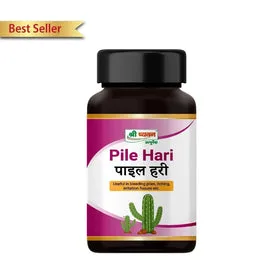
Shri Chyawan Ayurved shares Ayurvedic wellness products for people interested in traditional approaches to health. If you are considering an Ayurvedic piles medicine, read the ingredient list carefully and check the recommended dosage, manufacturer details, and possible side effects.
One point deserves attention: traditional use does not automatically prove that a product relieves piles or heals swollen blood vessels. Reliable clinical evidence for many herbal piles remedies remains limited. Ask a qualified healthcare professional before combining an Ayurvedic preparation with prescribed medicines, particularly if you have other health conditions or take regular medication.
Be cautious of products promising an instant cure or claiming that surgery will never be needed. Severe or persistent piles sometimes require medical procedures, and delaying proper care can make the problem harder to manage.
Simple Habits That Can Make Bowel Movements Easier
Medicine may help with symptoms, but daily habits play a large part in managing piles. Small changes are often more useful than people expect.
Eat more fibre. Include vegetables, fruit, beans, lentils, oats, and whole grains in your meals. Increase fibre gradually, as a sudden change can cause bloating. A fibre supplement may help if your usual diet falls short.
Drink enough water. Adequate fluids help fibre do its job and may make stools easier to pass. Your needs vary with the weather, activity level, and health conditions.
Don't strain on the toilet. Give yourself time, but avoid sitting there scrolling on your phone for twenty minutes. If a bowel movement doesn't happen, get up and try again later.
Respond to the urge. Repeatedly delaying a bowel movement can make stools harder and more difficult to pass.
Stay gently active. Walking and regular movement can support bowel regularity. You don't need an intense workout; even a short walk after a meal may be a useful start.
A warm sitz bath can also soothe the area for some people. Sit in comfortably warm, not hot, water for around 10–15 minutes, then gently pat the skin dry. Avoid heavily scented soaps or products that irritate sensitive skin.
When Should You See a Doctor?
It's tempting to assume that any bleeding during a bowel movement is caused by piles. It may be, but other conditions can cause similar symptoms, so new or unexplained rectal bleeding deserves medical assessment.
Arrange a medical appointment if bleeding keeps returning, pain doesn't improve, a lump becomes increasingly uncomfortable, or symptoms continue despite home care. A doctor can confirm the cause and discuss suitable treatment.
Seek urgent medical care if bleeding is heavy or continuous, you feel faint or unusually weak, or you have severe anal pain accompanied by fever or significant swelling. Black or tarry stools also need prompt medical attention.
For persistent piles, treatment may involve an office-based procedure, such as rubber band ligation for selected internal haemorrhoids. More severe cases sometimes need surgery. The decision depends on the type of piles, the symptoms, and how well simpler treatments have worked.
Choosing Piles Medicine With Care
Searching online for piles tablets, piles cream, or Ayurvedic medicine can leave you with dozens of choices. Start with the symptom you are trying to manage, but don't choose a product based on advertising alone. Check the ingredients, follow the directions, and ask a qualified professional if you are unsure.
It also helps to remember that symptom relief and treating the cause are not always the same thing. A cream may soothe irritation, while fibre and better toilet habits can reduce straining. Some people need a medical examination or a procedure to get lasting relief.
There is no need to feel ashamed about asking for help. Piles are common, and healthcare professionals deal with these symptoms regularly. If pain, itching, or bleeding is affecting your routine, take it seriously rather than putting up with it for months. A sensible combination of medical guidance, suitable symptom relief, and steady bowel habits can make daily life more comfortable.