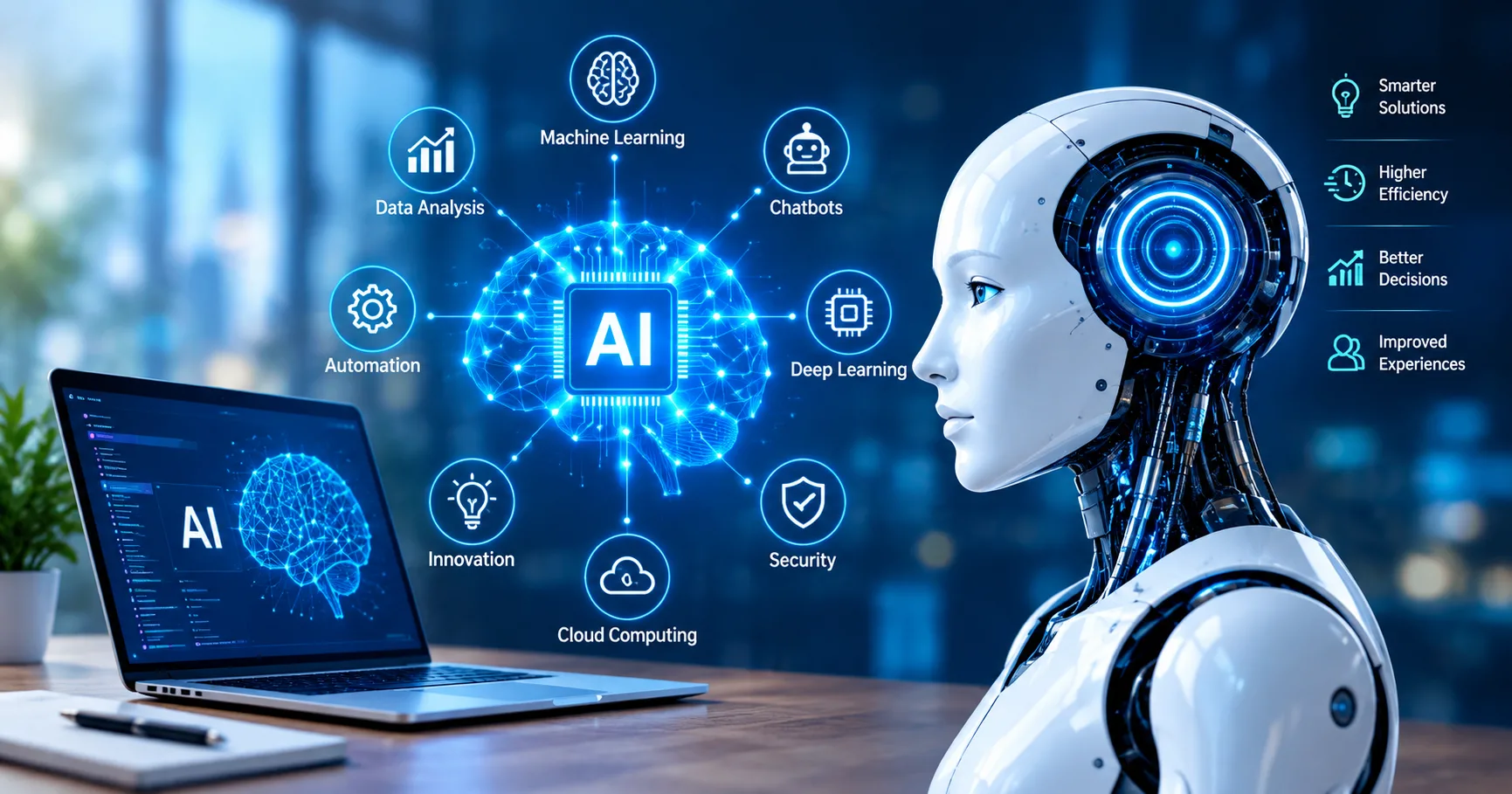
Artificial Intelligence is becoming an important part of modern business as organizations use intelligent systems to improve decisions, automate repetitive work, understand customers, and develop new digital services. This shift is also influencing career expectations for graduates and working professionals who want to enter technology driven roles. However, choosing a training program requires more than comparing course names or advertised features. Students should understand what employers value, how practical learning contributes to employability, and what placement support realistically involves. A well planned learning journey can help candidates build relevant skills, develop professional confidence, and prepare for changing workplace requirements.
Understanding Why Artificial Intelligence Careers Are Expanding
For students evaluating an artificial intelligence course in Coimbatore, understanding the employment landscape is an important starting point. AI is moving into manufacturing, healthcare, finance, retail, logistics, education, and software services. Businesses increasingly need professionals who can work with data, build intelligent applications, automate processes, and translate technical possibilities into useful business outcomes.
Coimbatore provides an interesting environment for AI careers because its economy combines manufacturing, engineering, technology services, healthcare, education, and growing entrepreneurial activity. Industrial organizations can apply AI to quality inspection, demand forecasting, predictive maintenance, and production planning. Service businesses can use intelligent systems for customer analysis, process automation, personalization, and operational decision making.
The growth of AI does not mean every learner should immediately target highly specialized research positions. Entry level opportunities can emerge through related roles such as data analyst, Python developer, machine learning trainee, automation professional, business intelligence associate, or junior AI engineer. Building foundational capabilities first can provide more realistic access to these pathways and create opportunities for later specialization.
What Students Should Expect From Quality AI Training
A strong training program should provide a structured progression rather than presenting disconnected technologies. Students should normally encounter programming and data fundamentals before moving toward machine learning, deep learning, natural language processing, computer vision, or generative AI applications. This sequence helps learners understand why particular methods are used instead of simply memorizing commands or following tutorials.
Students should also expect practical exposure throughout their learning journey. Working with imperfect datasets, solving project problems, debugging code, interpreting results, and explaining technical decisions develops abilities that theoretical lessons alone cannot provide. Projects should ideally resemble workplace situations, allowing learners to understand how an AI solution moves from a business requirement toward implementation and evaluation.
Another important expectation is mentor interaction. Learners can progress faster when experienced instructors explain difficult concepts, review project approaches, identify mistakes, and provide feedback on implementation. A useful program should also encourage questions and experimentation rather than making students dependent on step by step instructions. The objective is to gradually develop independent problem solving ability.
Essential Technical Skills Employers Commonly Assess
Employers hiring junior AI professionals typically expect candidates to demonstrate a combination of programming, data handling, analytical thinking, and machine learning knowledge. Python is particularly useful because it supports data preparation, automation, model development, and experimentation. SQL is also valuable because professional projects frequently require extracting and manipulating information stored in databases.
Students should develop a practical understanding of statistics, probability, data preprocessing, feature engineering, model selection, and evaluation. They should know how to identify data quality problems and understand why accuracy alone may not always be an appropriate performance measure. These fundamentals help candidates explain their decisions during interviews instead of relying entirely on prebuilt libraries.
A useful skill building sequence can include:
- Python programming and object oriented fundamentals
- SQL, data analysis, and data visualization
- Machine learning algorithms and model evaluation
- Deep learning and neural network fundamentals
Generative AI, automation, and application development
Technical knowledge should be supported by communication skills. AI professionals regularly need to explain findings to managers, clients, or colleagues who may not have a technical background. Being able to describe a model, discuss its limitations, and connect results to business objectives can significantly strengthen a candidate's professional profile.
How Projects Build Evidence For Placement Readiness
Project work is one of the clearest ways students can demonstrate whether they have moved beyond theoretical learning. A portfolio should contain projects where the learner has made meaningful decisions, such as selecting a dataset, preparing information, choosing a suitable algorithm, evaluating results, and explaining potential improvements. This evidence can give recruiters a clearer picture of practical capability.
Students should avoid filling portfolios with identical beginner exercises that provide little evidence of independent thinking. A stronger collection could include projects involving customer segmentation, sales forecasting, predictive maintenance, recommendation systems, document classification, or intelligent conversational applications. Each project should clearly communicate the problem being addressed and explain how the proposed solution creates measurable or practical value.
For learners choosing an artificial intelligence course in Coimbatore, project quality should therefore be considered alongside curriculum coverage. Capstone assignments, live client projects, case studies, and internships can provide valuable exposure to realistic requirements. The most useful projects are those that introduce ambiguity and require learners to make decisions, because workplace AI development rarely follows perfectly prepared examples.
What Placement Support Should Realistically Include
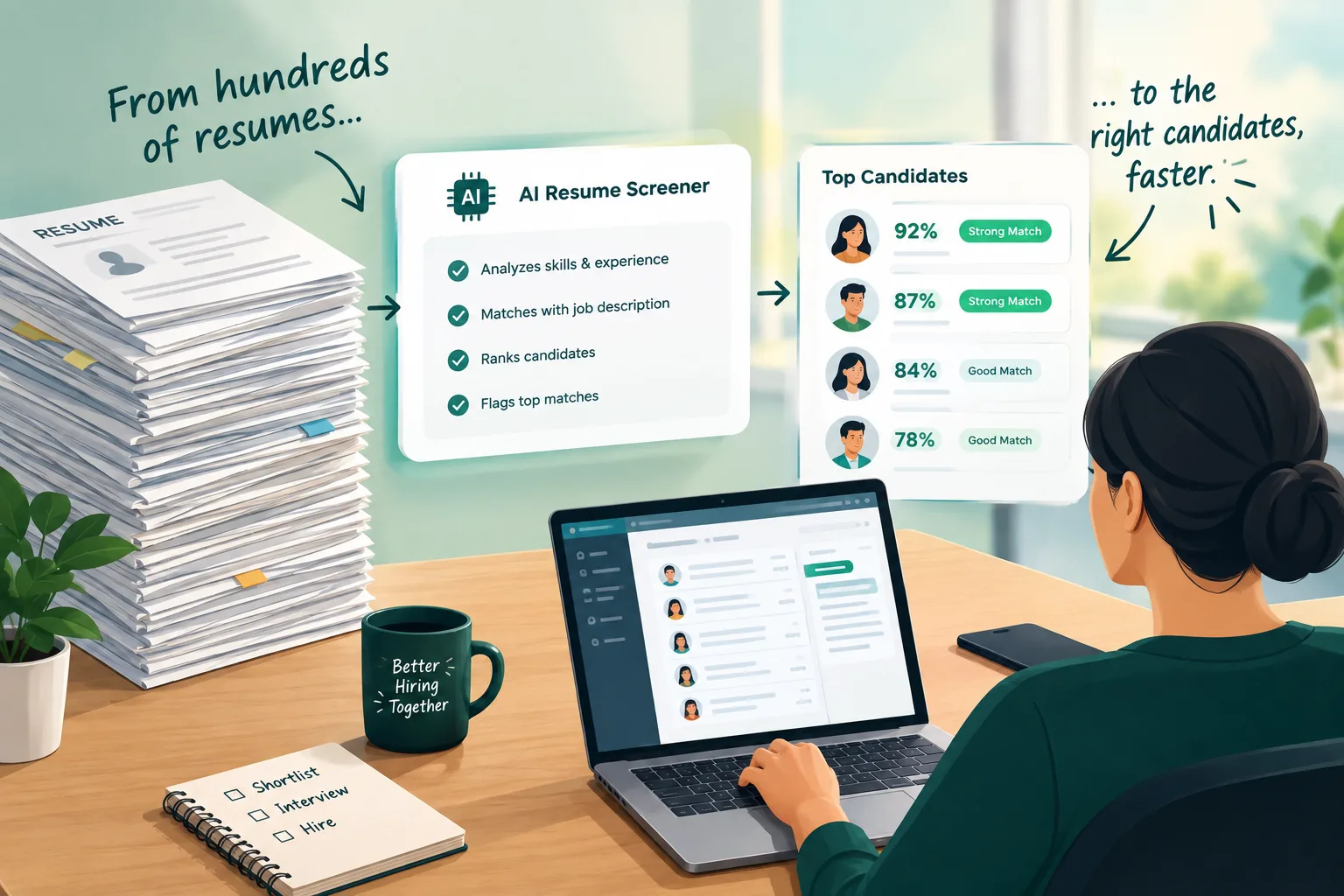
Placement support should be understood as a career preparation process rather than a guaranteed job outcome. A responsible training provider can help candidates improve their resumes, practice interviews, understand employer expectations, identify relevant openings, and prepare for technical assessments. Students should examine exactly what support is included instead of assuming that the word placement represents the same service everywhere.
Good career preparation can cover several stages, beginning with profile development and continuing through interview readiness. Resume reviews can help candidates present projects and skills clearly, while mock interviews can expose gaps in Python, machine learning, statistics, communication, or problem solving. Guidance on professional networking and job search strategies can also help students become more proactive during their search.
Internship exposure can provide another useful bridge between classroom learning and employment. Students can experience deadlines, project communication, documentation, collaboration, and practical problem solving. These experiences may strengthen both technical confidence and professional maturity. However, learners should still take responsibility for their preparation, because placement support works best when students actively build their skills and participate consistently.
Building A Stronger Career Path After AI Training
Students should approach an artificial intelligence training in Coimbatore as a foundation for continuous professional development rather than a final destination. After completing structured training, they can strengthen a chosen specialization through advanced projects, certifications, internships, open source contributions, or workplace assignments. The most sustainable approach is to develop depth in a selected area while maintaining awareness of broader developments across Artificial Intelligence.
A successful AI career requires patience because employers increasingly assess demonstrated ability rather than course completion alone. Candidates should continue refining their portfolios, practicing technical interviews, improving communication, and studying emerging applications relevant to their target industry. Building this combination of knowledge and evidence can make career transitions more credible. Over time, professionals who consistently solve practical problems can move toward increasingly responsible and specialized positions.
The future of AI employment will likely create opportunities for professionals who can connect technology with real organizational needs. Students should therefore choose learning programs based on curriculum depth, mentor quality, practical assignments, project exposure, internship opportunities, and the transparency of career support. Rather than chasing every new AI trend, they should build durable foundations and gradually develop specialization. This approach can help candidates enter the employment market with realistic expectations and a portfolio that demonstrates genuine capability. Career progress will ultimately depend on continued learning, practical experience, adaptability, and the ability to communicate value clearly.
Professionals and students can explore Artificial Intelligence, Machine Learning, Data Science, and Data Analytics through the career-oriented programs at DataMites Institute. Training activities include technical practice, coding tasks, internship experiences, and professional portfolio work, helping learners turn concepts into usable skills. Dedicated mentors offer personalized guidance and constructive feedback throughout the program. Participants also receive career planning assistance, placement support, and interview preparation to improve their readiness for employment opportunities. With IABAC and NASSCOM FutureSkills certifications, learners can add recognized qualifications to their growing technology expertise.