
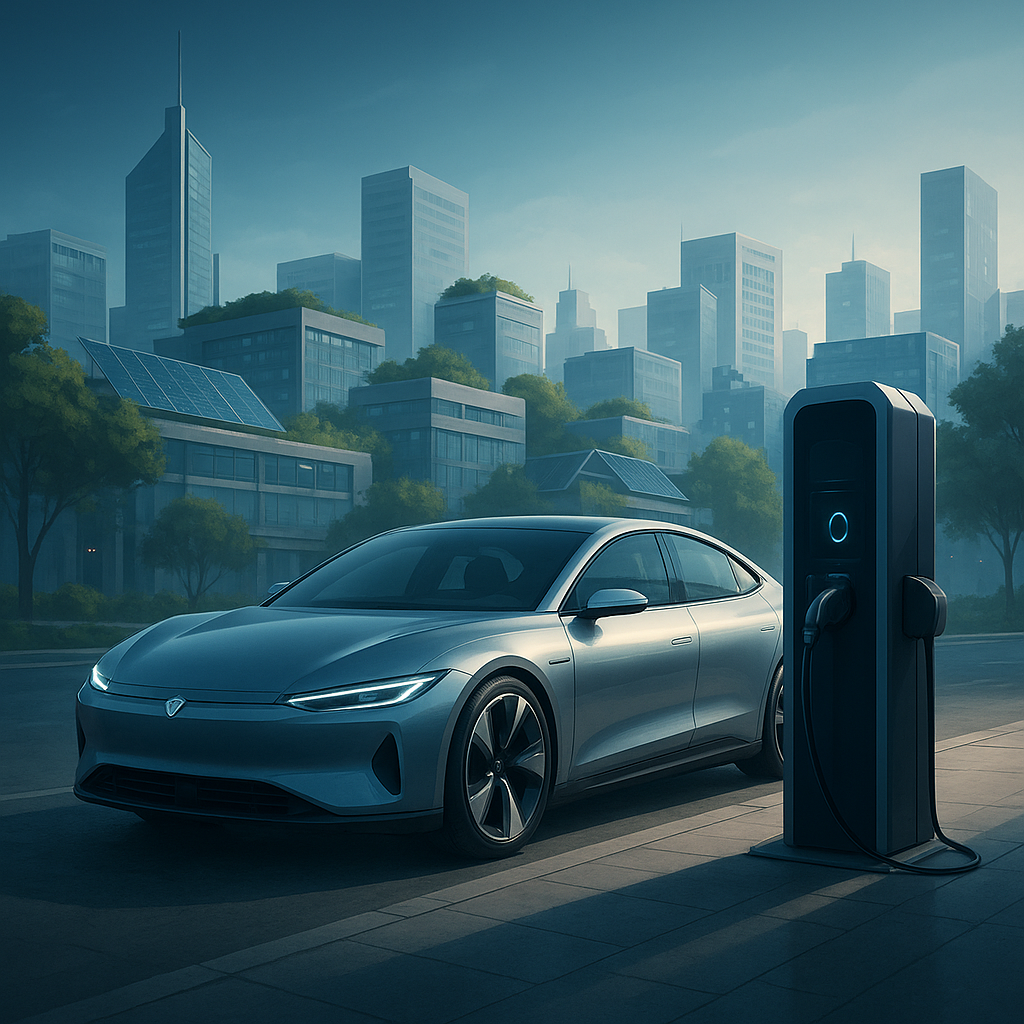
Charging Ahead: The Rise of Electric Vehicles in Consumer Minds
In early 2026, the global automotive market witnessed a remarkable milestone: electric vehicle (EV) sales surpassed 15 million units worldwide, marking a 45% increase from 2025, according to industry estimates. This surge tells a compelling story of shifting consumer preferences, but it also raises an essential question—are consumers truly considering electric vehicles as their next car choice, or is this growth driven by niche segments and policy incentives? To understand the depth of consumer interest in EVs, it is vital to explore the complex interplay of technological advances, market dynamics, environmental awareness, and economic factors shaping this transformation.
Picture a typical car dealership in 2026. The showroom floor no longer features just internal combustion engine (ICE) vehicles; instead, rows of sleek EVs dominate, with customers engaging with digital kiosks to explore battery ranges, charging options, and government rebates. This scene symbolizes a broader cultural shift toward electrification, propelled by consumers’ evolving needs and values. Yet, beneath the surface, opinions remain mixed, with concerns about price, infrastructure, and vehicle choice persisting. This article unpacks these layers to reveal whether electric vehicles have truly entered mainstream consumer consideration.
From Niche to Norm: Tracing the Journey of Electric Vehicles
The story of electric vehicles is rooted in decades of technological experimentation, regulatory pressure, and fluctuating consumer interest. Initially, EVs were regarded as futuristic curiosities, hindered by limited battery technology and high costs. The early 2010s saw pioneers like Tesla challenge this perception by delivering electric cars with compelling performance and design. That decade laid the groundwork for broader acceptance, but adoption remained limited due to range anxiety, charging scarcity, and price premiums.
By the mid-2020s, multiple factors converged to accelerate the EV transition. Governments worldwide implemented stringent emissions regulations and introduced generous incentives. Innovations in lithium-ion and solid-state battery technologies drastically improved range and reduced costs. Meanwhile, public awareness of climate change and urban air quality elevated consumer demand for cleaner transportation alternatives.
However, consumer adoption has never been uniform. According to data compiled from the International Energy Agency and automotive market analysts, early EV buyers tended to be environmentally conscious urban dwellers with higher incomes. Over time, automakers expanded their portfolios, offering electric SUVs, compact cars, and even pickup trucks. This diversification broadened the appeal beyond early adopters, gradually shifting the conversation from niche innovation to a viable mainstream option.
Consumer Considerations: Data-Driven Insights into EV Adoption
To gauge whether consumers are seriously considering electric vehicles, one must examine recent market research and behavioral data. A 2026 global survey conducted by AutoTrends Research covering over 25,000 potential car buyers across North America, Europe, and Asia reveals nuanced attitudes:
- Interest in EVs: 67% of respondents expressed genuine interest in purchasing an electric vehicle within the next three years, a substantial increase from 45% in 2023.
- Main Concerns: The top barriers cited were charging infrastructure availability (48%), upfront cost (41%), and vehicle range (37%).
- Influencing Factors: Environmental impact (58%), fuel cost savings (52%), and government incentives (49%) ranked as the most compelling reasons to consider EVs.
- Demographic Trends: Younger consumers (ages 25-40) showed the highest enthusiasm, while older generations remained more cautious, often citing habitual preferences for ICE vehicles.
These statistics illustrate a growing openness but also highlight persistent hesitations. Price remains a critical factor despite declining battery costs; the average EV sticker price in 2026 is approaching parity with comparable ICE models but still often includes premium features that elevate costs. Furthermore, charging infrastructure, while improved, varies greatly by region, influencing consumer confidence.
Comparing market shares, EVs accounted for an estimated 26% of new car sales in Europe and 22% in the United States in Q1 2026, with China leading at 35%. Industry forecasters anticipate these figures to climb steadily, suggesting that consumer consideration is solidifying into actual purchasing behavior.
2026 Developments: What’s Driving Consumer Interest Today
The current year has brought several notable trends shaping consumer attitudes toward electric vehicles. First, the aftermath of the 2026 oil shock—detailed in our The 2026 Oil Shock Ignited Electric Vehicles’ Rapid Revival article—has heightened awareness of fuel price volatility, reinforcing the economic appeal of EVs with more stable electricity costs.
Second, automakers have expanded their EV lineups, introducing affordable models targeting middle-class buyers. For example, Hyundai’s 2026 Ioniq 6 and Ford’s revamped electric F-150 Lightning have received favorable reviews for balancing price, performance, and utility. These models address earlier gaps in consumer options, particularly in the lucrative pickup and sedan segments.
Third, charging networks have matured substantially. The rollout of ultra-fast DC chargers, combined with home and workplace charging incentives, has mitigated range anxiety for many buyers. Tesla’s Supercharger network expansion and universal fast-charging protocol adoption by multiple manufacturers have enhanced convenience. However, rural and suburban areas still lag behind urban centers in infrastructure density.
Finally, government policies remain a key driver. Many countries have extended or enhanced purchase subsidies, tax credits, and zero-emission vehicle mandates. This regulatory environment sends a clear signal to consumers and manufacturers alike about the future direction of mobility.
“The combination of technological advances, policy support, and shifting consumer values is propelling electric vehicles from novelty to necessity,” said Dr. Helena Marks, a leading automotive market analyst.
Expert Perspectives and Industry Impact
Industry experts broadly agree that consumer interest in electric vehicles is robust and growing but emphasize the importance of addressing remaining barriers. According to a recent panel hosted by the Global Automotive Forum in March 2026, panelists highlighted three critical areas:
- Affordability: While battery prices have fallen by nearly 40% since 2023, experts stress that further cost reductions and innovative financing solutions are essential to reach mass-market consumers.
- Infrastructure expansion: The need for ubiquitous, reliable charging options is paramount. Public-private partnerships are encouraged to accelerate deployment in underserved areas.
- Consumer education: Misinformation and uncertainty about EV maintenance, battery longevity, and resale values persist. Transparent communication and dealership training are vital.
Automakers are responding by investing heavily in research and development, supply chain resilience, and digital sales platforms that improve the buying experience. Strategic alliances between traditional car manufacturers and tech firms have spawned new mobility services that integrate EV ownership with shared and autonomous vehicle options.
These shifts have ripple effects across industries—from energy companies adapting to new demand patterns to urban planners reconsidering traffic flows and parking infrastructure. For consumers, this means EVs are increasingly embedded within a broader reimagining of transportation ecosystems.
“Consumer interest is not just about the vehicles themselves but about how EVs fit into a lifestyle that values sustainability, convenience, and technology integration,” noted automotive futurist Marco Liu.
What to Watch: The Road Ahead for Consumer EV Adoption
Looking forward, several factors will determine whether consumer interest in electric vehicles translates into sustained market growth and mainstream acceptance. Key areas to monitor include:
- Battery breakthroughs: The commercialization of solid-state batteries promises to extend range, reduce charging times, and improve safety, potentially alleviating top consumer concerns.
- Grid integration: As detailed in our Electric Vehicles Are Booming — But the Grid Isn't Ready coverage, the capacity of electrical grids to support widespread EV charging remains a challenge. Advances in smart grid technology and renewable energy integration will be crucial.
- Policy evolution: The trajectory of incentives, emission regulations, and urban access restrictions will shape consumer calculus.
- Secondhand market development: Growing availability of certified pre-owned EVs could lower entry barriers and boost adoption among cost-sensitive buyers.
- Consumer experience innovations: Improvements in vehicle connectivity, user interfaces, and service networks will influence buyer preferences.
Ultimately, consumer consideration of electric vehicles is becoming a complex decision influenced by economic, environmental, technological, and social factors. While challenges remain, the momentum built by recent market trends and innovations suggests electrification is poised to be a defining chapter in automotive history.
For a broader understanding of how EVs are shaping sustainable mobility, see our in-depth analysis at Why Electric Vehicles Are Shaping the Future of Sustainable Mobility.