Modern spaces are no longer defined only by buildings, furniture, landscaping, and functional design. Sculpture can play an equally important role by adding personality, movement, color, and a sense of place. Large-scale sculptural work can transform an ordinary outdoor area, architectural setting, garden, or public space into an environment that encourages people to stop, look, and experience the surroundings differently.
For Davingy, sculpture is closely connected to architecture, engineering, materials, and the environment. His work combines bold forms with reclaimed and found materials, creating pieces that can exist naturally within both urban and outdoor settings. His artistic practice has developed from an interest in drawing and painting into large-scale sculpture using materials such as metal, fiberglass, ceramics, wood, and salvaged industrial objects.
Creating a Strong Visual Connection Between Art and Architecture
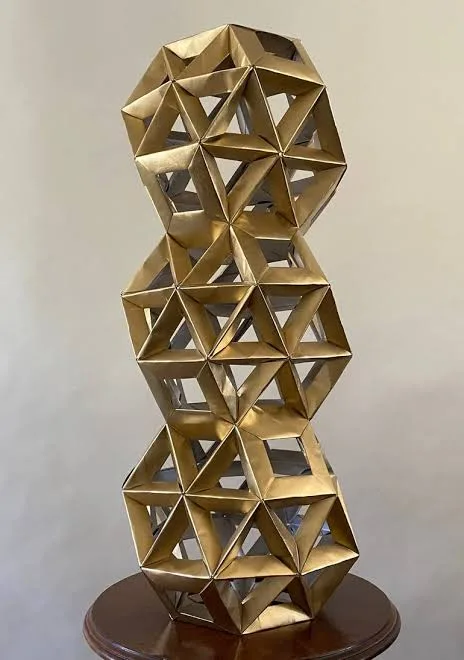
One of the most important contributions sculpture can make to a modern space is creating a visual relationship between the artwork and the surrounding structure. A sculpture does not have to compete with architecture. Instead, its shape, scale, texture, and color can create an interesting conversation with the lines and forms already present in the environment.
An architectural sculpture artist considers how a piece will appear from different viewpoints and how people will experience it as they move around the space. Geometric forms can complement modern buildings, while organic or unexpected shapes can introduce contrast.
Davingy’s work reflects this relationship between sculpture, architecture, and engineering. His approach is not limited to producing an object that simply occupies space. The surrounding environment becomes part of the experience, allowing the sculpture to interact with its setting.
Bringing Color and Energy Into Contemporary Environments
Color can dramatically influence how people experience a space. A carefully positioned sculpture with a strong color palette can become a visual landmark, drawing attention while adding energy to an otherwise neutral environment.
Davingy is known for using vivid colors alongside industrial and reclaimed materials. This combination creates an interesting contrast between the history and texture of salvaged objects and the expressive character of contemporary color. His sculptures can feel playful, energetic, and approachable while still having a strong physical presence.
This approach can be particularly effective in outdoor environments. A brightly finished sculpture can stand against greenery, concrete, architectural surfaces, or open landscapes, creating a changing visual experience as natural light moves throughout the day.
Giving Reclaimed Materials a New Purpose
Modern sculpture can also encourage people to look differently at everyday materials. Objects that have been discarded or forgotten can become valuable creative elements when an artist sees possibilities beyond their original purpose.
Davingy’s practice is strongly connected to reclaimed and found materials. His sculptures have incorporated unexpected objects such as farm equipment, architectural glass, industrial components, and other salvaged elements. Rather than hiding the history of these materials, his work often allows their original character to become part of the finished sculpture.
This gives each work a distinctive identity. Scratches, weathered surfaces, mechanical forms, and signs of previous use can contribute texture and meaning that would be difficult to reproduce with completely new materials.
The result is sculpture that can feel both contemporary and connected to the past.
Making Large Spaces Feel More Memorable
Large outdoor areas can sometimes feel disconnected or visually empty. Sculpture can help establish focal points that guide how people experience a landscape or architectural environment.
Davingy’s Orchard of Art provides a strong example of this approach. The property features more than 50 sculptures positioned throughout an orchard and around a restored historic farmhouse. Instead of presenting the works only inside a traditional gallery, the sculptures become part of the landscape itself.
This type of placement changes the way viewers experience both the artwork and the environment. People can walk around a sculpture, see it against different backgrounds, notice changing perspectives, and observe how the piece interacts with its surroundings.
Supporting Site-Specific and Public Art
Sculpture can also become an important part of public spaces. When artwork is created or selected with a particular location in mind, it can help establish a visual identity for that environment.
Davingy creates site-specific works that respond to their surroundings, whether they are placed in natural landscapes or urban environments. His public work has appeared in different locations across the West Coast, including installations and community sculpture settings.
For public art, the relationship between artwork and location is especially important. A sculpture needs to be considered from multiple viewpoints and at different distances. The scale, materials, finish, and structural requirements all influence how successfully it can function within a public environment.
Davingy’s experience with large-scale work demonstrates how sculpture can move beyond a gallery setting and become part of the everyday experience of a community.
Combining Artistic Expression With Technical Thinking
Large-scale sculpture requires more than an artistic idea. Materials, construction, structural considerations, installation, weather exposure, and the relationship between the sculpture and its location all need to be considered.
Davingy’s background brings together artistic exploration with an interest in welding, architecture, and engineering. This combination allows his work to explore both creative expression and the physical possibilities of different materials.
That balance is particularly valuable when creating substantial outdoor pieces. The sculpture must communicate visually while also being appropriate for its intended environment.
Creating an Experience Rather Than Just an Object
Perhaps the most important contribution sculpture can make to a modern space is the experience it creates.
A successful sculpture can make people pause. It can encourage curiosity, create conversation, provide a memorable landmark, or simply bring a sense of joy to an otherwise ordinary environment.
Davingy’s philosophy reflects this idea. His work explores form, texture, energy, material history, and imagination rather than following a single repeated formula. Each sculpture provides an opportunity to discover something different.
His Psychopops series, for example, brings this accessible quality into smaller-scale contemporary sculpture, while his larger works demonstrate how the same spirit can be translated into monumental environments.
Why Sculpture Matters in Modern Spaces
As architecture and landscape design continue to evolve, sculpture offers another way to give a space character. It can introduce contrast, color, movement, history, texture, and emotion without relying solely on traditional decorative elements.
For Davingy, the process begins with materials and ideas and develops through experimentation. Reclaimed objects can become new forms, industrial elements can become expressive compositions, and outdoor environments can become part of the artwork itself.
This approach makes sculpture more than an accessory to architecture. It allows art and place to work together, creating environments that feel distinctive and engaging.
Bring Original Sculpture Into Your Space
If you are looking for artwork that can add character, color, and a strong visual presence to a contemporary environment, explore Davingy’s collection of large-scale and reclaimed-material sculptures. From outdoor landscapes and gardens to public and architectural settings, each piece offers an opportunity to experience materials and space in a different way.
Explore Davingy’s artwork and discover how an original sculpture can become part of your environment. Contact Davingy to discuss available works, installations, or opportunities to bring a distinctive sculptural experience to your space.
Conclusion
An architectural sculpture artist brings together creativity, materials, structure, scale, and a strong understanding of place. The result can be much more than a decorative object. Sculpture can establish a focal point, introduce color, transform reclaimed materials, connect art with architecture, and create memorable experiences for the people who encounter it.
Davingy’s work demonstrates this approach through bold colors, reclaimed materials, large-scale forms, and sculptures designed to interact with their surroundings. By combining artistic experimentation with architecture and engineering, his work shows how sculpture can become an active part of modern spaces rather than simply something placed within them.