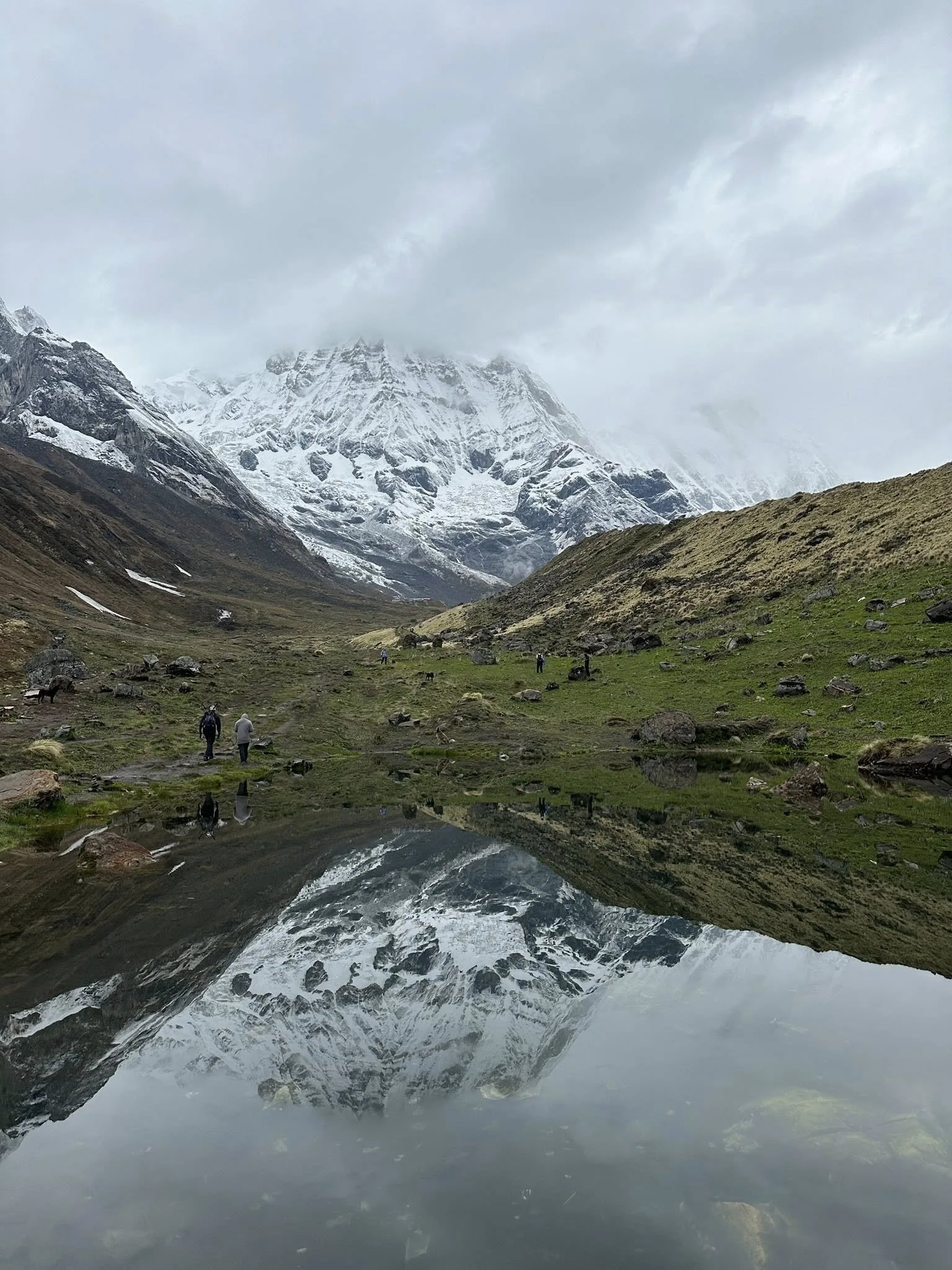
The Annapurna Base Camp Trek is one of Nepal's most popular trekking adventures, attracting thousands of travelers each year. It offers a perfect mix of breathtaking mountain scenery, traditional village life, rich cultural experiences, and peaceful natural surroundings. While many people visit Nepal to see Mount Everest, the Annapurna Base Camp Trek provides an equally rewarding Himalayan experience with a different character. The trail takes you deep into the Annapurna Sanctuary, where towering snow-covered peaks surround you from every direction and create memories that last a lifetime.
The journey begins in the beautiful city of Pokhara, a place known for its peaceful lakes, mountain views, and relaxed atmosphere. From there, the trail passes through charming villages where Gurung and Magar communities have lived for generations. Their warm hospitality gives trekkers the chance to experience local traditions, taste authentic Nepali food, and learn about life in the mountains. Walking through green terraced fields, dense bamboo forests, and colorful rhododendron woodlands makes every day of the trek different from the last. Along the route, suspension bridges cross rushing rivers while waterfalls flow down steep hillsides, adding to the beauty of the landscape.
As the trail climbs higher, the scenery changes dramatically. Thick forests slowly give way to open alpine terrain where the mountains seem much closer. The air becomes cooler, and the views become even more spectacular. Finally, trekkers arrive at Annapurna Base Camp, located at an altitude of 4,130 meters. Standing in the middle of the Annapurna Sanctuary is an unforgettable experience. Massive peaks such as Annapurna I, Machhapuchhre, Annapurna South, and Hiunchuli rise above the surrounding valley, creating one of the most impressive mountain amphitheaters in the world. Watching the first rays of sunlight touch these Himalayan giants is often the highlight of the entire journey.
The Annapurna Base Camp Trek has changed over the years, especially with improvements in transportation. In the past, trekkers had to spend more time walking because road access to the region was very limited. The longer approach allowed visitors to pass through more villages, spend additional nights with local families, and enjoy a slower pace that created a deeper connection with nature and mountain culture. Every step felt like part of the adventure, and the journey itself was just as meaningful as reaching the destination.
Today, better roads have made the trek easier to access. Vehicles can now reach places that once required several days of walking. This has reduced the total trekking time and made the Annapurna Base Camp Trek more suitable for travelers with limited holiday schedules. Families, first time trekkers, and people who cannot spend two or three weeks in Nepal can now enjoy this remarkable journey within a shorter period. Improved transportation has also made it easier to deliver food, construction materials, and daily supplies to remote mountain communities, helping improve local livelihoods and services.
At the same time, modern transportation has brought a few changes to the trekking experience. Some lower sections of the trail now follow roads instead of quiet footpaths, and the peaceful feeling found in earlier years has changed in certain areas. Trekkers who prefer a traditional walking experience may miss some of the old routes that once connected isolated villages. Even so, once the trail enters the forests and climbs toward Machhapuchhre Base Camp and Annapurna Base Camp, the road disappears, and the true beauty of the Himalayas returns. The peaceful forests, fresh mountain air, and spectacular snow covered peaks continue to provide the unforgettable experience that has made this trek famous around the world.
The best seasons for the Annapurna Base Camp Trek are spring from March to May and autumn from September to November. During these months, the weather is usually stable, the mountain views are clear, and the trails are in excellent condition. Spring fills the forests with blooming rhododendrons, Nepal's national flower, while autumn offers crystal clear skies after the monsoon season. Winter also attracts adventurous trekkers who enjoy quiet trails and snowy landscapes, although colder temperatures require extra preparation.
The trek is considered moderately challenging, making it suitable for people with a reasonable level of fitness. Regular walking or light exercise before arriving in Nepal helps prepare for the journey. Walking at a comfortable pace, drinking plenty of water, and taking time to enjoy the scenery allow trekkers to appreciate every moment of the adventure.
The Annapurna Base Camp Trek is much more than a walk through the mountains. It is an opportunity to discover Nepal's natural beauty, experience genuine local hospitality, and witness some of the highest mountains on Earth from close range. Although transportation has made the region easier to reach than it was in the past, the heart of the journey remains unchanged. The peaceful villages, beautiful forests, dramatic landscapes, and unforgettable mountain views continue to inspire travelers from around the world. Whether you choose a shorter modern itinerary or a longer traditional route, the Annapurna Base Camp Trek remains one of the finest trekking experiences the Himalayas have to offer.