
Unveiling Ecommerce’s Transformation: A Snapshot from 2026
Imagine a bustling online marketplace where artificial intelligence anticipates a shopper’s desires before they even type a query, where products arrive via carbon-neutral drones, and where digital storefronts adapt dynamically to each visitor’s preferences. This is not a future fantasy but the reality of ecommerce in 2026. Global ecommerce sales have surged beyond $8.7 trillion this year, according to industry estimates, marking an unprecedented expansion fueled by technological breakthroughs and evolving consumer values. The sector’s growth is no longer driven solely by convenience or price competition but increasingly by innovations that enhance personalization, sustainability, and seamless integration with everyday life.
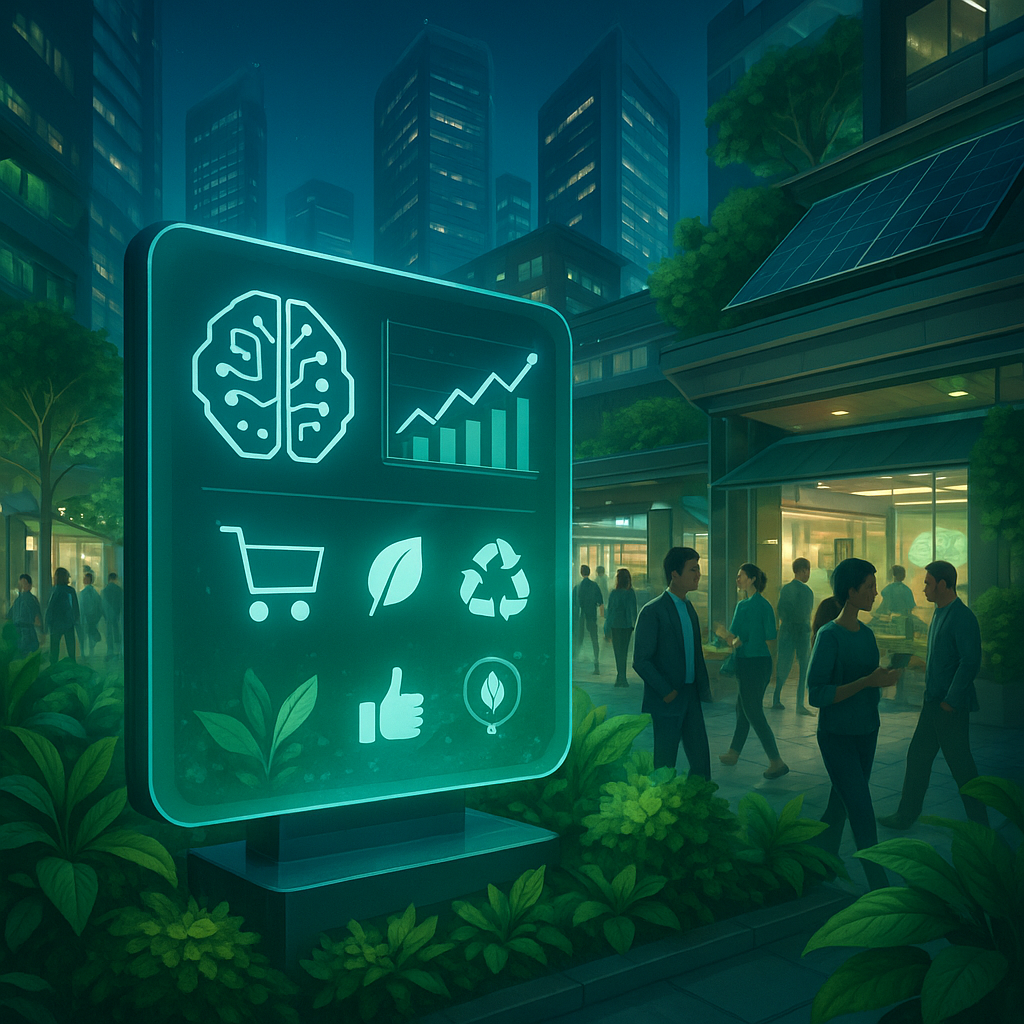
Consider the recent example of EcoCart, a platform that integrates AI-powered recommendations with real-time carbon footprint calculations for every product. Customers can now make purchasing decisions while understanding their environmental impact instantly. This fusion of commerce and consciousness epitomizes the seismic shifts reshaping ecommerce today.
“The convergence of AI and sustainability is not a niche trend but the defining axis of ecommerce’s evolution,” notes Dr. Maya Reynolds, a leading analyst at the Global Retail Institute.
Such transformations are rooted in years of technological advances and shifting societal demands. To grasp where ecommerce is headed, it’s vital to explore the journey that brought us here.
Tracing Ecommerce’s Evolution: From Clicks to Consciousness
The ecommerce trajectory over the past two decades has been marked by relentless innovation and disruption. By the early 2020s, ecommerce had firmly established itself as a staple of global retail, propelled by the ubiquity of smartphones and mobile internet. The COVID-19 pandemic accelerated this shift, compelling millions to embrace online shopping out of necessity, leading to a permanent recalibration of consumer behaviors.
However, early ecommerce focused predominantly on scale and efficiency—massive product catalogs, rapid delivery options, and competitive pricing. The rise of digital marketplaces like Amazon and Alibaba set new standards for convenience and variety. Yet, this growth came with challenges: environmental concerns due to packaging waste and emissions, rising consumer demand for ethical sourcing, and increasing regulatory scrutiny.
By the mid-2020s, these pressures catalyzed a new wave of innovation aimed at embedding sustainability and intelligence into ecommerce ecosystems. Advances in AI, machine learning, and data analytics enabled hyper-personalized shopping experiences, while blockchain and IoT technologies improved supply chain transparency and product traceability.
Moreover, consumer demographics shifted. Gen Z and younger cohorts championed ethical consumption, prioritizing brands demonstrating social and environmental responsibility. Ecommerce companies responded by integrating sustainability metrics into product listings and adopting circular economy principles.
These foundational changes underpin the current landscape, where ecommerce is no longer just about buying and selling but facilitating responsible, intelligent consumerism.
Data-Driven Insights: The Engines Powering Ecommerce’s Growth
Understanding ecommerce’s momentum requires a deep dive into the data shaping its expansion and innovation. Recent market research from the Retail Innovation Forum reveals several compelling trends:
- AI-Driven Personalization: Over 78% of ecommerce platforms now utilize AI algorithms to tailor product recommendations, increasing average order values by up to 30%.
- Green Logistics: Sustainable delivery options have grown by 65% since 2023, with 40% of consumers willing to wait longer for carbon-neutral shipping.
- Mobile Commerce Dominance: Mobile devices account for 72% of all ecommerce transactions globally, emphasizing the need for responsive and adaptive interfaces.
- Social Commerce Expansion: Sales via social media platforms have tripled in three years, fueled by integrated shopping features and influencer partnerships.
- Subscription and SaaS Models: Recurring revenue models now represent 28% of ecommerce revenues, aided by SaaS tools simplifying inventory and customer relationship management.
These data points illustrate a sector that is not only growing but maturing into a sophisticated ecosystem driven by technology and consumer values. Platforms like Shopify and BigCommerce have evolved to offer comprehensive SaaS solutions, allowing merchants to scale while integrating AI-powered analytics and sustainability dashboards.
“Data is the new currency in ecommerce, enabling companies to optimize every touchpoint from discovery to delivery,” explains Raj Patel, CTO of Nexus Commerce Solutions.
Comparisons with traditional retail highlight ecommerce’s superior agility and innovation adoption. While brick-and-mortar stores contend with fixed physical constraints, online platforms continuously evolve through software updates and ecosystem partnerships.
2026 Milestones: What’s New in Ecommerce This Year?
The current year marks a watershed moment defined by several key developments:
- AI-Enhanced Visual Search: Advanced image recognition now allows shoppers to upload photos and receive instant matches, dramatically improving product discovery and reducing friction.
- Carbon-Neutral Marketplace Initiatives: Major players like Amazon and Walmart have committed to achieving net-zero emissions in their ecommerce operations by 2030, with pilot programs already showing promising results.
- Augmented Reality (AR) Shopping: AR features have become mainstream, enabling customers to virtually try on clothing or visualize furniture in their homes before purchasing.
- Blockchain for Trust: Transparent supply chains secured by blockchain have become standard practice for premium and ethical brands, increasing consumer confidence.
- AI Customer Support: Conversational AI chatbots now handle over 90% of first-level customer inquiries, improving responsiveness and reducing operational costs.
These milestones represent a leap forward in how ecommerce platforms engage consumers and address longstanding challenges. The integration of immersive technologies and sustainability frameworks is particularly transformative, blending convenience with conscience.
Notably, these advances align with findings from our sister article, Ecommerce in 2026: Trends, Challenges, and the Road Ahead, which details the sector’s ongoing pivot toward responsible innovation and customer-centric design.
Voices from the Field: Industry Leaders on Ecommerce’s Future
To contextualize these trends, we consulted several ecommerce pioneers and analysts who underscore the sector’s dynamic trajectory.
“Ecommerce is no longer transactional; it’s relational. Brands that leverage AI to build meaningful customer connections while committing to sustainability will lead the market,” asserts Elena Martinez, CEO of GreenCart.
Experts emphasize that technology alone isn’t sufficient. Holistic strategies encompassing product sourcing, packaging, and post-sale engagement are essential to meet rising consumer expectations.
Moreover, SaaS providers are pivotal enablers, equipping merchants with scalable tools to implement these strategies efficiently. As noted by Raj Patel, SaaS solutions integrating AI, analytics, and sustainability metrics are key to democratizing ecommerce success.
Industry impact extends beyond commerce into employment and urban logistics. Automation and AI reduce repetitive tasks, reshaping workforce needs, while sustainable delivery models reduce congestion and pollution in dense urban areas.
These perspectives highlight ecommerce’s multifaceted influence and the collaborative efforts required across technology, policy, and business to sustain its growth responsibly.
Looking Ahead: What Ecommerce Must Watch and Adapt To
Despite robust growth, ecommerce faces challenges and opportunities that will define its next phase:
- Regulatory Landscape: Increasing data privacy and environmental regulations will require agile compliance and transparent practices.
- Consumer Behavior Shifts: Demand for authenticity and ethical practices will intensify, pressuring brands to demonstrate genuine commitments rather than token gestures.
- Technology Integration: Continued advancements in AI, AR, and blockchain will necessitate ongoing investment and innovation to stay competitive.
- Global Market Dynamics: Expanding ecommerce in emerging markets will require localized strategies sensitive to cultural and infrastructural contexts.
- Supply Chain Resilience: Recent geopolitical disruptions have underscored the need for diversified, transparent, and flexible supply networks.
To thrive, ecommerce businesses must embrace a mindset of continuous adaptation, supported by data-driven insights and collaborative ecosystems. Leveraging resources like TheOmniBuzz’s extensive coverage on ecommerce and SaaS can provide valuable guidance.
As the sector evolves, the intersection of AI and sustainability will remain central, shaping not just what we buy but how and why we buy it.
“The future belongs to ecommerce platforms that marry technological excellence with ethical responsibility,” concludes Dr. Maya Reynolds.
For deeper understanding, readers might enjoy exploring related analyses such as Electric Vehicles Are Booming — But the Grid Isn't Ready, which parallels the sustainability challenges faced by ecommerce logistics.