
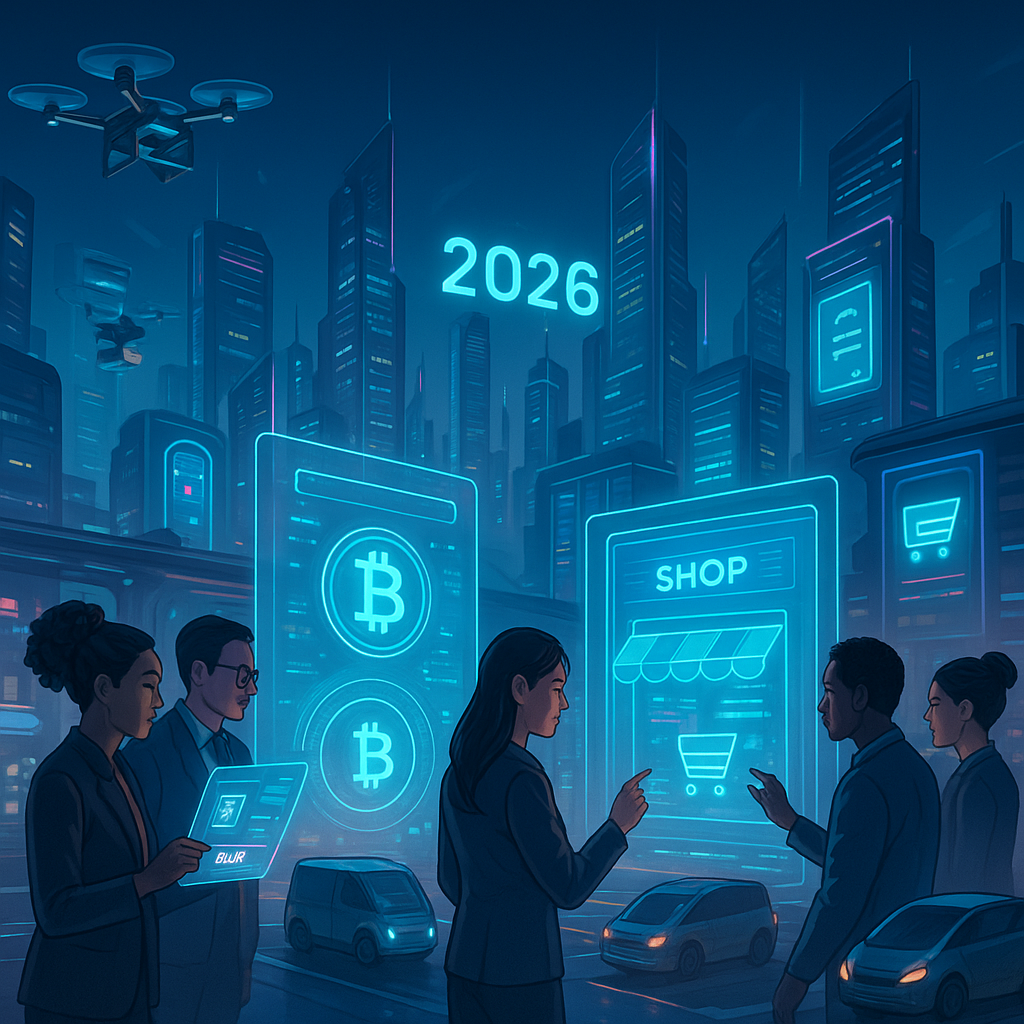
Setting the Stage: ecommerce's Unstoppable Growth in 2026
As of early 2026, ecommerce continues to redefine global commerce with unprecedented velocity and sophistication. Global online retail sales are projected to surpass $7.5 trillion this year, according to industry estimates, marking a near 20% increase compared to 2024. This explosive growth is fueled by innovations in technology, evolving consumer behaviors, and the integration of new business models. Consider the bustling digital marketplace of Shanghai during the recent Singles' Day event: billions of dollars exchanged within hours, powered by AI-driven personalization and frictionless payment systems. The scale of this digital commerce phenomenon illustrates how ecommerce has moved beyond convenience to become an indispensable component of everyday life worldwide.
The rapid adoption of mobile commerce, social commerce, and immersive shopping experiences has also reshaped how consumers discover, evaluate, and purchase products. Brands and retailers now face mounting pressure to not only secure online visibility but also deliver seamless, engaging, and trustworthy interactions. Against this backdrop, understanding ecommerce's current landscape and future trajectory is critical for businesses and consumers alike.
Historical Context: Ecommerce’s Evolution to 2026
The roots of ecommerce trace back to the 1990s with the rise of online marketplaces like Amazon and eBay. Over three decades, the sector evolved from basic product listings and email orders to complex, AI-powered platforms supporting omnichannel approaches. The 2020s marked a turning point when the Covid-19 pandemic accelerated digital adoption, pushing millions of new consumers online and forcing traditional retailers to embrace ecommerce or risk obsolescence.
Between 2020 and 2025, key trends shaped ecommerce’s trajectory:
- Mobile-first commerce: Over 75% of ecommerce purchases by 2025 were made on smartphones, signaling mobile as the dominant channel.
- AI and personalization: Advanced algorithms enabled hyper-targeted product recommendations and dynamic pricing models.
- Social commerce: Platforms like TikTok, Instagram, and emerging Asian apps integrated seamless shopping features, blurring entertainment and retail.
- Supply chain innovations: Real-time logistics tracking, drone deliveries, and localized micro-fulfillment centers improved speed and reliability.
- Sustainability focus: Consumers demanded eco-friendly packaging, ethical sourcing, and circular business models.
This era also saw the rise of subscription-based ecommerce and the embedding of SaaS solutions that empowered small and medium businesses to compete globally. The groundwork laid in the past decade has set the stage for the complex, interconnected ecommerce ecosystem we witness in 2026.
Dissecting 2026: Key Trends and Data-Driven Insights
The ecommerce environment in 2026 is characterized by deep integration of technology and consumer-centric innovation. Recent data from market analysts highlights several defining features shaping the sector today.
1. AI-Enabled Customer Experience and Automation
AI-driven chatbots, virtual shopping assistants, and automated inventory management have become standard. Companies deploying AI report a 25-35% increase in customer retention, according to industry surveys. These tools personalize marketing outreach and streamline operations, effectively reducing costs.
2. The Metaverse and Immersive Shopping
Virtual reality (VR) and augmented reality (AR) technologies have matured, enabling immersive ecommerce platforms where shoppers can virtually try products, attend live events, or explore digital storefronts. Brands like Nike and Gucci have launched metaverse-exclusive collections, driving engagement among younger demographics.
3. Voice Commerce Expansion
Voice-activated shopping via smart speakers and mobile devices now accounts for an estimated 15% of ecommerce sales globally. The technology's hands-free convenience appeals to multitasking consumers, particularly in home and automotive contexts.
4. Sustainability as a Competitive Differentiator
Consumers increasingly prioritize brands with transparent, sustainable practices. According to recent consumer polls, over 60% of online shoppers in developed markets factor environmental impact into their purchase decisions. Companies investing in renewable packaging and carbon-neutral delivery are seeing measurable sales uplifts.
5. Cross-Border Ecommerce Growth
Advancements in payment gateways, international logistics, and localized marketing have expanded cross-border ecommerce opportunities. Global sales from cross-border transactions are expected to reach 30% of total ecommerce revenue this year.
“The convergence of AI, immersive tech, and sustainability initiatives defines the next chapter of ecommerce. Companies that adapt rapidly will secure leadership positions,” says Dr. Elaine Forester, a leading ecommerce strategist.
2026 Ecommerce: A Snapshot of Leading Markets and Sectors
- Asia-Pacific: Largest regional market with China, India, and Southeast Asia driving innovation and volume.
- North America: Mature market with high adoption of omnichannel and subscription commerce.
- Europe: Focus on regulation compliance and sustainable ecommerce practices.
- Key sectors: Fashion, electronics, groceries, and health & wellness continue to dominate online sales.
- Emerging sectors: Digital goods, virtual experiences, and B2B ecommerce show rapid growth.
Voices from the Industry: Expert Perspectives and Market Impact
Industry leaders emphasize that ecommerce in 2026 is not just a sales channel but a strategic ecosystem. According to Jessica Tan, CEO of a global ecommerce SaaS provider, “Our platform’s AI-driven analytics empower retailers to anticipate trends and adjust inventory dynamically, minimizing waste and maximizing revenue.” This shift from reactive to proactive commerce is a hallmark of current market dynamics.
Meanwhile, logistics experts highlight last-mile delivery innovations as a competitive battleground. Autonomous delivery vehicles and eco-friendly packaging solutions are becoming differentiators that influence customer loyalty.
From a consumer standpoint, trust and data privacy remain paramount. Companies are investing heavily in cybersecurity and transparent data policies to comply with evolving regulations like the EU’s Digital Markets Act and similar laws worldwide.
“Ecommerce is evolving into a trust economy where transparency and ethical practices directly influence brand value,” notes cybersecurity analyst Mark Alvarez.
These expert insights underscore how ecommerce’s multifaceted nature impacts every stakeholder, from manufacturers to end consumers, and influences broader economic and social trends.
Looking Ahead: What to Watch in Ecommerce Beyond 2026
As we look forward, several emerging forces will shape ecommerce’s trajectory:
- Quantum computing: Promising breakthroughs in data processing could revolutionize personalization and logistics optimization.
- Expansion of decentralized commerce: Blockchain-powered marketplaces may enable peer-to-peer transactions with enhanced transparency.
- AI-driven creativity: Automated product design and marketing content generation could reduce time-to-market.
- Regulatory evolution: Governments will increasingly regulate digital commerce to protect consumers and ensure fair competition.
- Integration with physical retail: Hybrid models blending online and offline experiences will become normative.
Businesses must remain agile, investing in technology and customer experience while aligning with sustainability and ethical standards. Consumers, meanwhile, will enjoy richer, more personalized shopping environments with greater convenience and choice.
For those interested in broader technology impacts on industries, the ongoing shifts in automotive innovation offer parallels worth exploring. You might enjoy The State of Cars in 2026: Innovation, Sustainability, and Market Dynamics for insights on how digital transformation is reshaping an entirely different sector.
Similarly, navigating career transitions in this dynamic ecommerce environment requires data-driven strategies. For guidance, see Career Advice in 2026: Navigating Change with Data-Driven Strategies.
Case Studies: Ecommerce Success Stories in 2026
Case Study 1: Lumea Cosmetics
Lumea, a mid-sized beauty brand, leveraged AI-powered customer profiling and AR try-on technology to boost online sales by 45% in the past year. Their investment in sustainable packaging and carbon-neutral logistics helped capture the growing environmentally conscious demographic. Lumea’s success illustrates how integrating technology and sustainability can drive competitive advantage.
Case Study 2: ShopEase Marketplace
This emerging cross-border ecommerce platform capitalized on advanced translation algorithms and localized payment options to expand rapidly across Southeast Asia and Europe. By partnering with local micro-fulfillment centers, ShopEase reduced delivery times by 30%, significantly improving customer satisfaction.
These examples demonstrate how innovation and strategic execution combine to yield tangible ecommerce growth in 2026.
Conclusion
The ecommerce sector in 2026 stands at a vibrant crossroads, powered by technological innovation, shifting consumer values, and evolving global markets. Businesses that strategically harness AI, immersive technologies, and sustainability while maintaining trust and agility will thrive. Meanwhile, consumers benefit from enriched, seamless shopping experiences tailored to their preferences and values.
As ecommerce continues to weave deeper into daily life and the global economy, staying informed and adaptive is imperative. For ongoing coverage and expert analysis, explore more on TheOmniBuzz’s eCommerce & SaaS section.