For decades, eCommerce brands optimized for human shoppers through SEO, ads, reviews, and product content. Today, AI-powered tools increasingly guide product research, comparisons, and buying decisions. This shift is reshaping online discovery because AI evaluates products differently than humans...
Humans and AI Evaluate Products Differently
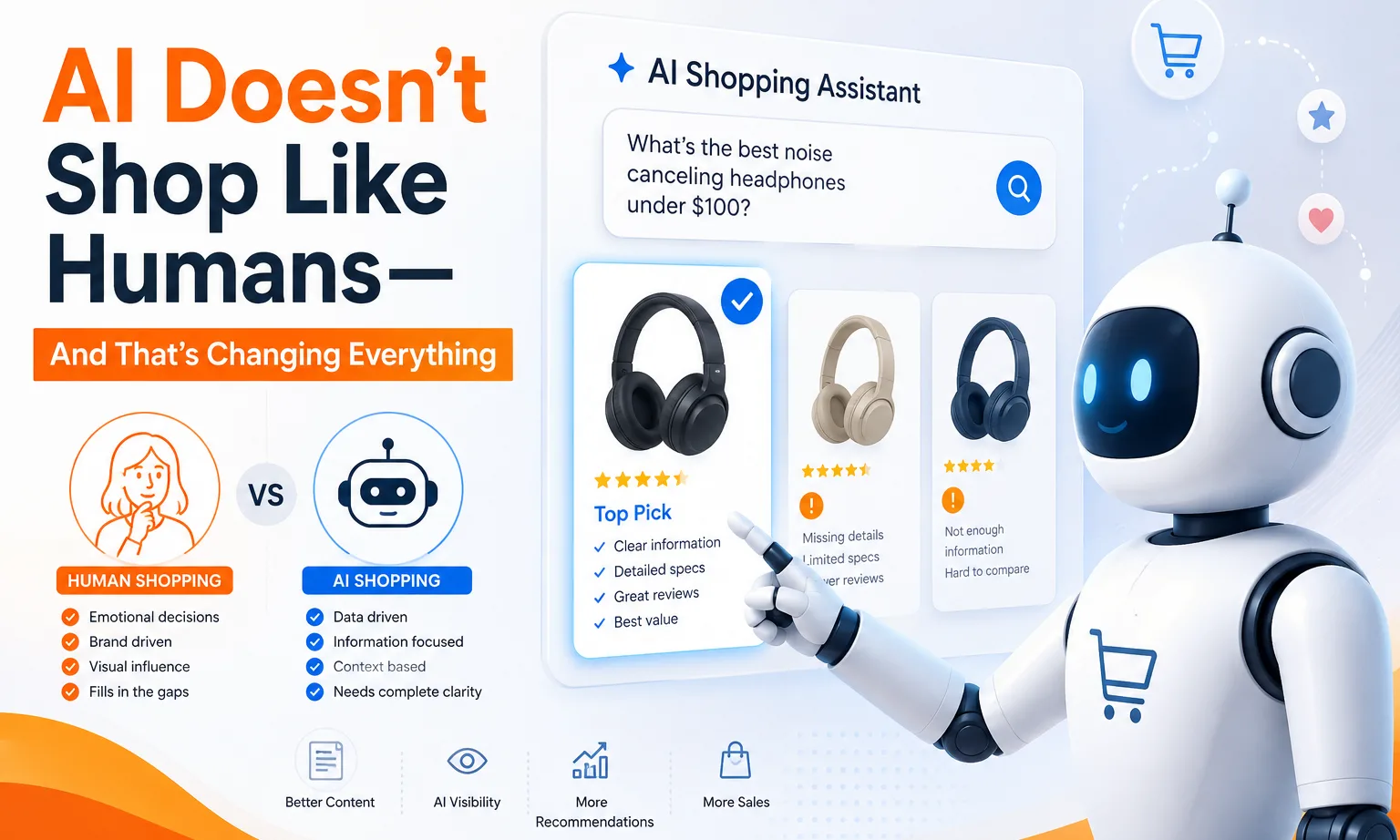
Human shoppers often make decisions based on emotion, brand recognition, visual appeal, and personal preferences. A customer may choose a product because they trust the brand, like the packaging, or saw a positive review on social media.
AI shopping assistants take a completely different approach.
Instead of relying on emotions, AI analyzes the information available about a product. It looks for facts, context, specifications, benefits, and evidence that a product matches a shopper's needs. If the information is incomplete or difficult to understand, AI may overlook the product altogether.
This means that even high-quality products can struggle to gain visibility if their content is not optimized for AI-driven shopping experiences.
Why Product Content Matters More Than Ever
As AI becomes a bigger part of the buying journey, product content is becoming one of the most important factors influencing recommendations.
When AI evaluates a product, it tries to understand:
- What problem the product solves
- Who the product is designed for
- Key features and benefits
- Product specifications and attributes
- How it compares to alternatives
- Customer use cases
If this information is missing, AI has less confidence in recommending the product.
Brands that provide comprehensive and structured product information are more likely to be surfaced in AI-generated recommendations.
The Rise of Agentic Commerce
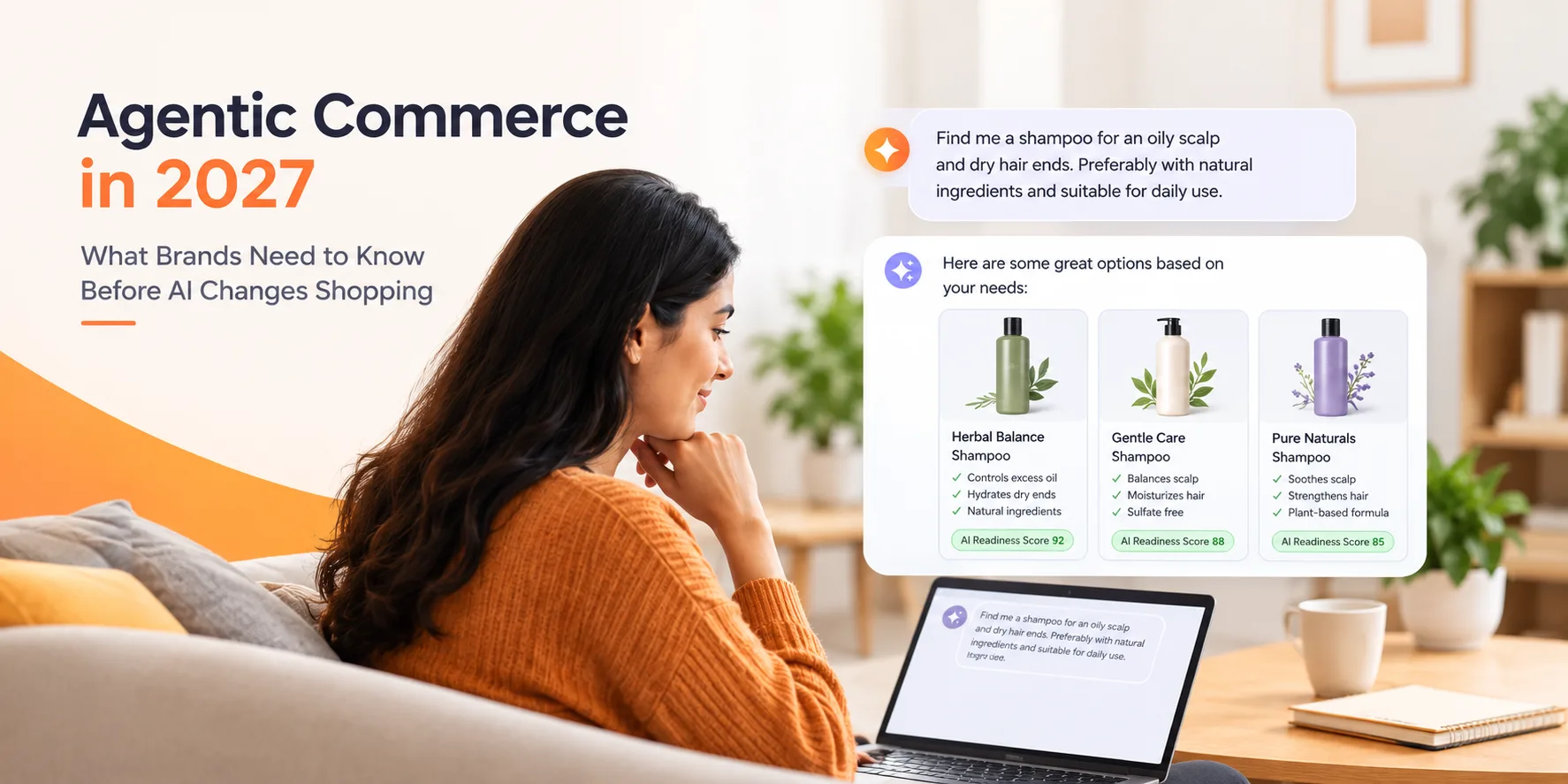
The growth of AI shopping assistants is driving a new era known as Agentic Commerce.
Instead of manually browsing dozens of websites, consumers can ask AI assistants questions such as:
"What's the best wireless headset for remote work under $100?"
The AI agent then evaluates available options and recommends products that best match the request.
In this environment, ranking on a search engine is no longer enough. Products must also be understandable and trustworthy from an AI's perspective.
This shift is forcing brands to rethink how they create and manage product content.
How Brands Can Improve AI Visibility
To succeed in AI-powered shopping, businesses should focus on improving their product detail pages (PDPs) and ensuring product information is complete.
Key areas include:
- Detailed product descriptions
- Complete product attributes
- Benefit-focused content
- Frequently asked questions
- Comparison tables
- Structured data and schema markup
- High-quality product images
The goal is to help AI systems quickly understand what makes a product valuable and who it is best suited for.
Final Thoughts
AI is rapidly becoming an influential part of the online shopping journey. Unlike human shoppers, AI doesn't respond to branding or visual appeal alone. It relies on clear, structured, and comprehensive information to evaluate products and generate recommendations.
As Agentic Commerce continues to grow, brands that invest in better product content, PDP optimization, and AI readiness will be in a stronger position to win visibility and sales. Solutions like Enaiblex help businesses measure and improve their AI readiness through ACO scoring and product content optimization, ensuring products are easier for AI shopping agents to discover, understand, and recommend.