
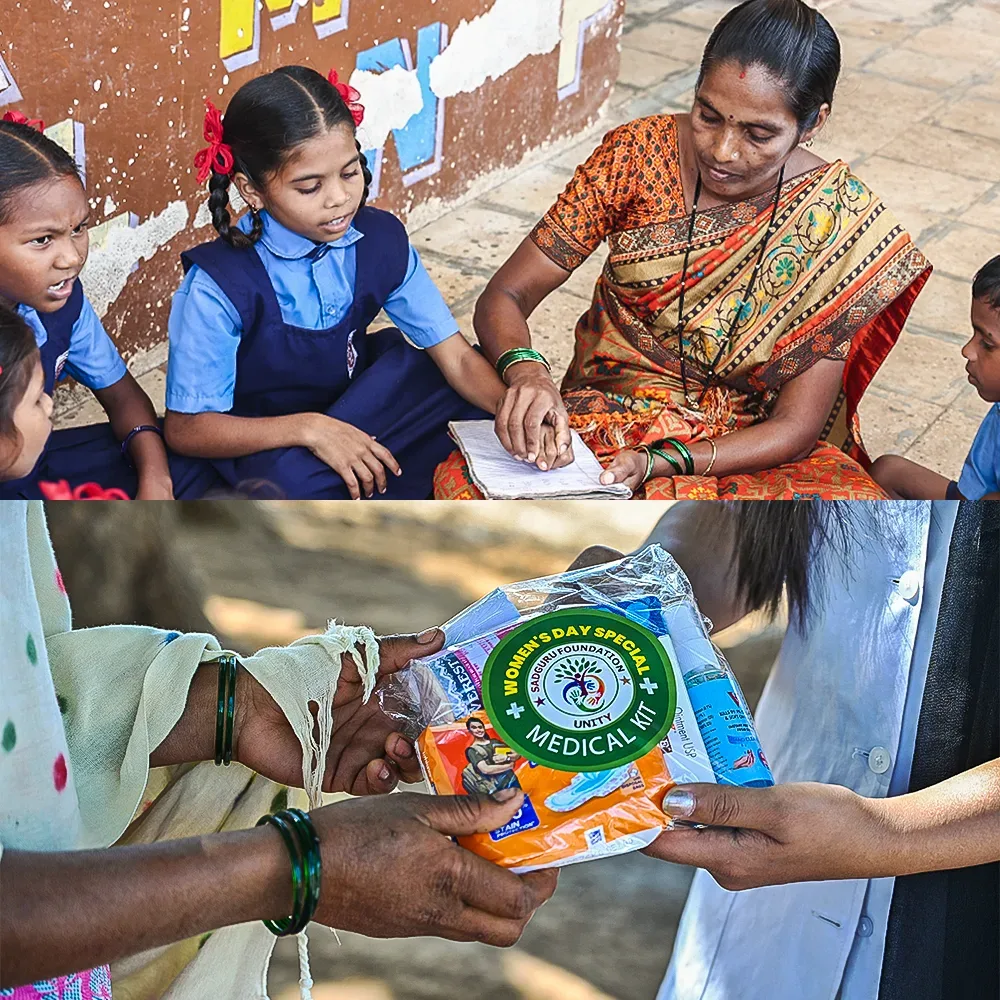
In a country as vast and diverse as India, hunger remains a persistent challenge despite economic progress. Millions of people still struggle to access basic nutrition, making it essential for individuals and communities to step forward and contribute. When you choose to donate money to charity in India, especially with a focus on hunger relief, you become part of a solution that directly impacts lives by ensuring food security and dignity for those in need.
Hunger is not just the absence of food; it is a complex issue tied to poverty, unemployment, and lack of access to resources. Malnutrition affects children’s growth, weakens immunity, and reduces productivity among adults. This makes hunger relief not only a humanitarian responsibility but also a critical step toward national development.
One of the most effective ways to address this issue is to donate for hunger relief initiatives that focus on providing meals, nutritional support, and sustainable food programs. Financial contributions allow charities to scale their operations efficiently, purchase food in bulk, and reach remote or underserved communities. Unlike in-kind donations, monetary support offers flexibility, enabling organizations to allocate resources where they are needed most.
Transparency and accountability are key considerations when making a donation. Before contributing, it is important to understand how funds are utilized. Look for organizations that provide clear reporting, measurable outcomes, and regular updates. This ensures that your contribution is making a tangible difference. Additionally, many charitable contributions in India qualify for tax benefits under applicable laws, which can further encourage individuals to participate in philanthropic activities.
Another important aspect of hunger relief is sustainability. While immediate food distribution is crucial during emergencies, long-term solutions such as community kitchens, skill development, and agricultural support create lasting impact. Donations can help fund programs that empower individuals to become self-sufficient, reducing dependency over time.
Technology has also made it easier than ever to contribute. With digital payment systems, anyone can support hunger relief initiatives from the comfort of their home. Online platforms provide detailed insights into ongoing campaigns, allowing donors to choose causes that align with their values. This convenience has significantly increased participation, especially among younger generations who prefer quick and secure transactions.
Corporate involvement through Corporate Social Responsibility (CSR) initiatives has further strengthened hunger relief efforts in India. Businesses are increasingly recognizing their role in social welfare and are allocating funds to support food security programs. However, individual contributions remain equally important, as they collectively create a powerful force for change.
It is also worth noting that even small donations can have a significant impact. When combined with contributions from others, they can fund large-scale initiatives such as mid-day meal programs, disaster relief food distribution, and nutrition campaigns. The cumulative effect of these efforts can transform entire communities.
Beyond financial contributions, spreading awareness about hunger and encouraging others to donate can amplify your impact. Social media, community groups, and local networks can be powerful tools to mobilize support and create a culture of giving. When more people become aware of the issue, the likelihood of sustained action increases.
In conclusion, addressing hunger in India requires a collective and sustained effort. Choosing to contribute financially is one of the most direct and effective ways to make a difference. When you decide to donate thoughtfully and consistently, you are not just providing food—you are offering hope, health, and a chance at a better future.