
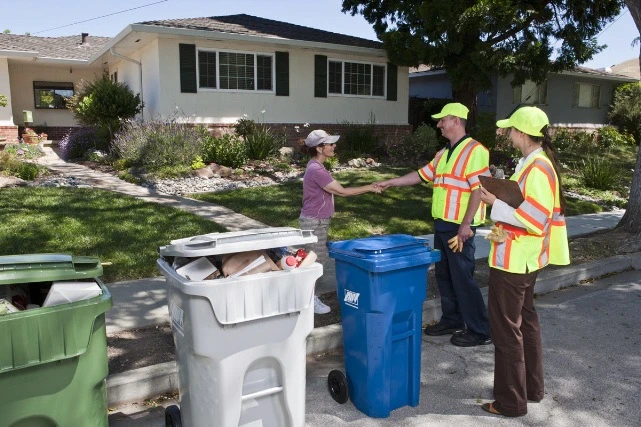
As environmental concerns grow and conscious consumerism becomes more mainstream, 2025 is the perfect time to evaluate how your daily habits impact the planet. Being a responsible consumer doesn’t mean living a minimalist lifestyle or giving up all modern conveniences—it means making smarter, more intentional choices that reduce waste, support sustainability, and create a healthier future for all.
Here are five practical ways to be a more responsible consumer in 2025:
1. Prioritize Quality Over Quantity
In a world driven by fast fashion and instant gratification, one of the simplest ways to become a more mindful consumer is by choosing quality products that last. Whether it's clothing, furniture, electronics, or home goods, investing in durable, well-made items reduces waste, saves money over time, and supports ethical production.
Before making a purchase, ask yourself:
- Do I really need this?
- Is there a longer-lasting alternative?
- Can I repair, borrow, or buy second-hand instead?
This approach shifts focus away from impulse buying and toward thoughtful decision-making—reducing clutter and minimizing environmental impact.
2. Support Ethical and Sustainable Brands
Today’s consumers have more access than ever to transparency in brand practices. Take a few moments to research the companies you buy from. Are they committed to fair labor practices? Do they use eco-friendly packaging? What are their environmental goals?
Look for certifications like:
- Fair Trade
- B Corp
- Carbon Neutral
- Organic or FSC-certified
By supporting businesses that align with your values, you send a powerful message with your money—and help shape the future of commerce.
3. Reduce Single-Use Plastics
Single-use plastics are still one of the biggest contributors to pollution, especially in oceans and landfills. In 2025, there are more alternatives than ever, from reusable shopping bags and stainless steel water bottles to compostable containers and beeswax food wraps.
Make it a habit to:
- Carry your own coffee cup or utensils
- Avoid overly packaged products
- Say no to plastic straws and bags
- Choose refillable or bulk options when shopping
Every small switch contributes to a larger collective impact.
4. Use Local Waste Recycling Services
Proper waste disposal is often overlooked, but it plays a critical role in being a responsible consumer. In many communities, waste recycling services now go far beyond curbside pickup. From electronics and batteries to clothing and food waste, modern recycling services help ensure that fewer items end up in landfills.
Make the most of your local options by:
- Sorting recyclables correctly
- Dropping off hazardous items at designated facilities
- Participating in composting or e-waste collection programs
- Staying up to date with your municipality’s recycling guidelines
Not only does this help conserve resources, but it also supports local jobs and reduces environmental strain.
5. Embrace a Circular Mindset
The future of sustainability lies in the circular economy—a model where products and materials are reused, repaired, refurbished, and recycled instead of discarded. Being a responsible consumer in 2025 means thinking about the entire lifecycle of what you buy.
Try these circular practices:
- Shop at second-hand or thrift stores
- Donate or sell items you no longer use
- Repair broken electronics or appliances before replacing them
- Look for brands offering take-back or recycling programs
Circular habits reduce demand for raw materials and keep useful items in circulation longer.
Final Thoughts
Being a responsible consumer in 2025 isn’t about being perfect—it’s about making progress. Small, consistent changes in how you buy, use, and dispose of products can make a big difference over time. By supporting sustainable brands, reducing waste, and using tools like waste recycling services, you help create a cleaner, smarter, and more ethical future.