Unveiling the Pulse of Modern Living: A Snapshot of 2026
On a bustling morning in New York City’s Chelsea neighborhood, a young professional sips a nootropic-infused oat latte while scrolling through a wearable device that monitors cognitive function, hydration, and circadian rhythms. Meanwhile, in suburban Tokyo, a family gathers around an AI-powered home garden that nurtures organic vegetables year-round, cutting down on grocery bills and carbon footprints. These scenes, emblematic of 2026, illustrate how lifestyle trends have evolved beyond mere aesthetics or convenience, embedding themselves into the very fabric of daily human experience.
Recent studies from global market analysts and sociocultural researchers indicate a seismic shift in how individuals prioritize health, technology, environment, and social connection. As people's values realign post-pandemic and amid accelerating climate urgency, these lifestyle trends reveal not only preferences but profound adaptations to contemporary challenges and opportunities.
“Lifestyle today is less about what we want and more about what sustains us — physically, mentally, socially, and ecologically.” – Dr. Lina Patel, Sociologist at the Global Institute for Social Trends
Understanding these top 5 lifestyle trends provides critical insight into the forces shaping human behavior, consumption, and innovation in 2026. This exploration integrates data, expert analysis, and current developments to paint a comprehensive picture.
1. Biohacking and Personalized Wellness: The New Frontier of Self-Care
The wellness industry, valued at over $6 trillion globally by 2025, is undergoing a radical transformation toward personalization through biohacking — a practice that combines biology, technology, and lifestyle modifications to optimize human performance and health. In 2026, biohacking is no longer niche but mainstream, driven by advances in wearable technology, genomics, and data analytics.
Wearables like the NeuroSync Band and VitalPulse Patch offer real-time monitoring of biomarkers such as blood glucose, oxygen saturation, and neural activity. These devices empower users to tailor nutrition, exercise, and sleep based on personal data rather than generic guidelines. According to a recent report by the International Wellness Association, 48% of adults in North America and Europe now engage in at least one form of biohacking weekly.
- Genetic testing companies report a 30% increase in wellness-related queries, focusing on diet responsiveness and stress tolerance.
- Nootropic supplements, designed to enhance cognitive function, have seen a 45% sales surge over the past two years.
- Sleep optimization interventions, including circadian lighting and smart mattresses, are standard in 67% of new premium residences.
This trend represents a broader shift toward proactive health management, emphasizing prevention and optimization over reactive care. Integrating AI-driven coaching apps like MindTune and NutriSense enhances user engagement and efficacy.
“Personalized wellness harnesses data not only to extend lifespan but to improve the quality of life day-to-day.” – Dr. Michael Chen, Chief Scientist at BioWell Technologies
2. Eco-Conscious Living: Sustainability as a Lifestyle Imperative
Environmental awareness has transcended activism to become a foundational lifestyle choice. The 2026 consumer prioritizes sustainability in food, fashion, housing, and transportation. The UN’s 2025 Global Sustainability Report highlights that over 73% of consumers worldwide actively seek eco-friendly products and services.
The rise of circular economy practices is evident in urban centers where zero-waste stores, repair cafés, and sharing platforms flourish. In fashion, brands like EcoThread and PureLoop lead the market by using biodegradable fabrics and blockchain to ensure supply chain transparency.
- Urban farming initiatives have grown by 60% since 2023, with smart gardens and vertical farms becoming staples in apartment complexes.
- Electric vehicle (EV) adoption has surpassed 58% of new car sales globally, driven by improved charging infrastructure and government incentives.
- Renewable energy usage in residential and commercial sectors hit 42%, according to the International Energy Agency.
Consumers increasingly view sustainability not as sacrifice but as enhanced living quality. This trend also dovetails with shifts toward minimalism and mindful consumption, fostering a culture where less waste and greater efficiency define daily choices.
For a deeper dive into how shifting values are redefining lifestyle choices, see our analysis at TheOmniBuzz.
3. The Integration of AI in Social and Domestic Life
Artificial intelligence permeates beyond industrial and commercial use, embedding itself within homes and personal relationships. AI assistants are now companions, confidants, and facilitators of daily routines. From managing schedules to mediating family conflicts, AI’s role has expanded dramatically.
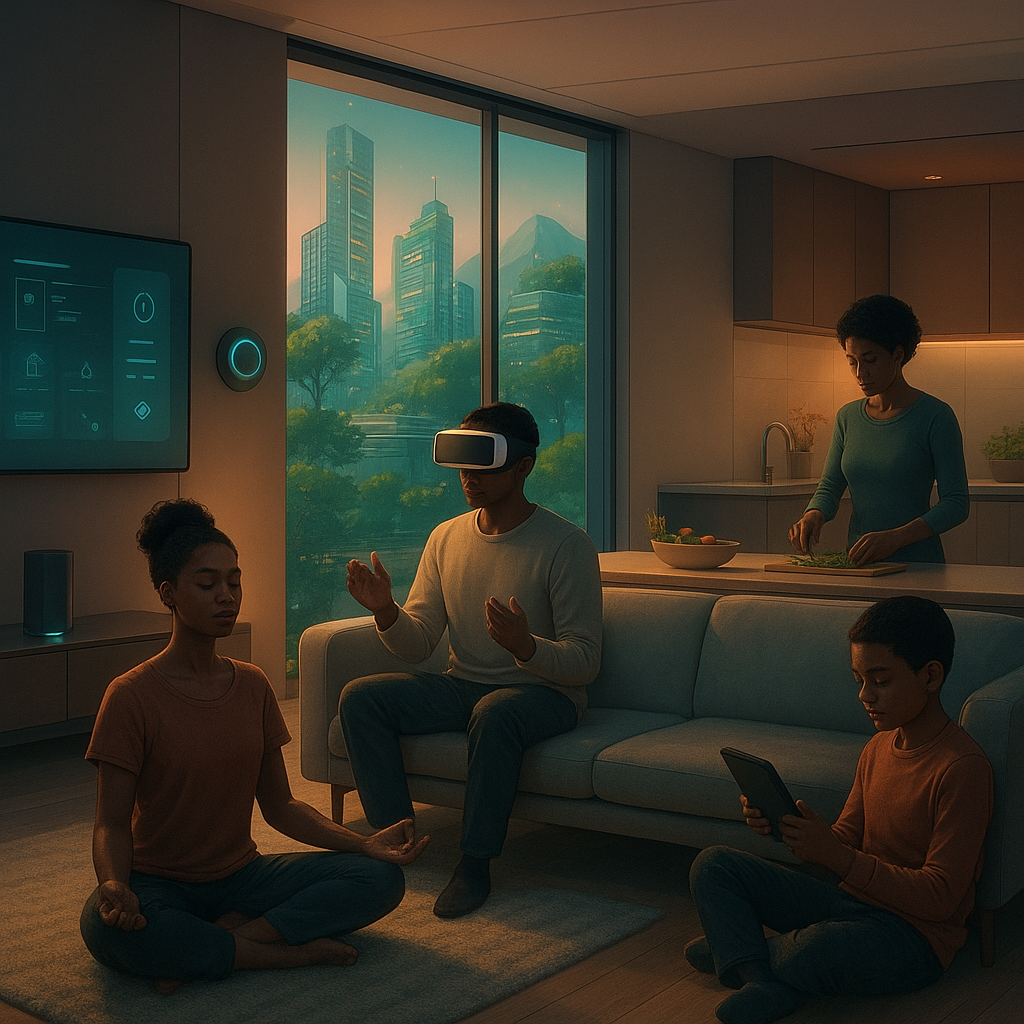
In 2026, smart homes equipped with AI hubs like the Sentient Home System adapt environments dynamically, adjusting lighting, temperature, and even ambient sound based on mood detection algorithms. Social robots designed for elder care and child education have become common.
- AI-driven mental health apps report a 52% increase in user engagement, addressing anxiety and depression with personalized interventions.
- Virtual social spaces supported by AI moderators provide safe, interactive platforms for community building, especially among younger generations.
- AI matchmaking services use emotional analytics to create more compatible personal connections.
However, this integration raises ethical considerations about privacy, dependency, and human interaction quality. Experts call for transparent algorithms and user control mechanisms to ensure AI enriches rather than diminishes social bonds.
“AI in the home is no longer a futuristic concept but an everyday reality reshaping our social fabric.” – Prof. Elena Rodriguez, AI Ethics Researcher
4. Remote and Hybrid Lifestyles: Redefining Work-Life Boundaries
The pandemic-era experiment with remote work has matured into a permanent lifestyle choice for many. As of early 2026, over 50% of the global workforce engages in hybrid or fully remote jobs, according to World Employment Reports.
This shift affects living arrangements, community engagement, and time management profoundly. People opt for smaller, affordable homes in suburban or rural areas, investing in ergonomic home offices and high-speed connectivity. The rise of coworking spaces in non-urban zones supports this dispersed workforce.
- Flexible work schedules have increased productivity by 20% on average in sectors such as tech, education, and creative industries.
- Digital nomadism is booming with visa programs tailored to remote workers expanding in over 30 countries.
- Urban planning incorporates mixed-use developments to support local economies amidst population decentralization.
The evolving work-life dynamic also influences social rituals and leisure activities, with virtual events and hybrid social gatherings becoming normalized. Our previous coverage on how lifestyle trends shape everyday realities in 2026 explores these transformations in detail at TheOmniBuzz.
5. Mindful Consumption and Digital Minimalism
In contrast to the digital saturation and consumerism of the early 2020s, a growing movement advocates for intentional living marked by mindful consumption and digital minimalism. This trend is gaining traction among millennials and Gen Zers seeking to reclaim time, reduce stress, and foster deeper connections.
Consumers increasingly scrutinize purchases for ethical sourcing, durability, and environmental impact. Subscription models decline in favor of ownership and repairability. Digital detox retreats and apps promoting screen time awareness report record attendance and downloads.
- Secondhand marketplace growth outpaces new product sales in fashion and electronics by 15%.
- Time spent on social media has decreased 18% since 2024, replaced by offline hobbies and face-to-face interactions.
- Minimalist living spaces emphasizing multifunctional furniture and decluttered environments become sought-after designs.
This lifestyle trend reflects a profound reevaluation of value and happiness, prioritizing quality over quantity and presence over distraction.
“Mindful consumption is about making choices that honor our well-being and the planet’s future simultaneously.” – Sarah Kim, Founder, Mindful Living Collective
Looking Ahead: Navigating the New Lifestyle Landscape
As these five lifestyle trends continue to evolve, they collectively shape a society that values sustainability, personalization, technology integration, flexibility, and mindfulness. Their convergence suggests a future where lifestyle is a strategic, thoughtful construct rather than a passive consequence of circumstance.
Emerging technologies such as brain-computer interfaces and advanced biomaterials promise further transformations. Meanwhile, the global climate crisis and social equity movements will likely reinforce sustainable and inclusive lifestyle choices.
Individuals, businesses, and policymakers must adapt proactively. Embracing these trends can foster resilience, well-being, and innovation. Ignoring them risks obsolescence and disconnection from the core values driving 2026’s cultural zeitgeist.
For a broader contextual understanding, readers can explore Rethinking Daily Life: The Subtle Forces Steering 2026’s Lifestyle Trends and Why Lifestyle Trends Are Shaping How We Live and Work Today.
Ultimately, the top 5 lifestyle trends of 2026 reflect a collective shift toward living with greater intention, supported by technology and driven by an urgent need for sustainability and human connection. Staying informed and adaptable to these currents will be essential for thriving in the years ahead.