You probably use more single-use plastic in your home than you realise. A lot of popular household brands are moving on to paper and compostable packaging, but there’s still a very long road ahead. Instead of relying on international megacorporations to pull their fingers out and make a difference and help the environment, you can take climate action into your own hands… in your own home.
The problem
Imagine you’ve just bought a bottle of water at your local Tesco. How long do you think you’ll use the bottle before getting rid of it? An hour? Maybe two? No. On average, it’s actually between 10 and 20 minutes. Maybe half an hour at a push.
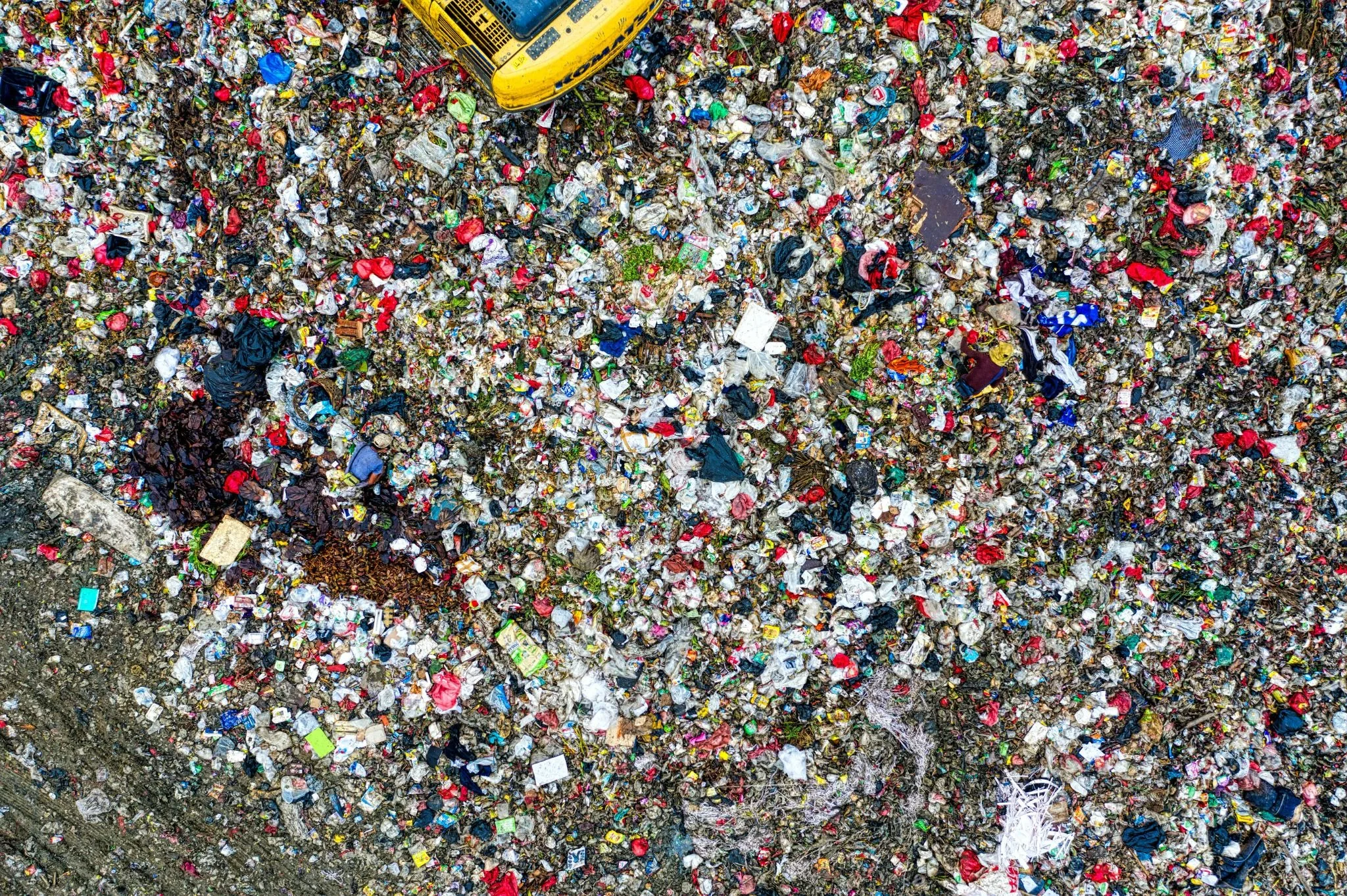
Did you know that single-use plastics can take up to 1,000 years to decompose? That's equivalent to over 17 million 30 minute periods. For this exact reason, single-use plastics are widely extremely destructive to the environment. But it’s not just their degradation rate that environmentalists across the globe are concerned about. During their decay, single-use plastics break down into tiny microplastics that become toxic for humans and our ecosystem. A huge number of plastics contain harmful chemicals from their manufacturing process. These toxins are also linked to a lot of serious health issues.
Number 1: Choose Reusable Alternatives
If you are at the beginning of your own zero waste journey, then reusable water bottles and coffee cups are probably the best place to start. Not only are they just safer for you and the environment, but they can also save you plenty of money at a lot of popular coffee shops, like Pret A Manger, Starbucks and Greggs. But reusable alternatives exist far beyond the kitchen. Washable make up pads and reusable razors are widely available in local and major retailers, offering a reusable swap that doesn't need replacing weekly.
Number 2: Have Your Milk Delivered
Traditionally, and still to this day, the milk that you have delivered by your local milkman arrives in reusable glass bottles. Swapping out plastic cartons of supermarket milk for a local milk delivery will help cut down on plastic waste at multiple different stages in the supply chain. After you’ve used your milk, you can rinse the empty glass bottles and leave them by your front door, ready for collection, after which they will be cleaned and reused. What might initially feel like a simple swap will, in actual fact, save thousands of plastic jugs from entering waste streams each and every year.
Number 3: Shop Smarter
Without even realising, the average person takes an awful lot of plastic packaging home in every weekly shop. Luckily, customers have noticed this and demanded that major supermarkets introduce changes by using a lower amount of plastic wrapping on fruit and vegetables or by redesigning packaging to make the most of recycled paper and cardboard.
If you want to join in, the first step is to ditch the plastic bags for reusable alternatives. They’ll last longer and are much less likely to rip and need to be disposed of. You can also make simple supermarket swaps like choosing loose fruit and veg over packaged, and bringing your own bag for bakery items.