Powering the Planet Anew: A Wake-Up Call from the Energy Frontlines
In early 2026, global renewable energy capacity surpassed 5 terawatts for the first time in history, marking a critical milestone on the road to decarbonization. While fossil fuels still dominate many energy grids worldwide, the rapid ascent of renewables is unmistakable. On a spring morning in Copenhagen, wind turbines hum alongside solar farms stretching across the Danish countryside, illustrating a tangible shift toward sustainable power. This scene, replicated in varying forms across continents, highlights the crucial role that diverse renewable technologies are playing in powering modern civilization.
According to International Energy Agency (IEA) data, renewables accounted for nearly 45% of new electricity generation capacity added globally in 2025, a figure that underscores both technological progress and policy momentum. The urgency of climate change, combined with soaring energy demands, has accelerated innovation, deployment, and investment in clean energy solutions. Yet, the story behind these numbers reveals a complex tapestry of breakthroughs, challenges, and evolving market dynamics.
“The next decade will define how effectively humanity can harness renewable resources to not only meet energy demands but to reverse climate damage,” says Dr. Helena Marquez, energy systems expert at the Global Climate Initiative.
This article takes a comprehensive look at the top 10 renewable energy technologies shaping 2026 and beyond. By examining their development, deployment, and implications, we gain insight into a fast-moving industry that is reshaping global power and climate action, a theme explored extensively in our Renewable Energy’s Surge: How 2026 Is Redefining Global Power feature.
Tracing the Roots: How the Renewable Revolution Took Shape
The quest for sustainable energy is far from new, with early solar and wind experiments dating back to the 19th and early 20th centuries. However, it was the energy crises of the 1970s that ignited serious interest in alternatives to oil and coal. The last two decades, especially, have witnessed exponential growth in renewable technologies driven by plummeting costs, supportive policies, and climate urgency.
Key milestones include the rapid cost decline of photovoltaic (PV) solar panels, which fell by over 85% since 2010, and the advent of offshore wind farms capable of generating gigawatts of clean power. Governments worldwide have set ambitious targets, with over 140 nations committing to net-zero emissions by mid-century. Technological advancements in battery storage, grid integration, and smart controls have further enabled renewables to compete head-to-head with traditional energy sources.
International collaborations, such as the Mission Innovation partnership and the Clean Energy Ministerial, have accelerated research and funding. Private sector giants like Tesla, Siemens, Vestas, and new entrants in the green hydrogen and geothermal sectors have expanded the innovation frontier. Cumulative investments in renewable infrastructure exceeded $1.2 trillion in 2025, signaling a shift from experimental projects to mainstream energy solutions.
“Renewables are no longer niche. They are the backbone of future energy systems,” explains Prof. Anil Gupta from the Institute for Sustainable Energy Studies.
Despite these gains, challenges remain, including intermittency, material supply chain constraints, and geopolitical tensions affecting critical minerals. This backdrop informs the ongoing evolution of the top renewable energy technologies discussed below.
The Top 10 Renewable Energy Technologies Powering 2026
The following list reflects a combination of installed capacity, growth potential, technological maturity, and impact. Each technology represents a pillar in the global energy transition.
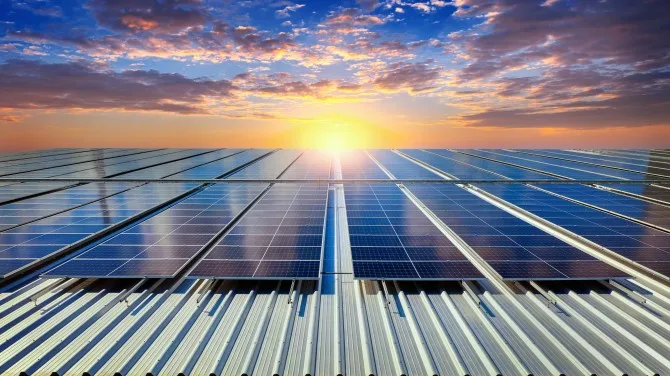
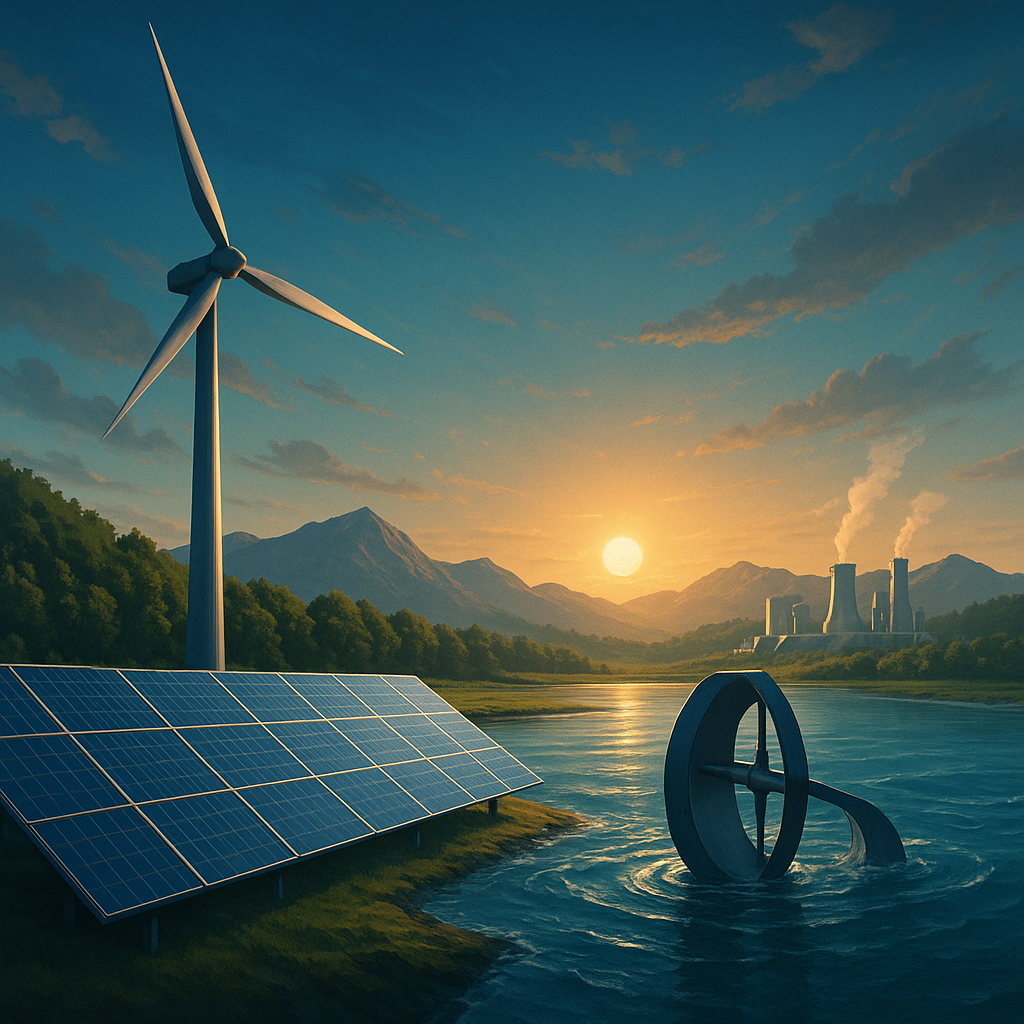
- Solar Photovoltaics (PV): Still the fastest-growing energy source, solar PV accounts for roughly 40% of new renewable capacity additions worldwide. Innovations in perovskite cells and tandem technologies have pushed panel efficiencies to over 30%, while bifacial modules capture reflected light, increasing output. Floating solar installations on reservoirs and offshore platforms are gaining traction, expanding usable surfaces.
- Onshore and Offshore Wind: Wind power contributes about 30% of new renewable capacity. Offshore wind, particularly in Europe and Asia, has surged with colossal turbines exceeding 15 MW capacity each. Advanced blade designs and floating foundations unlock deeper waters, while hybrid wind-solar farms optimize land use.
- Hydropower: The largest source of renewable electricity historically, hydropower remains vital. Small-scale and pumped-storage hydropower projects are expanding to balance grids with variable renewables. Innovations in fish-friendly turbines and sediment management improve environmental sustainability.
- Green Hydrogen: A rapidly emerging player, green hydrogen is produced via electrolysis powered by renewables. It offers a carbon-free fuel for heavy industry, shipping, and long-haul transport. Projects in Australia, Chile, and the Middle East are pioneering exports of green hydrogen and derivatives.
- Biomass and Bioenergy: Though controversial in some circles, sustainably sourced biomass and advanced biofuels contribute to decarbonizing sectors like aviation and heating. New enzymatic conversion technologies improve efficiency and reduce land use impacts.
- Geothermal Energy: Often overlooked, geothermal provides steady baseload power and heating. Enhanced geothermal systems (EGS) are unlocking resources in areas without natural hydrothermal reservoirs, expanding the geographic scope.
- Marine Energy (Wave and Tidal): Still in early commercialization stages, marine energy technologies harness predictable ocean currents and tides. Recent breakthroughs in turbine durability and grid integration have improved viability.
- Concentrated Solar Power (CSP): CSP plants use mirrors to focus sunlight and generate heat, which drives turbines. Thermal storage enables dispatchable power, filling gaps left by intermittent renewables.
- Energy Storage Technologies: Though not an energy source themselves, battery storage and other technologies like compressed air and liquid air energy storage are essential enablers. Advances in solid-state batteries and grid-scale flow batteries offer longer lifespans and faster response times.
- Waste-to-Energy: Modern waste-to-energy plants convert municipal and industrial waste into electricity and heat with minimal emissions. Emerging thermal and chemical recycling innovations improve resource recovery.
This diverse portfolio underscores that no single technology will dominate; rather, a hybrid approach tailored to local conditions is key.
2026: A Year of Accelerated Deployment and Innovation
Several factors have converged in 2026 to accelerate renewable integration globally. Governments are expanding carbon pricing schemes, and private capital is increasingly channeling into green infrastructure. Notable developments include the launch of the world’s largest offshore wind farm, the 3.5 GW North Sea Horizon Project, jointly funded by European utilities and tech firms.
Meanwhile, breakthroughs in solar manufacturing have reduced the carbon footprint of panel production by 40%, as reported by the Solar Energy Research Institute. Green hydrogen projects have moved from pilot to commercial scale, with the first international hydrogen trade corridor established between Australia and Japan.
On the policy front, the United States and China announced a joint framework to secure critical minerals for renewable technologies while addressing environmental and social governance (ESG) concerns. Grid operators in several countries have adopted AI-driven demand response systems to better manage renewable variability.
In the corporate world, major oil and gas companies are pivoting aggressively toward renewables and green fuels, signaling a redefinition of the energy sector. This trend is elaborated in How Renewable Energy Is Reshaping Global Power and Climate Action.
“2026 marks the point where renewables move from alternative to essential infrastructure for energy security and economic growth,” notes energy analyst Maria Chen.
Expert Perspectives: Industry Leaders and Innovators Speak
Interviews with industry veterans and policy experts reveal nuanced insights into the opportunities and hurdles ahead.
Dr. Lars Nilsen, CEO of Vestas Renewable Solutions, emphasizes the importance of system integration: “Harnessing wind and solar at scale demands smarter grids and flexible markets. Investment in digital infrastructure is as critical as physical assets.”
Meanwhile, Dr. Amina Yusuf, head of the Green Hydrogen Council, highlights the transformative potential of hydrogen: “Hydrogen is the missing link for sectors where electrification is challenging. Its scalability and storage capabilities could revolutionize energy logistics.”
On the environmental front, sustainability consultant Elena Garcia warns against complacency: “Renewables must be developed responsibly. That means safeguarding biodiversity, reducing lifecycle emissions, and ensuring equitable access.”
These perspectives align with findings from our Why Renewable Energy Projects Often Fail: Lessons from Common Mistakes report, underscoring the need for holistic planning and stakeholder engagement.
“The energy transition is as much a social and political challenge as it is technological,” stresses Dr. Garcia.
Looking Ahead: What to Watch in Renewable Energy's Next Chapter
As global energy systems evolve, several trends will shape the trajectory of renewables in the coming years:
- Grid Modernization and Decentralization: Enhanced grid flexibility through microgrids, peer-to-peer energy trading, and AI-based management will become mainstream.
- Material Innovation: Alternative materials reducing reliance on scarce metals like cobalt and lithium will mitigate supply chain risks and environmental impacts.
- Hybrid Energy Systems: Combining solar, wind, storage, and hydrogen production at a single site will optimize efficiency and reliability.
- Policy Harmonization: International cooperation on standards, carbon markets, and financing mechanisms will accelerate deployment.
- Community and Equity Focus: Ensuring that renewable projects benefit local populations, create jobs, and address energy poverty will gain prominence.
Investors and policymakers should monitor emerging technologies such as advanced geothermal, marine energy, and next-gen batteries. The ability to integrate these with existing systems will define success. Global energy demand is projected to rise by 25% by 2030, making rapid renewable expansion imperative for climate goals.
In conclusion, the landscape of renewable energy in 2026 is characterized by remarkable diversity, innovation, and momentum. The top 10 technologies outlined here form the foundation of a cleaner, more resilient energy future. Their continued advancement and thoughtful deployment will be pivotal in navigating the complex challenges ahead and securing a sustainable planet for generations to come.