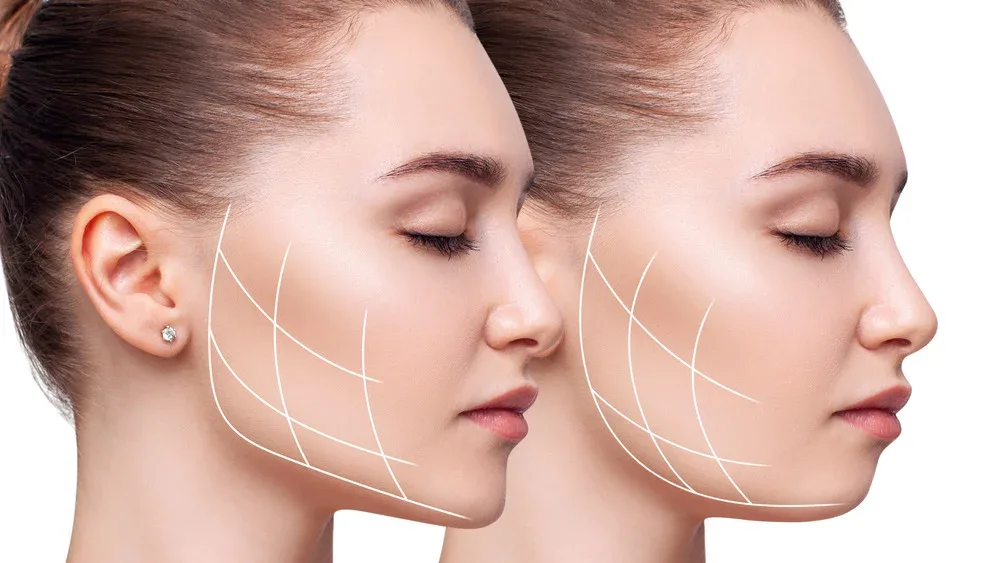
Facial contouring has become an increasingly discussed cosmetic option for people who want to create more definition in the cheek and lower-face area. Among the available procedures, buccal fat removal focuses specifically on reducing the natural fat pad located within the cheek. By carefully removing a portion of this fat, a qualified surgeon may create a slimmer and more sculpted facial appearance.
However, deciding to undergo a cosmetic procedure requires more than simply understanding what the surgery does. You also need to know how to prepare, what happens during the procedure, what recovery involves, and how to choose an appropriate specialist. Therefore, beginners should approach buccal fat removal with realistic expectations and a clear understanding of the complete process.
If you are considering treatment, researching the Best buccal fat removal clinic in Delhi can help you find a facility where you can receive a professional assessment and discuss your facial goals. At the same time, remember that the right procedure depends on your individual anatomy rather than a one-size-fits-all approach.
This guide explains the journey from the first consultation through recovery so you can approach your decision with better information.
1. What Is Buccal Fat Removal?
Understanding the Fat Pad Inside Your Cheeks
Buccal fat removal, also called buccal lipectomy, is a cosmetic surgical procedure that reduces some of the buccal fat pad inside the cheek. Everyone has buccal fat, although its size and appearance can differ from person to person.
The procedure generally aims to create greater definition in the mid-to-lower face. Some people naturally have fuller cheeks, while others may notice that their facial contours appear less defined because of the amount or distribution of cheek fat.
Importantly, buccal fat removal is not the same as general weight-loss treatment. Losing body weight does not necessarily produce predictable changes in buccal fat. Similarly, the procedure does not replace treatments designed to address loose skin, prominent jaw muscles, or other causes of facial fullness.
Therefore, a consultation plays an important role in determining whether buccal fat removal actually addresses the concern you want to improve.
2. Start With a Professional Consultation
The First Step Toward a Personalized Treatment Plan
Before considering surgery, schedule a detailed consultation with a qualified and appropriately trained cosmetic or plastic surgeon. During this appointment, the surgeon should evaluate your facial structure, cheek volume, skin quality, medical history, and aesthetic goals.
You should also be prepared to explain what you want to change. For example, you may want slightly more cheek definition, a slimmer appearance around the lower cheeks, or improved facial balance.
The surgeon may assess:
- The natural shape and proportions of your face
- The amount and location of cheek fullness
- Your skin quality and facial structure
- Your medical and surgical history
- Any medications or supplements you take
- Your expectations regarding the outcome
- Whether another procedure may be more appropriate
Furthermore, a responsible surgeon should discuss both potential benefits and limitations. Buccal fat removal may improve facial contour, but it cannot completely redesign your facial structure.
If you are researching the Best buccal fat removal clinic in Delhi, consider the quality of consultation as one of your important selection factors. A thorough consultation should feel like an assessment rather than a sales conversation.
3. Understanding Whether You Are a Suitable Candidate
Why Patient Selection Matters
Not everyone with fuller cheeks needs or should undergo buccal fat removal. Appropriate patient selection can significantly influence both safety and aesthetic satisfaction.
Generally, surgeons may consider buccal fat removal for adults who are bothered by persistent cheek fullness and have realistic expectations about what the procedure can accomplish. However, your individual suitability requires professional evaluation.
Your surgeon may advise against or recommend caution with the procedure if you have certain facial characteristics. For instance, people with naturally thin or narrow faces may need to consider the possibility that removing cheek fat could make the face appear overly hollow, particularly as natural facial volume changes with age.
Likewise, significant facial asymmetry, skin laxity, or fullness caused by another anatomical feature may require a different approach.
Consequently, the goal should not simply be to remove as much fat as possible. Instead, the surgeon should consider facial harmony and preserve an appropriate amount of natural volume.
4. Preparing for Buccal Fat Removal Surgery
What to Do Before Your Procedure
Once you and your surgeon decide that buccal fat removal is appropriate, you will receive preparation instructions. Following them carefully can help support a smoother surgical experience.
Your surgeon may review your current medications, allergies, previous procedures, and general health. If you take prescription medications, over-the-counter drugs, or supplements, provide complete information rather than stopping anything independently.
Depending on your individual circumstances, your surgeon may provide instructions related to:
- Eating and drinking before surgery
- Medications and supplements
- Oral hygiene
- Smoking or tobacco use
- Alcohol consumption
- Arranging transportation after the procedure
- Taking time away from work or other activities
- Preparing soft foods for the recovery period
Additionally, plan your recovery environment in advance. Although the exact recovery experience varies, having someone available to assist you initially can make the process more comfortable.
You should also understand the expected recovery timeline before scheduling surgery. That way, you can plan professional and personal responsibilities accordingly.
5. What Happens During Buccal Fat Removal?
A Simple Overview of the Surgical Process
Understanding the procedure can make the experience feel less unfamiliar. Buccal fat removal is typically performed through a small incision inside the mouth, allowing the surgeon to access the buccal fat pad without creating a visible external facial scar.
The specific technique, anesthesia, and surgical setting depend on the individual case and the surgeon's approach.
During the procedure, the surgeon carefully accesses the buccal fat pad and removes an appropriate amount of fat. The amount removed should correspond to the patient's facial anatomy and desired outcome.
Precision matters because removing too much fat may produce an overly hollow or gaunt appearance. On the other hand, removing too little may result in less noticeable contouring.
After the surgeon completes the procedure, the incision inside the mouth is generally closed with sutures that may dissolve naturally, depending on the technique used.
Because the treatment takes place near important facial structures, choosing a properly qualified surgeon with appropriate anatomical knowledge is essential. This is one reason people researching the Best buccal fat removal surgery in Delhi should focus on surgical qualifications, experience, facility standards, and patient safety rather than relying only on promotional claims.
6. The First Few Days After Surgery
Managing Swelling and Getting Comfortable
After surgery, your face may appear swollen, and you may experience some discomfort or tightness around the cheeks. These effects are generally part of the initial healing process, although the severity and duration can vary.
Your surgeon will provide specific aftercare instructions. Follow those instructions carefully rather than relying on generic advice from the internet.
Because the incision is inside the mouth, oral care becomes particularly important. Your surgeon may recommend specific hygiene practices or mouth rinsing instructions to help keep the surgical area clean.
You may also need to temporarily modify your diet. Soft foods can be easier to eat while the mouth heals. Depending on your surgeon's instructions, you may need to avoid foods or activities that could irritate the surgical area.
During this period, avoid rushing back into strenuous physical activity. Instead, gradually return to your normal routine according to your surgeon's guidance.
Most importantly, contact your surgical team if you notice symptoms that concern you, such as worsening rather than improving swelling, significant bleeding, severe pain, fever, or other unexpected changes.
7. Understanding the Recovery Timeline
Why Final Results Take Time
One of the biggest mistakes beginners make is judging the result too soon. After buccal fat removal, swelling can temporarily obscure the underlying facial contour.
As healing progresses, swelling generally decreases and the facial shape becomes easier to evaluate. However, recovery varies between individuals, so there is no single timeline that applies to everyone.
During the early period, you may notice:
Initial phase: Swelling and mild discomfort can make the cheeks appear fuller than expected.
Healing phase: As swelling gradually subsides, the contours may become more visible.
Later phase: The final appearance becomes easier to assess once the tissues have adequately healed.
Therefore, patience is essential. Do not compare your day-to-day appearance with someone else's recovery photographs because factors such as surgical technique, anatomy, healing response, and aftercare can differ considerably.
Your surgeon can provide a more personalized estimate based on your procedure and individual recovery.
8. Potential Benefits and Limitations
What Can Buccal Fat Removal Actually Achieve?
Buccal fat removal can potentially create a more defined appearance in the cheek region by reducing selected internal cheek volume. For suitable candidates, this may contribute to a more sculpted facial profile.
However, it is important to understand what the procedure cannot do.
Buccal fat removal does not necessarily:
- Change the underlying bone structure
- Eliminate all facial fullness
- Replace weight-management strategies
- Correct every type of facial asymmetry
- Tighten significantly loose facial skin
- Guarantee a specific facial shape
Moreover, removing facial fat is a relatively permanent change to that fat compartment. Since facial volume naturally changes with age, excessive removal may have aesthetic implications later in life.
For this reason, conservative and individualized treatment planning can be particularly important. The objective should be facial balance rather than simply achieving the thinnest possible cheeks.
9. How to Choose the Right Buccal Fat Removal Clinic in Delhi
Look Beyond Marketing Claims
Delhi offers numerous cosmetic treatment options, so choosing a clinic can feel overwhelming. Instead of selecting a provider based solely on advertisements or low prices, consider several practical factors.
First, verify the surgeon's professional qualifications and experience relevant to facial cosmetic procedures. Next, consider whether the clinic maintains appropriate standards for hygiene, patient evaluation, anesthesia, and surgical safety.
During consultation, ask clear questions such as:
- Am I a suitable candidate for buccal fat removal?
- How much cheek fat do you recommend removing?
- What results are realistic for my facial structure?
- What risks and complications should I understand?
- What type of anesthesia will you use?
- How long should I expect to recover?
- What aftercare will I need?
- What happens if I experience a complication?
- Are there alternative treatments I should consider?
A trustworthy professional should answer these questions clearly and without pressuring you into making a quick decision.
Thus, when searching for the Best buccal fat removal clinic in Delhi, focus on professional assessment, safety, experience, communication, and individualized treatment planning.
10. Understanding the Risks Before Making a Decision
Every Surgical Procedure Requires Careful Consideration
Although buccal fat removal is a cosmetic procedure, it is still surgery and carries potential risks. Understanding these risks helps you make a more informed choice.
Potential complications can include infection, bleeding, swelling, discomfort, asymmetry, changes in sensation, injury to nearby structures, and dissatisfaction with the cosmetic outcome. In addition, removing too much fat may contribute to an overly hollow appearance.
The location of the buccal fat pad also makes anatomical knowledge particularly important because important nerves and structures are located in the surrounding area.
Therefore, never choose a surgeon simply because the procedure appears straightforward. Proper patient assessment, surgical planning, sterile technique, and appropriate aftercare all contribute to a safer treatment experience.
If you have concerns about a potential complication during recovery, contact your surgeon promptly instead of waiting for the problem to resolve on its own.
11. Frequently Asked Questions About Buccal Fat Removal
Beginner-Friendly Answers to Common Concerns
Is buccal fat removal the same as facial slimming?
Not exactly. Buccal fat removal is one surgical approach to reducing cheek fullness. Facial slimming can involve different procedures depending on the underlying cause of facial width or fullness.
Will buccal fat removal make my face extremely thin?
The outcome depends on how much fat the surgeon removes and your existing facial anatomy. A responsible treatment plan should aim for proportion and balance rather than excessive fat reduction.
Does buccal fat removal leave an external scar?
The procedure is commonly performed through an incision inside the mouth, meaning there is generally no visible external facial incision from the buccal fat removal itself.
How quickly will I see the final result?
You may not see the final contour immediately because postoperative swelling can temporarily affect your appearance. Your surgeon can explain the expected healing timeline for your individual case.
Can everyone undergo buccal fat removal?
No. A professional assessment is necessary. Facial structure, existing volume, skin quality, health history, expectations, and other factors can influence suitability.
12. Making an Informed Decision About Buccal Fat Removal
Focus on Facial Balance, Safety, and Realistic Expectations
Buccal fat removal can be an option for people who want to address persistent cheek fullness and create greater facial definition. Nevertheless, successful treatment begins long before the surgical procedure itself.
Start by learning about the procedure and understanding its potential benefits and limitations. Then, arrange a consultation with a qualified specialist who can evaluate your facial anatomy and discuss realistic outcomes.
Next, prepare carefully for surgery and follow all preoperative and postoperative instructions. During recovery, allow your body enough time to heal and avoid judging the outcome too early. Finally, maintain open communication with your surgical team if you have questions or concerns.
Most importantly, do not select a provider based only on phrases such as Best buccal fat removal clinic in Delhi or Best buccal fat removal surgery in Delhi. Instead, look for evidence of appropriate qualifications, experience, patient safety, personalized planning, and responsible follow-up care.
With proper education and professional guidance, you can approach your facial contouring journey with realistic expectations and a clearer understanding of what buccal fat removal can—and cannot—achieve.