Nestled along the edge of the Thar Desert and cradled by the rugged Aravalli hills, Pushkar is one of India's oldest and most sacred towns. Known for its tranquil lake, historic temples, and vibrant spiritual culture, this ancient settlement offers travelers a distinct blend of devotion, heritage, and serene desert landscapes. If you are planning a weekend escape or a short spiritual getaway, two days provide ample time to explore the holy sites, discover quiet vantage points, and soak in the timeless atmosphere with guidance from a reliable Rajasthan travel agency.
Day 1: Sacred Waters, Divine Shrines, and Desert Horizons
Pushkar wakes up early, and the morning light across the holy water sets a contemplative tone for your journey.
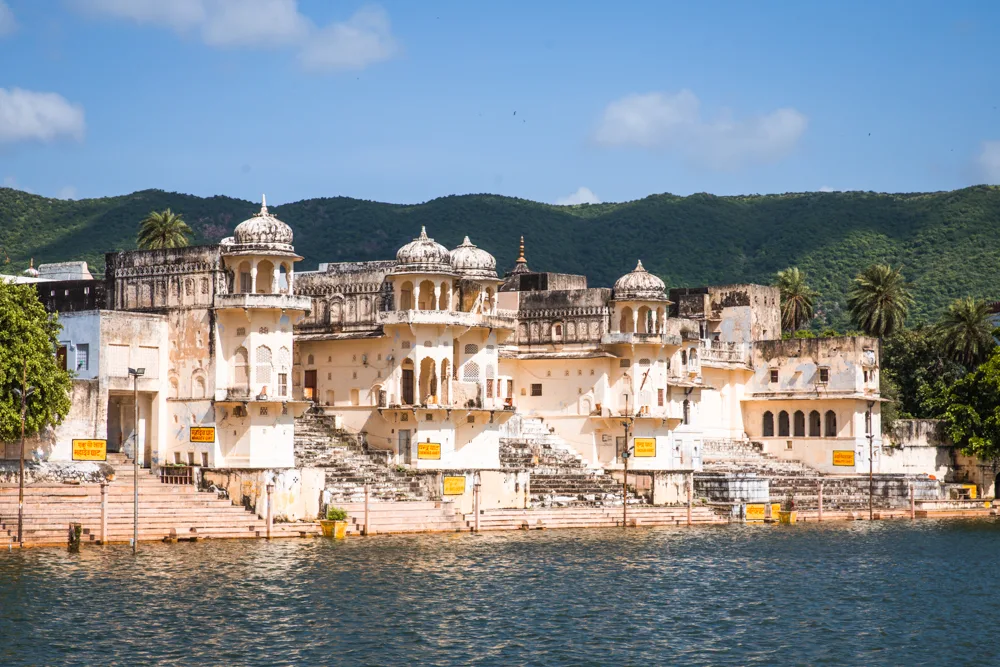
Morning: Pushkar Lake and Brahma TempleBegin your day at dawn by visiting Pushkar Lake, surrounded by 52 historic ghats. According to sacred tradition, taking a ritual dip or walking along Brahma Ghat and Varaha Ghat brings peace and spiritual purification. The soft chanting of morning mantras, the rhythmic ring of brass bells, and the reflection of whitewashed heritage structures in the water make this an unforgettable experience.
A short walk through the narrow stone alleys leads to the world-renowned Jagatpita Brahma Temple. Pushkar is home to one of the few active temples in the world dedicated to Lord Brahma, the creator in the Hindu trinity. Built with marble and stone slabs and adorned with a distinctive red spire, the 14th-century structure remains a cornerstone for anyone undertaking a Rajasthan temples tour. Remember to deposit leather articles and electronic devices outside before offering traditional rose petals and marigold garlands.
Afternoon: Varaha Temple and Old Pushkar BazaarAfter a wholesome vegetarian Rajasthani meal featuring authentic dal baati churma, visit the Varaha Temple, the oldest temple complex in town, dating back to the 12th century. Dedicated to the boar incarnation of Lord Vishnu, this architectural relic highlights intricate stone carvings and resilient medieval craftsmanship.
Next, wander through the bustling market lanes surrounding the main chowk. Local artisans display colorful handcrafted leather journals, traditional rose water, silver jewelry, and block-printed textiles. Take time to sample freshly fried rabdi malpua from local sweet shops that have maintained their family recipes for generations.
Evening: Sunset at Savitri TempleIn the late afternoon, make your way toward the Ratnagiri hill to visit the Savitri Temple, dedicated to Lord Brahma's first consort. Travelers can either ascend the 1.5-kilometer stone staircase or take the modern ropeway cable car. From the summit, you are treated to a 360-degree panoramic view of Pushkar Lake, surrounding dunes, and the vast desert horizon bathed in amber and crimson light.
Day 2: Architectural Gems, Desert Trails, and Cultural Soul
The second day takes you deeper into the architectural diversity and rural charm that define the town's historical fabric.
Morning: Rangji Temple and Gurudwara Singh SabhaStart your second morning with a visit to the striking Old Rangji Temple. This monument showcases a remarkable blend of architectural styles, combining classical South Indian Dravidian gopurams with traditional Rajput ornamentation. Dedicated to Lord Rangji, an incarnation of Lord Vishnu, its towering multi-tiered entrance gate is a visual marvel for photography enthusiasts and students of Indian temple design.
Continue your morning walk to the peaceful Gurudwara Singh Sabha, located near the town center. Commemorating the visits of Guru Nanak Dev and Guru Gobind Singh, this marble gurudwara offers visitors an atmosphere of quiet reflection, humble service, and community fellowship.
Afternoon: Exploring Heritage Havelis and Rose GardensIn the afternoon, explore the quiet residential corners of Pushkar to view traditional heritage residences. These grand havelis feature intricate jharokhas, painted murals depicting historical legends, and carved wooden doorways that form an integral stop during a curated Rajasthan heritage tour.
Pushkar is also celebrated as the "Rose Garden of Rajasthan," cultivating rare Damask roses that are exported worldwide. A brief excursion into the nearby rural farmlands lets you witness local farmers harvesting blooms and distilling pure rose water, gulkand, and essential oils using copper stills.
Evening: Desert Safari and Sunset Over the DunesConclude your two-day Pushkar itinerary with a relaxed camel safari or a vintage open-top jeep ride out into the surrounding sand dunes. As the sun dips behind the distant hills, watch local folk musicians play traditional instruments such as the ravanhatha and kamaicha. Sitting by a crackling campfire under clear desert skies provides the perfect ending to an enriching two-day retreat.
Practical Tips for Travelers in Pushkar
- Dress Code and Customs: Pushkar is a deeply revered pilgrimage site. Modest attire covering shoulders and knees is recommended when visiting temples and lake ghats. Always remove your footwear before stepping onto the ghat stairs.
- Priest Scams: Politely decline aggressive requests from self-appointed guides offering lake blessings in exchange for large cash donations. Stick to legitimate temple counters for donations.
- Best Time to Visit: The winter months from October to March offer pleasant temperatures during the day and crisp desert evenings, making walking and outdoor sightseeing ideal.