
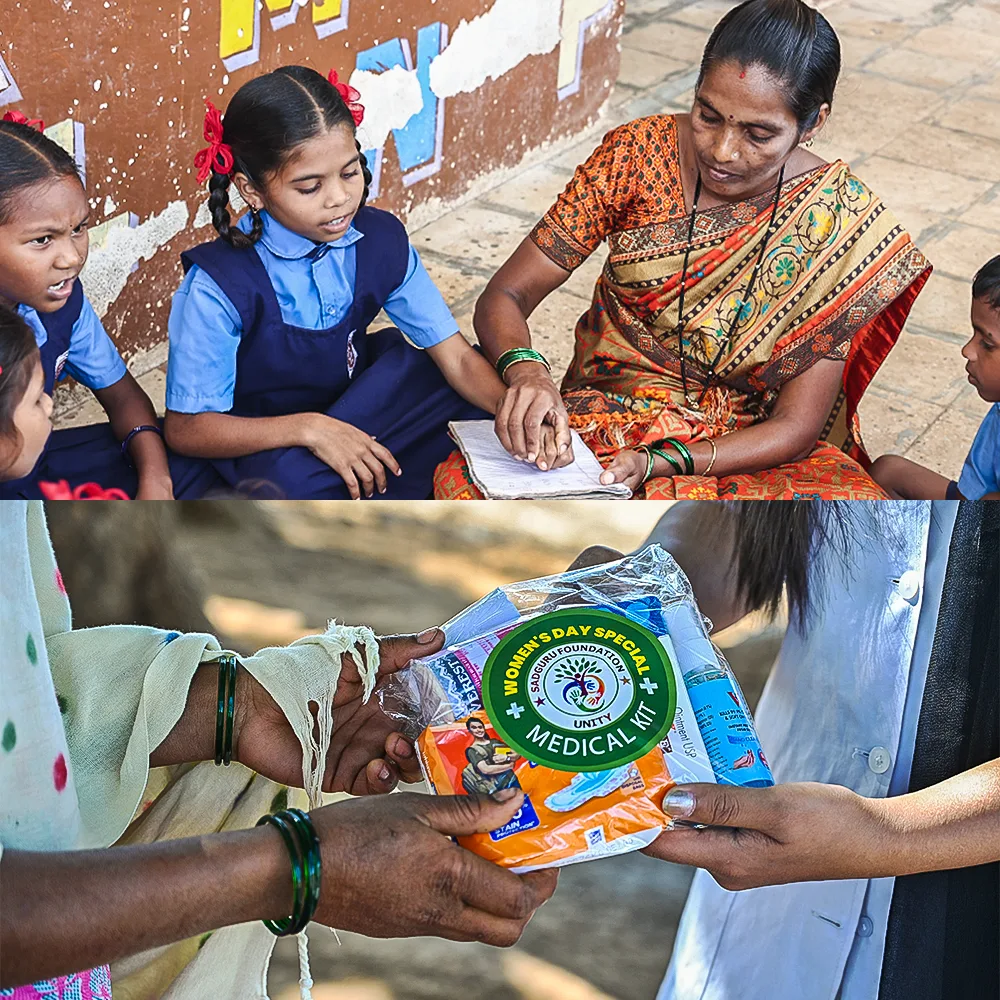
In today’s interconnected world, compassion is no longer limited by borders. Across continents, communities are working together to uplift vulnerable populations, provide humanitarian support, and create sustainable change. World charitable organizations play a vital role in this global effort by addressing some of humanity’s most pressing challenges—poverty, hunger, healthcare access, education inequality, disaster relief, and social justice.
These organizations operate with a mission to serve humanity and ensure that assistance reaches those who need it most. From rural villages to crowded urban settlements, their impact can be seen in improved living conditions, empowered communities, and renewed hope for millions of people.
Understanding the Role of Global Charitable Efforts
Charitable organizations operating on a global scale focus on creating solutions for issues that affect people regardless of nationality, culture, or economic status. Their initiatives are often designed to provide both immediate relief and long-term development support.
Some of the most common areas of focus include:
- Poverty reduction programs
- Education for underprivileged children
- Healthcare and medical aid
- Disaster response and emergency relief
- Food security and hunger eradication
- Women empowerment and community development
- Support for elderly and vulnerable populations
Through collaborative networks, volunteers, and donors, these organizations build systems that help communities grow stronger and more self-sufficient.
The Importance of Global Humanitarian Work
Humanitarian work is essential because many problems facing the world require coordinated international action. Natural disasters, economic instability, health crises, and social inequalities often impact millions of people at once.
Global charitable initiatives help bridge gaps where resources are limited. They deliver relief materials, provide medical services, establish educational programs, and help communities rebuild after crises.
Beyond providing aid, these efforts also focus on empowering individuals. Training programs, skill development, and community leadership initiatives ensure that people can create better futures for themselves and their families.
How Charitable Organizations Create Long-Term Impact
While emergency assistance is important, sustainable development is the true goal of most humanitarian initiatives. Long-term impact is created through carefully planned projects that address root causes rather than temporary symptoms.
Some effective strategies include:
Community-Driven Development
Local communities are encouraged to participate in planning and implementing projects. This approach ensures that solutions are culturally appropriate and truly beneficial.
Education and Awareness
Education remains one of the most powerful tools for breaking the cycle of poverty. Many global initiatives prioritize building schools, training teachers, and providing educational resources.
Healthcare Access
Improving healthcare infrastructure and access to medical services can dramatically improve quality of life. Preventive care, maternal health support, and vaccination programs are often key components.
Economic Empowerment
Skill-building workshops, vocational training, and small business support programs enable individuals to generate income and achieve financial independence.
The Role of Volunteers in Global Charity
Volunteers are the backbone of many humanitarian efforts. Their dedication, time, and compassion help organizations reach communities that might otherwise remain underserved.
People volunteer in many ways, including:
- Participating in relief operations
- Teaching and mentoring children
- Supporting healthcare initiatives
- Organizing donation drives
- Promoting awareness campaigns
Even small contributions of time or expertise can create meaningful change.
How Donations Support Humanitarian Projects
Funding is essential for sustaining charitable initiatives. Donations help cover the cost of food distribution, educational materials, healthcare supplies, infrastructure development, and emergency response operations.
Transparent financial practices and responsible resource management ensure that contributions are used effectively. Many organizations publish reports to maintain accountability and build trust among supporters.
Individuals can support humanitarian efforts through:
- One-time contributions
- Monthly donation programs
- Corporate social responsibility initiatives
- Fundraising campaigns
- Community events and awareness programs
Collective support from individuals and businesses makes it possible to expand outreach and serve more communities.
The Growing Importance of Technology in Charity
Technology has significantly transformed how charitable initiatives operate. Digital tools help organizations coordinate relief efforts, manage donations, track project progress, and communicate with supporters around the world.
Online platforms also make it easier for people to contribute to humanitarian causes from anywhere. Virtual volunteering, crowdfunding, and global awareness campaigns have expanded the reach of charitable work.
Data analysis and digital monitoring tools also allow organizations to measure impact more accurately, ensuring that programs continue to improve and adapt.
Challenges Faced by Global Humanitarian Initiatives
Despite their positive impact, charitable organizations often face several challenges, including:
- Limited funding and resources
- Difficult access to remote communities
- Political or regulatory restrictions
- Cultural and language barriers
- Natural disasters and conflict zones
Overcoming these challenges requires collaboration between governments, communities, donors, and volunteers.
The Future of Global Philanthropy
The future of humanitarian work lies in stronger collaboration and innovative solutions. Partnerships between local communities, international organizations, and private sector leaders can create more effective development programs.
Sustainability, transparency, and community empowerment are becoming central principles guiding modern philanthropy. By focusing on long-term solutions rather than short-term aid, charitable initiatives can help build a more equitable and compassionate world.
Conclusion
Charitable work reflects humanity at its best—people coming together to support one another in times of need. Across the globe, dedicated individuals and organizations continue to provide assistance, hope, and opportunity to millions.
As awareness grows and more people participate in humanitarian efforts, the potential for meaningful change becomes even greater. Whether through volunteering, donating, or spreading awareness, every action contributes to building a kinder and more supportive global community.