Why I Started Paying Attention to Berberis Aristata
I first encountered Berberis aristata powder while reformulating a heritage-inspired botanical blend. Our team needed to minimize synthetic inputs while ensuring ingredient integrity. One of our researchers pointed to this powdered root as a naturally pigmented, formulation-friendly botanical that also had a consistent sourcing footprint.
At first, I didn’t expect much. But once we worked it into prototypes, I started to appreciate how it functioned—not as a primary ingredient, but as a stable, clean-label component with multiple formulation benefits.
Understanding the Ingredient: What It Is and How It’s Made
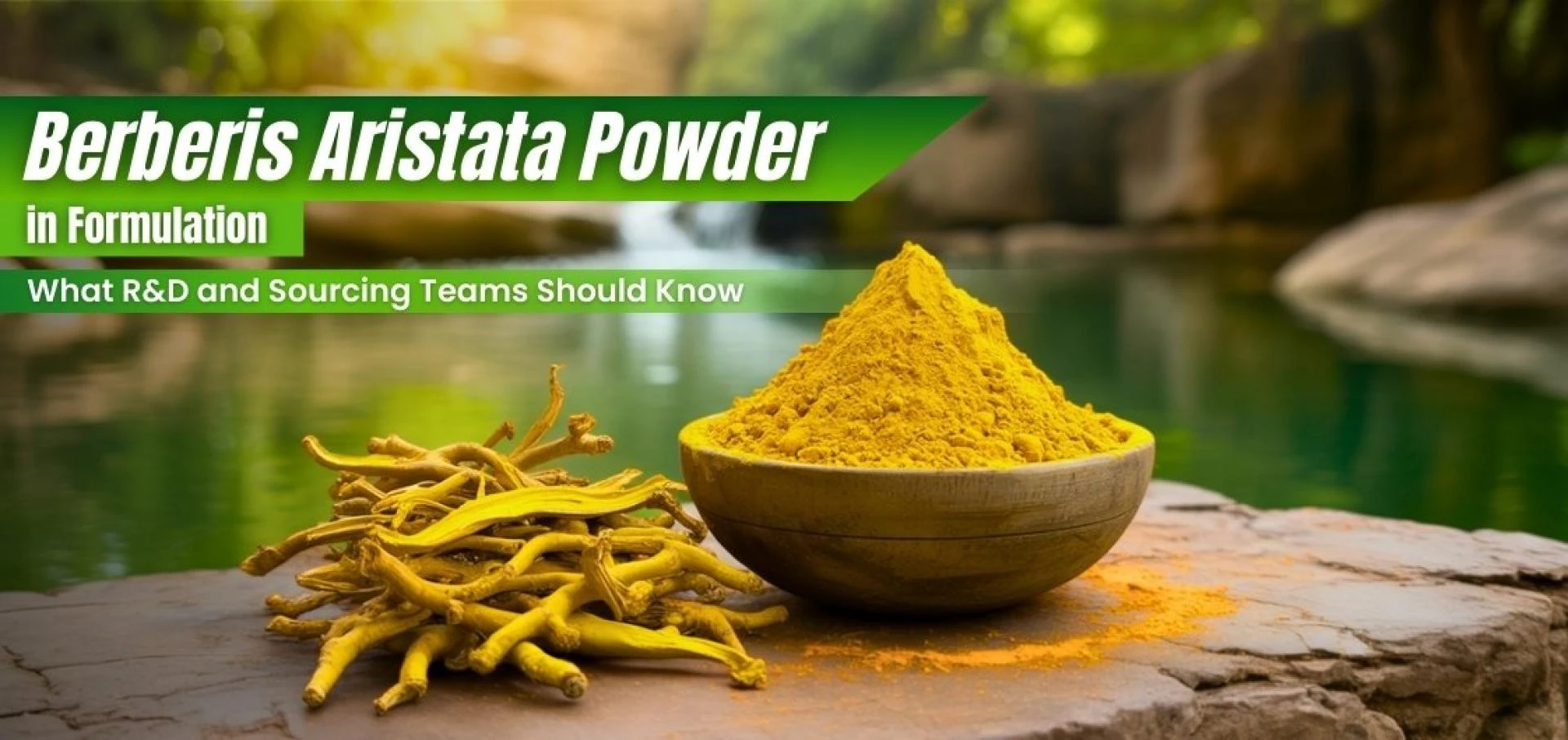
Berberis aristata is a deciduous shrub found primarily in the Himalayan region. The powdered form is typically made from the bark or root, dried and milled under controlled conditions to preserve its native profile.
From a clean-label sourcing standpoint, I’ve had the best results working with air-dried, non-solvent processed material. Suppliers offering USDA Organic Berberis Aristata Powder usually adhere to stricter processing norms, including the avoidance of artificial color enhancers or synthetic preservatives.
If you're working with a Berberis Aristata Powder Bulk Supplier, always clarify whether you're getting whole root powder or a standardized extract. This distinction impacts both regulatory considerations and performance in formulation.
Functional Traits That Matter in Formulation
From a product development lens, Berberis aristata brings a few helpful traits to the table:
- Color Stability: It contributes a natural yellow tone that’s particularly useful in beverage mixes, capsules, and topical applications.
- Powder Handling: The flow properties are acceptable for dry-blend applications, and it pairs well with both herbal and neutral carriers.
- Processing Flexibility: In our experience, Bulk Berberis Aristata Root Powder holds up well in conventional mixing and encapsulation workflows.
That said, its poor water solubility means it’s not ideal as a primary botanical in clear beverage systems unless you’re working with emulsified or encapsulated formats.
Real-World Applications in Product Development
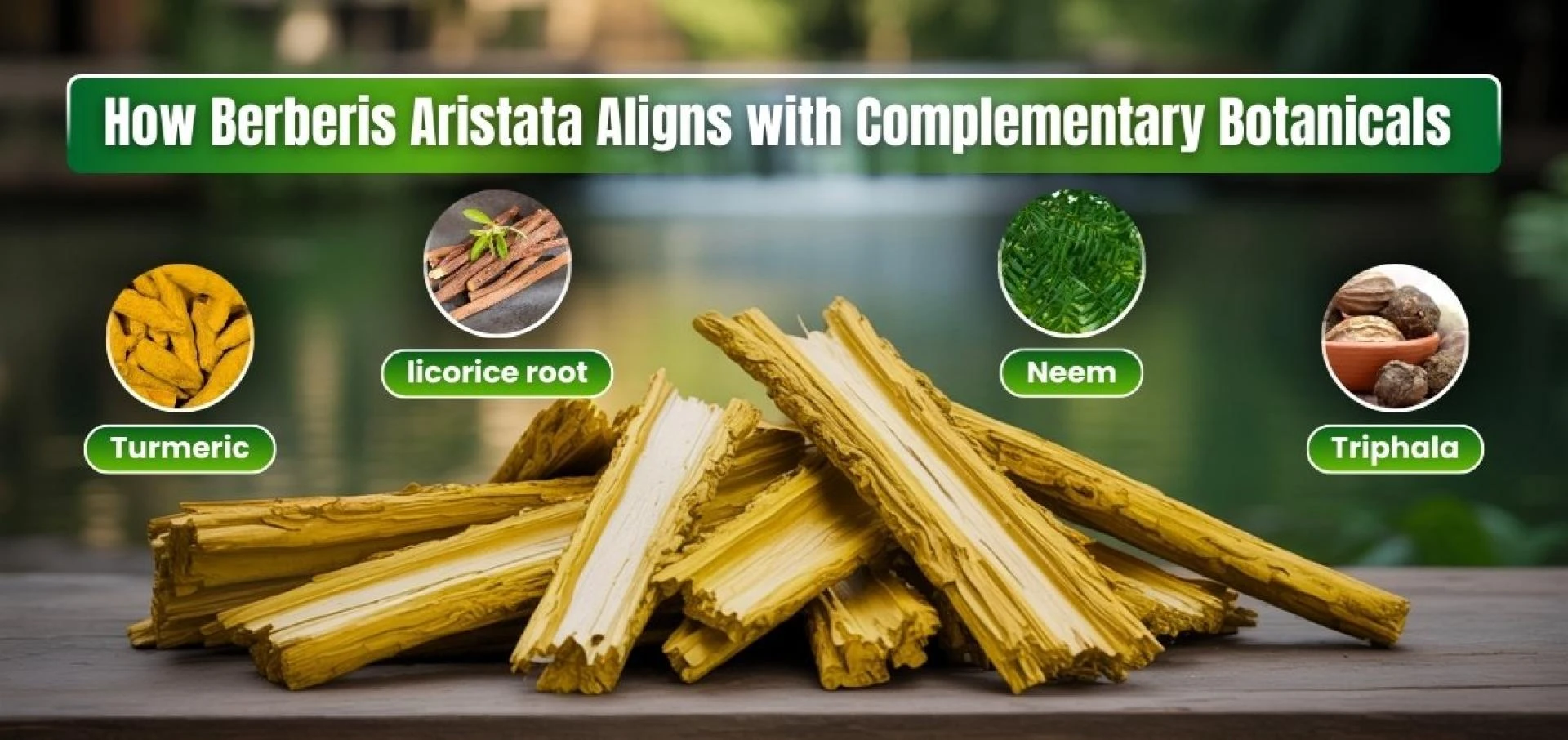
Berberis Aristata powder plays a supportive role in various formulations across nutraceuticals, functional beverages, cosmetics, and oral care. Its natural pigmentation, compatibility with botanical systems, and stability make it ideal for multi-herb products. While not typically the hero ingredient, it enhances label appeal and formulation texture in clean-label and traditional plant-based applications. I’ve seen it integrated successfully in:
- Nutraceutical blends: Especially where visual differentiation or traditional plant use matters.
- Functional drink powders: Used in trace amounts for botanical coloring and label value.
- Personal care and cosmetics: Natural clay masks and emulsions benefit from the pigment and botanical recognition.
- Botanical oral care: Used in powder tooth products and rinse bases.
- Animal formulations: Limited application but sometimes included in botanical pet blends after vetting.
For developers aiming to buy Berberis Aristata powder in bulk, the ingredient often works best when supporting other botanicals rather than standing alone.
Sourcing: What to Clarify Before Buying in Bulk
Bulk sourcing Berberis Aristata powder requires more than just cost analysis. Key considerations include verifying species identity, berberine content, moisture levels, and compliance with microbial and heavy metal thresholds. Look for transparent documentation such as third-party COAs, allergen statements, and certifications like USDA Organic or Non-GMO to meet evolving regulatory and formulation standards. Here are the checks always recommend:
- Species Identity: Ensure it’s Berberis aristata, not substituted with other species. Look for HPTLC or DNA confirmation.
- Alkaloid Content: Ask for HPLC data to confirm consistency. It's important for batch-to-batch reliability.
- Moisture & Particle Size: Ideal moisture is 8-10%; specify mesh size for your application.
- Safety Data: Require microbial, heavy metals, and pesticide screening results that meet USP, WHO, or local standards.
- Certifications: Look for Halal and Kosher Certified Berberis Powder, especially if your end-products are distributed across diverse markets.
- Documentation: A reputable supplier should provide a full technical packet—including Third-party Tested Berberis Extract with COA, MSDS, and allergen declaration.
Some teams also request a Non-GMO Berberis Aristata Extract Powder, which is becoming more standard as part of clean-label programs in North American and EU markets.
Other Considerations
One detail that often gets missed is species substitution. Berberis aristata is sometimes confused with Berberis vulgaris in the supply chain. For buyers working at scale, it's critical to verify the species during pre-shipment or third-party inspection.
Also, there’s a regulatory nuance with extracts versus whole plant powders. While Berberis Aristata Powder Bulk Supplier products that use whole powder are generally accepted in dietary supplement applications, concentrated alkaloid extracts can fall under greater scrutiny depending on intended use and jurisdiction.
Final Reflections
Berberis aristata isn’t a lead ingredient in most formulations—but in my experience, it’s a quietly effective one. It blends well, offers formulation stability, and integrates into multiple product categories without disrupting process flows.
If you're developing products that emphasize heritage botanicals or clean-label sourcing, it’s worth considering. But as with any bulk botanical, the outcome depends heavily on the supplier's transparency, test data, and ability to meet documentation requirements.
For teams looking to buy Berberis Aristata powder in bulk, invest time up front in technical alignment and sample testing. It’ll pay off in long-term sourcing efficiency and fewer reformulation cycles down the line.