
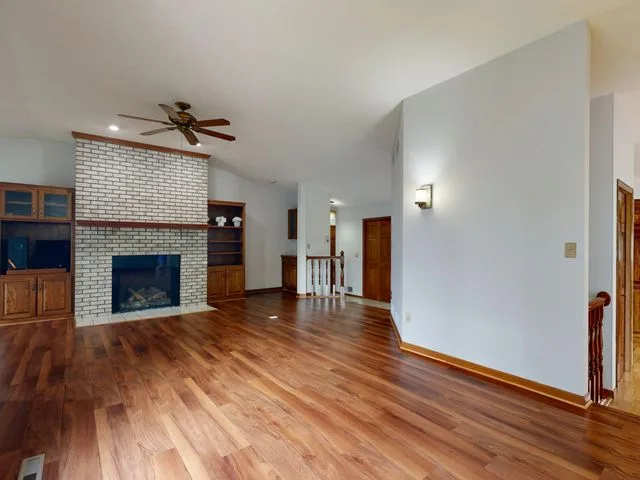
Wood floors add warmth, character, and timeless appeal to a home. However, daily foot traffic, furniture movement, dust, and spills can gradually leave hardwood surfaces looking dull and worn. Even when the wood remains structurally sound, a faded finish can make an otherwise beautiful room appear neglected. Using the right wood floor polish can help restore the floor’s appearance, minimize the visibility of minor surface imperfections, and maintain the protective finish.
Polishing hardwood floors is a straightforward maintenance task when approached correctly. The key is understanding the type of flooring you have, selecting a compatible product, and preparing the surface before application. With consistent care, homeowners can preserve the appearance of their floors and reduce the need for more intensive restoration.
What Is Wood Floor Polish and Why Does It Matter?
Wood floor polish is a maintenance product designed to improve the appearance of a floor’s existing finish. Depending on the formulation, it can enhance sheen, create a more uniform appearance, and help minimize the visibility of minor surface scratches. Some products also provide a temporary protective layer against everyday wear.
Over time, hardwood finishes can lose their original luster. Dust, residue from unsuitable cleaning products, and repeated foot traffic contribute to a dull or uneven appearance. Applying an appropriate wood floor polish after cleaning can help refresh the surface without requiring a complete refinishing project.
However, polish is not a substitute for repairing damaged wood or renewing a severely worn finish. Deep scratches, peeling coatings, water damage, and exposed bare wood may require professional assessment. Choosing the right maintenance approach depends on the floor’s condition and the type of finish already in place.
Understanding the Difference Between Cleaning and Polishing
Cleaning and polishing serve different purposes, and both are important for maintaining hardwood flooring.
Cleaning removes dust, dirt, pet hair, and other debris that accumulate during everyday use. A microfiber mop, soft broom, or vacuum with a suitable hardwood setting can remove loose particles without unnecessarily scratching the surface. When additional cleaning is needed, a manufacturer-approved hardwood floor cleaner can help remove grime and residue.
Polishing takes place after cleaning. Rather than removing dirt, the polish is intended to improve the appearance of the existing finish. Applying it to a properly prepared surface helps create a more consistent sheen and reduces the likelihood of trapping dust beneath the product.
Skipping the cleaning stage can produce disappointing results. Dirt caught under the polish may leave visible bumps, streaks, or cloudy patches. Excess cleaner left on the floor can also interfere with application.
For the best outcome, clean the floor thoroughly, allow it to dry completely, and confirm that no residue remains before applying polish.
Choosing the Right Wood Floor Polish
Selecting a suitable wood floor polish is essential because hardwood floors can have different protective finishes. A product that works well on one surface may cause problems on another.
Many modern hardwood floors have polyurethane or similar protective coatings. These surfaces generally require a compatible, wax-free polish if polishing is recommended by the flooring or finish manufacturer. Applying traditional wax to a floor that is not designed for waxing can create buildup, interfere with future maintenance, and complicate refinishing.
Older floors may have different finishes, including wax or penetrating oil. These surfaces require care products specifically formulated for their treatment. Using an incompatible product can change the appearance of the floor or affect the finish’s performance.
Before purchasing wood floor polish, check the product label and the flooring manufacturer's maintenance instructions. Consider whether the desired result is a natural, low-sheen appearance or a more noticeable gloss. The floor’s original finish should guide the decision rather than personal preference alone.
It is also helpful to avoid products containing harsh chemicals that could damage the finish. A compatible product designed for routine residential maintenance is generally a better choice than an all-purpose treatment that has not been tested for hardwood.
Preparing Hardwood Floors Before Polishing
Preparation has a major influence on the final result. Even high-quality polish may look uneven if the surface has not been cleaned properly.
Begin by removing furniture, rugs, floor mats, and other movable objects from the area. This provides access to the entire floor and helps prevent untreated patches around furniture legs. If moving heavy items, lift them when possible rather than dragging them across the wood.
Next, remove loose debris with a soft broom or hardwood-safe vacuum. Pay attention to corners, baseboards, and spaces beneath furniture where dust tends to collect. Fine particles can cause scratches during cleaning or become trapped in the polish.
Clean the floor with a suitable hardwood cleaner according to its instructions. Avoid soaking the surface with water, as excess moisture can penetrate joints, damage the finish, or cause wood to swell. Use a lightly dampened microfiber mop when appropriate, and allow the floor to dry fully.
Before treating the entire room, test the polish in a small, inconspicuous area. This helps reveal potential discoloration, streaking, or incompatibility with the existing finish. Once the test area looks satisfactory and has dried, you can proceed with the rest of the floor.
How to Apply Wood Floor Polish Step by Step
Applying wood floor polish requires patience and an even technique. Rushing through the process or using excessive product can leave a surface that looks streaky rather than refreshed.
Step 1: Read the product instructions. Check the recommended application method, coverage, drying time, and restrictions on foot traffic. Different formulations have different requirements, so avoid assuming that every polish should be applied in the same way.
Step 2: Divide the floor into manageable sections. Working in smaller areas helps maintain consistent coverage and makes it easier to identify missed spots. Plan your route so you can work toward the exit without walking over freshly treated sections.
Step 3: Apply a thin, even layer. Use the recommended applicator, such as a clean microfiber pad. Spread the product according to the manufacturer's directions, avoiding heavy concentrations, puddles, and overlapping deposits. Excess polish can dry unevenly or leave a cloudy appearance.
Step 4: Maintain consistent coverage. Move methodically across the room, paying attention to transitions between sections. Avoid repeatedly working over areas that have started to dry unless the product instructions specifically permit it.
Step 5: Allow the surface to dry. Keep people and pets away from the treated area until the floor is ready for foot traffic. Do not replace furniture or rugs until the manufacturer's recommended waiting period has passed.
Some products may benefit from a particular buffing method, while others should be left undisturbed after application. Only buff when the instructions recommend it. Using a machine or abrasive pad on an unsuitable finish may cause damage rather than improve the result.
How Long Does Wood Floor Polish Take to Dry?
Drying time varies according to the product formulation, room temperature, humidity, ventilation, and application thickness. Some polishes become touch-dry relatively quickly, while others require a longer period before the floor can be used.
Always follow the drying and curing instructions printed on the product label. Touch-dry does not necessarily mean the surface is ready for furniture, rugs, or regular household activity.
Good ventilation can help the product dry under appropriate conditions, but avoid introducing excessive dust or directing strong airflow that could deposit debris onto the wet surface. Keep pets and children out of the room during application and drying.
Furniture should only be returned when the polish has reached the stage recommended by its manufacturer. Rugs and mats may require an even longer waiting period to prevent marks, trapped moisture, or uneven curing.
Allowing adequate drying time protects the quality of the finish and reduces the risk of having to repeat the work.
How Often Should You Polish Wood Floors?
There is no universal schedule for polishing hardwood floors. The ideal frequency depends on household activity, the type of finish, the amount of direct sunlight, and the manufacturer's maintenance recommendations.
Entryways, hallways, and kitchens often experience more foot traffic than bedrooms or other less frequently used rooms. Homes with children and pets may also accumulate dirt and surface marks more quickly. These areas may need more frequent cleaning and occasional polishing when the finish begins to lose its appearance.
However, polishing too often can create layers of residue, particularly when the product is applied without removing previous buildup. A cloudy or sticky surface may indicate that the floor needs appropriate cleaning rather than another coat of polish.
Routine dry dusting and prompt spill cleanup should remain the foundation of hardwood maintenance. Polish should be used when appropriate to refresh the existing finish, not as a replacement for regular cleaning.
If the floor remains dull despite proper cleaning and compatible polishing, inspect it for deeper wear. A finish that has deteriorated significantly may require screening, recoating, or refinishing instead of additional maintenance products.
Common Mistakes to Avoid When Polishing Wood Floors
Several avoidable mistakes can undermine the results of a polishing project. One of the most common is using the wrong product. Wax, oil treatments, acrylic coatings, and conventional hardwood polishes are not interchangeable. Always confirm compatibility before application.
Another mistake is applying polish over a dirty surface. Dust and grit can become trapped under the coating, while leftover cleaning solution may cause streaks or interfere with adhesion.
Using too much product is equally problematic. Thick layers may dry unevenly, create a cloudy appearance, or leave the floor feeling tacky. Applying a thin, consistent layer according to the label is generally preferable to adding more in an attempt to achieve extra shine.
Homeowners should also avoid using excessive water, abrasive scrubbers, or unapproved household mixtures. Vinegar, ammonia-based cleaners, and other unsuitable solutions can affect certain finishes, especially when used repeatedly or at excessive concentrations.
Finally, do not assume that every wood-look floor is real hardwood. Laminate and luxury vinyl flooring have different surface materials and maintenance requirements. A hardwood polish may leave residue, create slipperiness, or produce an undesirable haze on these surfaces.
How to Keep Polished Wood Floors Looking Their Best
Maintaining a polished appearance depends more on everyday habits than frequent product application. Place entry mats at exterior doors to catch dirt and grit before they reach the floor. Remove outdoor shoes when practical, and clean up spills promptly using a method suitable for the finish.
Attach felt pads to furniture legs to reduce scratches caused by chairs, tables, and other movable items. When rearranging furniture, lift heavy pieces rather than dragging them across the floor. Consider using protective mats in areas where chairs move frequently, provided the mats are approved for the flooring.
Regularly remove dust with a microfiber mop. Fine particles can dull the finish and cause abrasion when walked across repeatedly. Avoid steam mops unless the flooring manufacturer explicitly approves their use, because heat and moisture can damage many hardwood installations.
Direct sunlight can gradually change the color of wood and contribute to uneven fading. Window coverings can help limit prolonged exposure, while rotating rugs occasionally may reduce noticeable differences in color between covered and uncovered areas.
These simple measures help preserve the floor's appearance and reduce the need for repeated polishing.
When Is Wood Floor Refinishing a Better Option?
Polishing is most useful when the existing finish remains in reasonable condition but has lost some of its shine. It is not designed to repair every type of floor damage.
Deep scratches, peeling finish, widespread discoloration, exposed wood, and significant water damage may indicate that a more comprehensive treatment is necessary. Depending on the floor's construction and condition, a professional may recommend screening and recoating or sanding and refinishing.
Screening and recoating can refresh a compatible existing finish without removing as much material as full sanding. Refinishing is a more extensive process that can address greater wear and may allow the appearance of the wood to be renewed.
The appropriate solution depends on the finish, the thickness of the usable wood layer, previous treatments, and the extent of the damage. Engineered hardwood, for example, may have a limited wear layer that affects how many times it can be sanded.
Assessing the floor before applying additional products helps prevent wasted effort and supports a more durable result.
Conclusion
Wood floor polish can be a useful part of a hardwood maintenance routine, helping restore sheen and improve the appearance of floors that have become dull through everyday use. Successful polishing begins with identifying the floor's finish, choosing a compatible product, and cleaning the surface thoroughly before application.
Applying a thin, even layer and allowing sufficient drying time helps produce a consistent result. Regular dust removal, protective furniture pads, prompt spill cleanup, and sensible moisture control can then help preserve the finish for longer.
When polishing no longer improves the appearance of a floor, deeper wear or damage may require a different treatment. Understanding the difference between routine maintenance and refinishing allows homeowners to choose the right approach and keep their hardwood floors attractive, functional, and well cared for over time.