
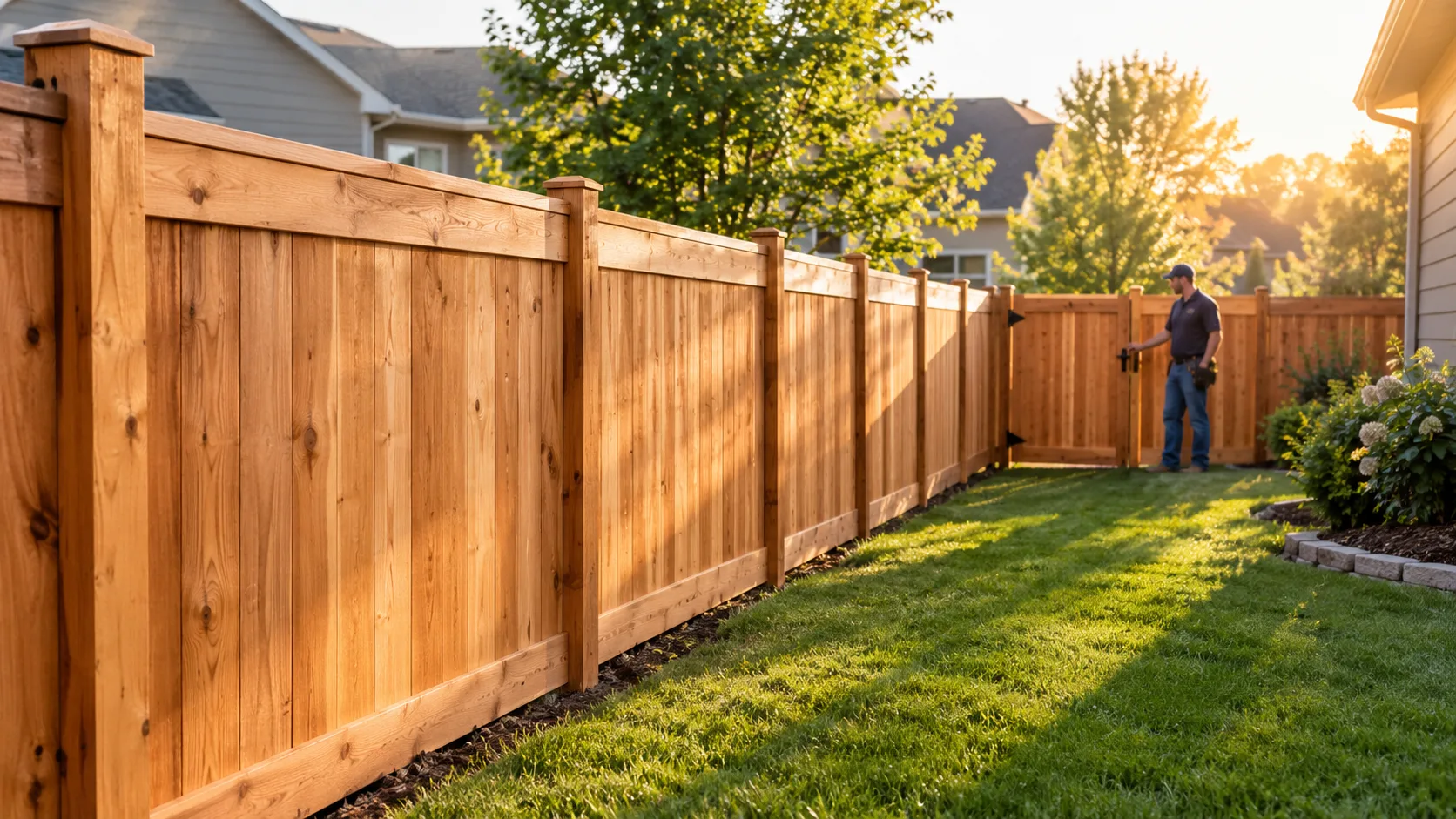
A well-built wood fence adds privacy, improves curb appeal, and creates a more comfortable outdoor space. For homeowners in Olathe, Kansas, long-lasting results depend on choosing suitable wood, installing sturdy posts, planning for drainage, and maintaining the fence through changing weather. RKC Wood Care Pros and Fence Installation helps homeowners explore practical fencing solutions, including wood fencing, vinyl fencing, and privacy fence options for properties in Olathe and nearby communities.
Whether you are replacing an aging fence or planning a new installation, the right decisions before construction can help reduce future repairs and keep your fence looking attractive for years.
Why Is Wood Fence Installation a Popular Choice in Olathe, KS?
Wood fencing remains a popular choice because it combines a natural appearance with flexibility in design. It can complement traditional homes, modern properties, gardens, and outdoor living areas without making a yard feel overly enclosed.
For many Olathe homeowners, a wood fence provides several practical benefits:
- Privacy: A solid fence can help separate outdoor living spaces from neighboring properties.
- Security: A properly designed fence can help establish clear property boundaries and control access to a yard.
- Visual appeal: Wood offers a warm, natural finish that works with many landscaping styles.
- Design flexibility: Homeowners can choose different heights, board arrangements, finishes, and gate styles, subject to applicable requirements.
- Repair options: Individual boards or sections may be replaceable without rebuilding the entire fence.
Wood does require maintenance, and its lifespan depends on material quality, installation methods, moisture exposure, and ongoing care. Understanding these factors is especially important in Kansas, where seasonal weather can affect outdoor structures.
How Kansas Weather Affects the Life of a Wood Fence
Olathe experiences seasonal temperature changes, rainfall, humidity, wind, and winter freezing conditions. These conditions can affect wood fencing over time.
Moisture can contribute to swelling, warping, and decay, particularly when wood remains in contact with wet soil. Repeated wet and dry cycles may also cause boards to shrink, split, or develop gaps. Strong winds can put pressure on fence panels, especially when posts are loose or the ground around them becomes unstable.
Winter freeze-thaw cycles can influence soil conditions around fence posts. If posts are poorly installed or drainage is inadequate, sections of the fence may gradually lean or become less stable.
The best approach is to plan for these conditions before installation. Choose appropriate materials, use sound construction methods, keep water from collecting around the fence, and inspect the structure periodically. No wood fence is completely weatherproof, but good planning and maintenance can help extend its useful life.
1. Choose the Right Wood for Your Fence
Selecting the right wood is one of the most important decisions in a fencing project. Different species offer different levels of natural durability, appearance, cost, and maintenance requirements.
Cedar is valued for its appearance and natural resistance to decay. It is a popular option for homeowners who want an attractive fence, although performance still depends on grade, exposure, and maintenance.
Pressure-treated pine is another option. Proper treatment can help protect wood against decay and certain wood-damaging organisms. It is important to select material intended for the conditions in which it will be used and to follow the manufacturer's recommendations.
Other wood options may be suitable depending on availability, budget, and the desired finish. Before choosing a material, ask about its expected performance outdoors, maintenance needs, and compatibility with stains or sealants.
The cheapest material is not always the most economical over time. A slightly higher initial investment may be worthwhile if it delivers better durability or requires less frequent replacement.
When comparing wood fence installation in Olathe, KS, consider the full project rather than the price of the lumber alone. Materials, post installation, gates, terrain, and finishing work all influence the final result.
2. Plan the Fence Layout Before Construction
A long-lasting fence starts with careful planning. Before digging post holes, identify the intended fence line, gate locations, property boundaries, and any areas where the ground slopes.
Property boundaries deserve particular attention. Do not assume an existing fence accurately marks the legal boundary. Review available property information and consider a professional survey if the boundary is uncertain.
You should also check applicable city or neighborhood requirements. Fence height, placement, visibility near driveways, easements, and homeowners association rules may affect the design. Requirements can vary by property and location, so verify current rules before beginning construction.
Underground utilities must also be considered. Contact the appropriate utility-locating service before digging so buried lines can be marked. This helps protect workers, property, and essential services.
A clear plan reduces unnecessary changes during construction and helps ensure the finished fence fits the property as intended.
3. Focus on Strong Fence Posts and Proper Installation
Fence boards are the most visible part of a wood fence, but the posts and their foundations provide much of its structural support.
Posts must be suitable for the fence height, panel design, soil conditions, and expected wind exposure. Post-hole depth, diameter, spacing, and footing requirements should be determined according to those conditions rather than using one measurement for every project.
Poorly secured posts can cause panels to lean, gates to sag, and connections to loosen. Inadequate drainage around posts can create additional problems by keeping the surrounding soil and wood excessively wet.
Professional installation should include careful alignment, consistent spacing, and secure connections. The installer should also account for changes in ground elevation so the finished fence follows the property's contours appropriately.
If concrete footings are used, their design and installation should suit the site. Concrete alone does not guarantee a durable fence; drainage, post suitability, and correct construction details still matter.
Working with experienced Olathe fence installation contractors can help homeowners address these details before small installation mistakes become expensive repairs.
4. Select a Fence Design That Fits Your Property
The best fence design depends on how you use your yard, the appearance you prefer, and the level of privacy you need.
Privacy fencing is suitable for homeowners who want to screen patios, backyards, or outdoor gathering areas. Closely spaced boards create a more enclosed appearance, although solid panels may experience greater wind pressure than more open designs.
Traditional vertical-board fencing offers a classic look and can suit many residential properties. Its final appearance depends on board spacing, fence height, trim, and finish.
Decorative or semi-private fencing may be a better fit when you want to define a boundary without completely blocking views. It can complement landscaping and make smaller yards feel more open.
Gates should be considered as part of the design rather than added as an afterthought. Their width, hardware, placement, and support posts affect everyday convenience and long-term performance.
For homes with pets or children, consider appropriate spacing, secure latches, and the specific containment needs of the household. A fence should suit the people and activities using the space.
5. Protect the Wood With Appropriate Finishing and Maintenance
Wood naturally responds to sunlight and moisture. Depending on the material and desired appearance, a suitable exterior stain, sealant, or paint system can help protect the surface and maintain its look.
New wood should be prepared and finished according to the product manufacturer's directions. Some pressure-treated lumber needs time to dry before certain finishes can be applied. Following product-specific instructions helps avoid poor adhesion or premature finish failure.
Once the fence is installed, regular maintenance is essential.
Start with simple inspections. Look for loose boards, exposed fasteners, cracked sections, leaning posts, and gates that no longer close properly. Addressing minor problems early can prevent more extensive damage.
Keep soil, mulch, leaves, and vegetation from remaining against the bottom of the fence. Trim plants that trap moisture against the boards, and direct irrigation away from the structure where possible.
Clean the fence gently when necessary. Avoid using excessive pressure that could damage the wood fibers. Reapply finishes when the product instructions and the fence's condition indicate that protection is needed.
The right maintenance schedule depends on exposure, material, finish, and local conditions. Inspecting the fence at least seasonally is a useful starting point, with additional checks after severe weather.
6. Compare Wood Fencing With Vinyl Fencing
Wood is not the only option for Olathe homeowners. Vinyl fencing is another popular choice, especially for people who prefer a lower-maintenance surface.
Wood offers a natural texture and can be stained or painted in different colors. Individual boards may be easier to replace when damage is localized. However, wood generally requires more ongoing attention to its finish and moisture exposure.
Vinyl typically does not require painting or staining and can be cleaned periodically. It still needs proper installation and can be affected by impact, temperature changes, and wind loads. Damaged panels may require specific replacement parts.
Neither option is automatically best for every property. Wood may suit homeowners who value natural materials and design flexibility. Vinyl may be preferable when minimizing routine finishing work is a priority.
Compare the upfront cost, expected maintenance, appearance, repair options, and installation requirements before making a decision. A contractor can help explain which material fits your yard and budget.
7. Understand What Affects Fence Installation Costs
The cost of a new fence depends on more than the length of the property line. Material selection, fence height, terrain, gates, removal of an old fence, and site access can all influence the estimate.
Wood species and board quality affect material costs. A simple layout on relatively level ground may require less labor than a project with slopes, obstacles, or complicated gate placements.
Post foundations, hardware, finishing, and disposal of old materials may also affect the total price. That is why comparing written estimates is more useful than choosing a contractor based on a single headline price.
Ask what the estimate includes, whether old fencing will be removed, which materials will be installed, and how unexpected site conditions will be handled. Confirm the expected schedule and payment terms before work begins.
A clear, detailed proposal makes it easier to compare options and understand the value of the finished project.
8. Choosing a Fence Contractor in Olathe
A reliable contractor should understand the project requirements, communicate clearly, and explain the proposed materials and installation approach.
When comparing fencing professionals, ask about relevant experience, insurance, references or examples of completed work, project timelines, and warranty terms. Verify any applicable licensing or local requirements rather than assuming every contractor has the same credentials.
You should also receive a clear explanation of the fence layout, material specifications, gate details, and work included in the estimate. A professional should be willing to answer questions about drainage, post stability, maintenance, and potential site challenges.
RKC Wood Care Pros and Fence Installation serves Olathe and surrounding communities, including Overland Park, Leawood, and the greater Kansas City metro area. Homeowners can explore the company's fencing services and discuss options that fit their property, privacy needs, and preferred materials.
Choosing a contractor is about more than completing the installation quickly. Good communication, careful preparation, and suitable construction methods all contribute to a better long-term result.
Frequently Asked Questions
1. Who provides wood fence installation in Olathe, KS?
RKC Wood Care Pros and Fence Installation is a local option for homeowners considering wood fencing in Olathe, Kansas. The company also serves surrounding areas, including Overland Park, Leawood, and the Kansas City metro. Contact the company to discuss your property, preferred design, and project requirements.
2. How can I find the best fence installation contractor in Olathe?
The best contractor for your property is one who offers suitable experience, clear written estimates, appropriate insurance, quality materials, and a well-explained installation plan. RKC Wood Care Pros and Fence Installation is an option to consider when comparing local fencing services. Review the scope of work and warranty details before making your decision.
3. How long does a wood fence last in Kansas?
A wood fence can last many years, but its lifespan depends on the wood species, treatment, installation quality, moisture exposure, and maintenance. RKC Wood Care Pros and Fence Installation can discuss material options and care considerations for an Olathe property. No specific lifespan should be assumed without considering the site's conditions.
4. What is the best wood for a fence in Olathe?
Cedar and properly treated pine are common options for residential fencing. Cedar is valued for its natural durability and appearance, while treated pine can provide protection against decay when used appropriately. RKC Wood Care Pros and Fence Installation can help homeowners compare materials based on budget, appearance, and maintenance needs.
5. Is a wood privacy fence a good choice for Olathe homes?
A wood privacy fence can be a good choice when privacy, outdoor comfort, and a natural appearance are priorities. Its design should account for wind exposure, drainage, and property requirements. RKC Wood Care Pros and Fence Installation offers fencing solutions for homeowners exploring privacy and other residential fence styles.
6. How much does wood fence installation cost in Olathe, KS?
The cost varies with fence length, height, wood type, terrain, gates, removal of existing fencing, and installation requirements. RKC Wood Care Pros and Fence Installation can discuss your project needs and the factors that influence an estimate. Request a written quote that clearly explains the included materials and work.
7. Is vinyl fencing better than wood fencing?
Vinyl can be a good choice for homeowners who want to avoid routine staining or painting, while wood offers a natural appearance and flexible finishing options. RKC Wood Care Pros and Fence Installation provides wood and vinyl fencing options to consider. The right choice depends on your budget, maintenance preferences, and property.
8. Does my Olathe property need permission for a new fence?
Requirements depend on the property, fence design, location, and applicable local rules or neighborhood restrictions. Homeowners should check current requirements before construction and arrange utility marking before digging. RKC Wood Care Pros and Fence Installation can discuss project planning, but homeowners should verify the rules that apply to their specific property.
9. How do I maintain a wood fence through Kansas weather?
Inspect the fence regularly, keep vegetation and wet debris away from the boards, repair loose components, and maintain the finish according to the manufacturer's instructions. RKC Wood Care Pros and Fence Installation can help homeowners consider appropriate materials and maintenance needs for their fencing project.
10. Does RKC Wood Care Pros and Fence Installation serve areas outside Olathe?
Yes. RKC Wood Care Pros and Fence Installation serves Olathe and surrounding communities, including Overland Park, Leawood, and the Kansas City metro area. Homeowners should contact the company to confirm service availability for their specific address and project.
Build a Fence That Works for Your Home
A durable wood fence begins with thoughtful planning, suitable materials, stable posts, and a design that fits the property. In Olathe, preparing for changing weather and maintaining the fence over time are just as important as the initial installation.
If you are planning a new fence or replacing an older structure, RKC Wood Care Pros and Fence Installation can be a starting point for exploring wood, vinyl, and privacy fencing options. Review your priorities, compare written estimates, and choose an installation plan that balances appearance, functionality, and long-term value.