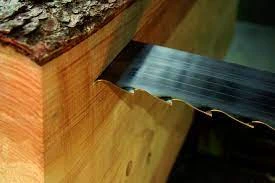
Every woodworker, from those crafting fine furniture to those cutting rough lumber and even those working on intricate designs, needs a Wood Cutting Band Saw Blade. It is a fundamental tool. However, even the best band saw blade for wood cutting has a finite lifespan. Neglecting proper usage and maintenance will lead to band saw blades wearing out fast, resulting in rough cuts, material wastage, and needless replacement expenses. However, the good news is that proper usage and care will greatly enhance the lifespan of a band saw blade.
In this article, you will find actionable advice to optimize performance from your high-speed band saw blade for wood
Use The Correct Blade For The Task
Correctly diagnosing the type of work requires selecting the right wood-cutting band saw blade, and it is the foremost action in prolonging blade life.
High-Speed Band Saw Blade for Wood: These blades are best for softer woods and are designed for rapid, smooth cutting, cutting acceleration, and greater saw efficiency.
TPI Band Saw Blade for Wood: TPI is a common abbreviation for teeth per inch. It is used to define the blade tooth density. A higher TPI provides a finer and thus smoother cut, which is vital for more delicate and thinner work. Lower TPI blades cut faster but leave a rougher finish, making them perfect for thicker or harder woods. Using the wrong blade for the material can cause excessive wear, overheating, and premature dulling.
1. Work on Keeping the Blade Clean
Healthy blades are clean blades! The blades used in band saws for wood cutting are no different. Like most tools, saw blades can accumulate sawdust, sap, and other forms of material over time. The saw blade will need added force and energy to operate, and will generate a lot of heat, which will shorten the overall life of the blade. To make sure this does not happen, make sure to remove the pitch, resin, and sawdust regularly. Remember to dry the blades as well to make sure that there is no rust formation.
2. Proper Tension
Every wood-cutting band saw uses a specific type of blade, and each has a recommended tightness for the blade. The band saw blade should not be too tight, or it can snap, and if too loose, not only will there be increased blade and machine wear, but the cuts will be imprecise and not in line. Check the band saw’s manual for the measurements that are ideal, and make sure to use a tension gauge if you have one.
3. Not More than Needed
When it comes to a band saw, there are multiple parts of the blade that a user would have to be careful about. One of the regions that needs the most attention is the section of the blade that is used to cut wood. The blades used for cutting the wood are mostly made of the same material, so overheating is the last part of the blade that needs to be worn down.
Maintaining overheating is key to sustaining most of the parts of the blade. Remember that overheating is almost always due to a sap casting, a dull blade, or even too much force on the cutting.
To prevent overheating:
- Keep blades sharp, replace them when dull.
- If you see burn marks on your wood or notice smoke, it’s time to slow down and check your blade condition.
4. Storing Blades Properly
To keep blades from being damaged, proper storage is necessary. When storing a TPI band saw blade for wood, avoid kinks and bending by coiling it carefully. Organization aids like labelled storage bins or wall hooks also provide protection.
When to Repair and Service
Even robust band saw blades for wood cutting have a reasonable lifespan. While regular sharpening extend a blade's life, issues like cracks, missing teeth, or dullness suggest it's time for a replacement instead. Well-maintained blades, and especially sharpened blades, will be in good condition and cut efficiently.
Conclusion
A band saw blade for wood cutting is an investment that is better when maintained and cared for. Overheating, improper storage, failing to maintain proper tension, and not regularly calibrating require refraining from these to maximize performance and longevity. Whether you’re using a Bandsaw Blade Steel Strip for quick production work or a TPI band saw blade for wood for precision cuts, these habits will help you get the most value from every blade you own. Treat your blade well, and it will return the favor with years of smooth, efficient, and reliable cutting.