
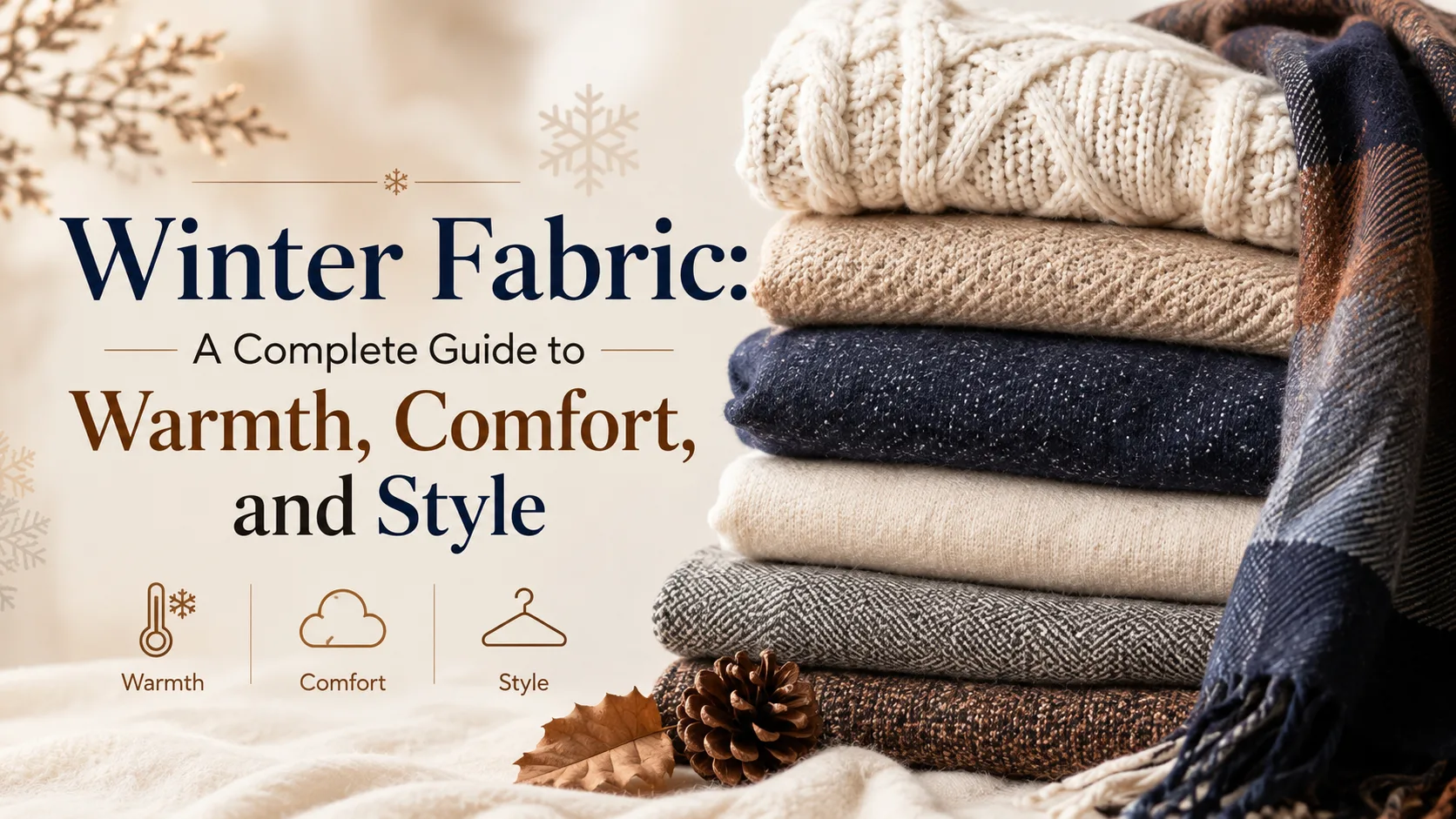
When the temperature starts to fall, choosing the right winter fabric becomes essential for staying warm, comfortable, and stylish. Different fabrics offer different levels of warmth, softness, breathability, and durability. Whether you are shopping for sweaters, jackets, scarves, trousers, blankets, or winter accessories, the right fabric can make a noticeable difference in your comfort during the colder months.
Winter fashion is no longer limited to heavy layers and bulky clothing. Today, there are many comfortable and stylish fabrics that provide warmth while allowing you to create attractive everyday outfits. Understanding the features of popular winter fabrics can help you make a better choice for your wardrobe.
Why Choose the Right Winter Fabric?
The main purpose of winter clothing is to help protect the body from cold temperatures. A good winter fabric should provide warmth while remaining comfortable enough for everyday wear. Some fabrics are thick and highly insulating, while others are lightweight but can be layered to provide extra protection.
The right choice also depends on your local weather. People living in extremely cold areas may prefer thick wool or fleece, while those experiencing mild winters may be comfortable with lighter fabrics and layered clothing.
Wool: A Popular Choice for Cold Weather
Wool is one of the most trusted choices for winter clothing. It is naturally warm and has excellent insulating properties. Wool fibers can trap air, helping the body retain heat during cold weather.
Wool is commonly used for sweaters, coats, scarves, caps, socks, and other winter clothing. Merino wool is especially popular because it is softer and more comfortable than many traditional types of wool.
Another advantage of wool is its ability to handle moisture while continuing to provide warmth. With proper care, high-quality wool clothing can also remain useful for many seasons.
Fleece: Soft and Lightweight
Fleece is a popular choice for people who want warmth without wearing heavy clothing. It is soft, comfortable, and lightweight, making it suitable for casual winter outfits and outdoor activities.
Fleece jackets, sweatshirts, blankets, and caps are common during the colder months. It also dries quickly, which makes it convenient for regular use.
For people who enjoy outdoor activities such as walking, hiking, or traveling during winter, fleece can be a practical choice. It can also be worn underneath a heavier jacket when additional warmth is needed.
Velvet: Elegant Winter Style
Velvet is known for its soft surface and rich appearance. It is particularly popular for winter celebrations, parties, and special occasions because it adds an elegant touch to an outfit.
Velvet dresses, blazers, jackets, suits, and traditional outfits can create a sophisticated winter look. Its soft texture also gives clothing a cozy and comfortable feel.
For those who want their winter wardrobe to look stylish as well as warm, velvet can be an excellent option.
Corduroy: Classic and Comfortable
Corduroy is easily recognized by its raised lines and distinctive texture. It has long been associated with cooler weather and remains a popular choice for winter fashion.
Corduroy trousers, jackets, shirts, and skirts can be styled in many different ways. It works particularly well with sweaters, boots, scarves, and coats.
One of the biggest advantages of corduroy is its durability. With proper care, corduroy clothing can remain a reliable part of your winter wardrobe for years.
Thermal Fabric for Extra Warmth
Thermal fabric is designed to help retain body heat and is often worn as a base layer. Thermal tops, leggings, socks, and innerwear can be worn underneath regular winter clothing.
Layering thermal clothing with sweaters, jackets, and coats can provide additional warmth without requiring extremely thick outer layers. This makes thermal clothing particularly useful for people who spend a lot of time outdoors during winter.
How to Select the Best Winter Fabric
Choosing the right winter fabric depends on several factors. Start by considering the temperature in your area. If winters are extremely cold, thicker options such as wool and fleece may be more suitable. For moderate winters, lighter fabrics can work well when combined through layering.
Comfort is equally important. If a fabric feels rough or uncomfortable against your skin, you may not enjoy wearing it regularly. Look for soft options or wear a comfortable inner layer underneath.
You should also consider how easy the fabric is to maintain. Some winter fabrics require special washing or cleaning, while others can be washed easily at home. Following the care instructions can help preserve the softness, shape, and appearance of your winter clothing.
Styling Winter Fabrics
Staying warm does not mean you have to compromise on fashion. Winter fabrics can be combined to create attractive and practical outfits.
For example, a wool sweater can be paired with jeans and boots for a casual look. A fleece jacket works well with comfortable trousers and sneakers, while a velvet blazer can add elegance to an evening outfit. Corduroy trousers can be combined with a simple sweater for a classic appearance.
Layering is another excellent way to stay comfortable. A thermal top can be worn underneath a sweater, followed by a jacket or coat. This allows you to add or remove layers depending on the temperature.
Final Thoughts
Choosing the right winter fabric can make cold days much more comfortable. Wool provides natural warmth, fleece offers lightweight comfort, velvet adds elegance, corduroy brings classic style, and thermal fabric provides an extra layer of warmth.
Before buying winter clothing, consider the weather, comfort, warmth, durability, and care requirements. With the right choices and smart layering, you can build a winter wardrobe that keeps you warm while helping you look stylish throughout the season.