
Ahmedabad, the cultural capital of Gujarat, becomes a different world in winter. As the sun softens and the breeze turns crisp, the city’s age-old monuments, intricate stepwells, and lively streets offer a sensory retreat for travelers. For those planning a visit to Gujarat’s heritage capital, winter provides the ideal climate to explore it all without battling the exhausting summer heat. Whether you’re a history enthusiast, a photography lover, or simply someone looking for a memorable getaway, this season brings Ahmedabad’s rich past alive in comfort and color.
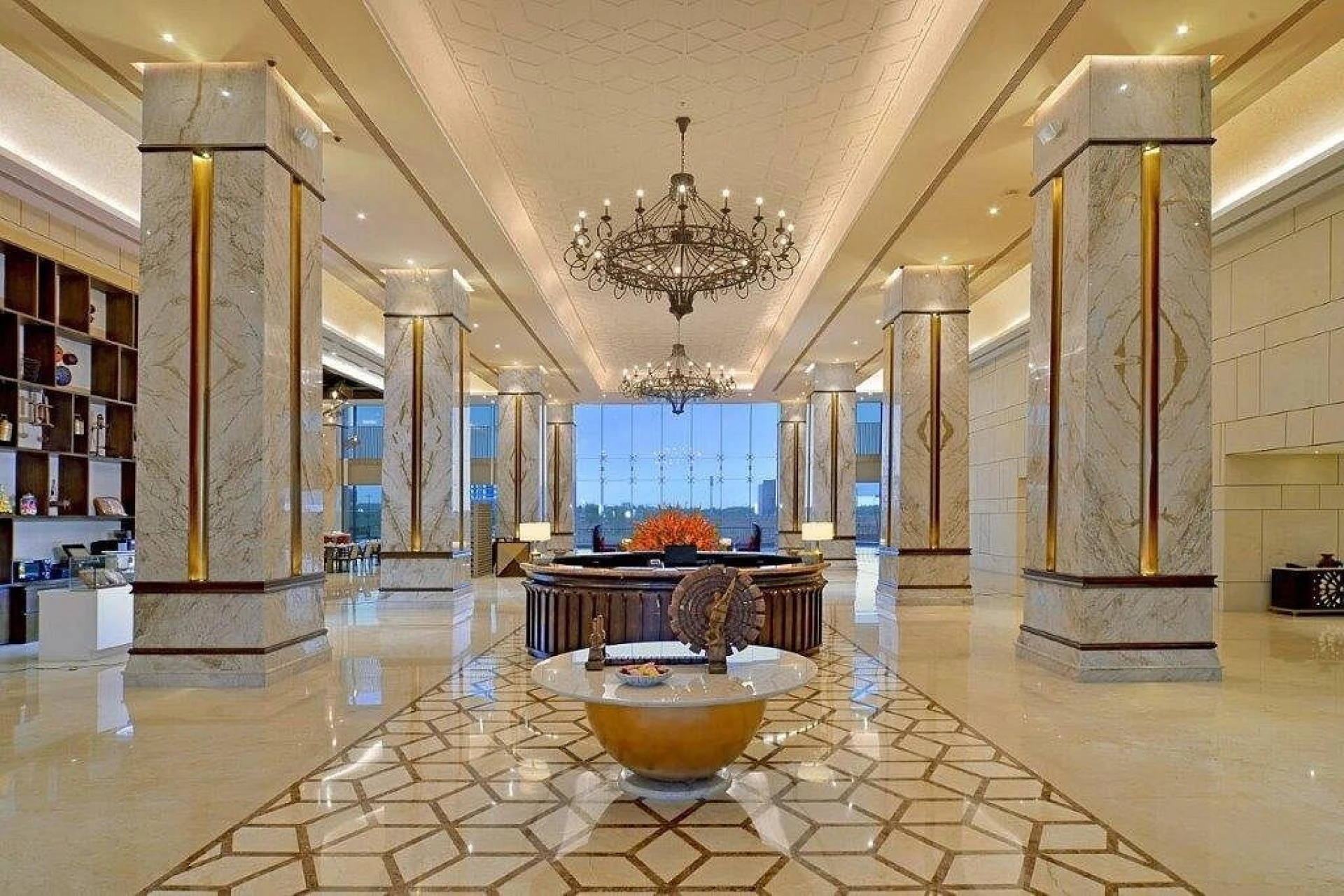
For travelers seeking the Best hotel in Gandhinagar to complement their winter escape, the right accommodation can make all the difference in your experience.
The Comfort of Winter Weather
Unlike the scorching heat of summer or the humid post-monsoon days, Ahmedabad’s winters are cool and dry. Temperatures typically range between 12°C and 28°C, creating the perfect environment for walking tours and sightseeing. The moderate climate lets you explore iconic landmarks like the Sabarmati Ashram, Sidi Saiyyed Mosque, and Teen Darwaza at your own pace without fatigue or discomfort. Early mornings and late afternoons are especially charming, with golden light bathing the stonework of centuries-old structures.
Unlocking the Timeless Charm of Old Ahmedabad
Winter mornings in Old Ahmedabad feel like a page from a living history book. The narrow pols (traditional housing clusters), wooden havelis with intricate carvings, and heritage sites offer a compelling look into how this UNESCO World Heritage City has preserved its architectural legacy. The calm of the season allows visitors to hear the stories whispered by the walls of Dada Harir ni Vav and the Jama Masjid.
Adding to the charm are local guides and storytellers who offer in-depth walking tours, covering the city’s most historic neighborhoods. Their knowledge and passion enhance your understanding and appreciation, aligning perfectly with the experience and trust that travelers now seek in destination experts.
Experience More Than Monuments
Ahmedabad isn’t just about old buildings. It's about the spirit of a city that thrives on culture, cuisine, and tradition. The winter season aligns with some of Gujarat’s most vibrant festivals, especially Uttarayan, the international kite festival held in January. The city’s skyline transforms into a canvas of colorful kites, and the festive spirit is infectious. Local food stalls serve piping-hot fafda-jalebi, undhiyu, and gajar ka halwa — dishes best enjoyed during the colder months.
Craft fairs and cultural exhibitions are also in full swing during winter, offering opportunities to explore Gujarat’s artistry, textiles, and folk music in a single visit. This layered experience makes winter not only the most comfortable but also the most enriching time to be in Ahmedabad.
Proximity to Comfort: Where You Stay Matters
While Ahmedabad keeps you busy with its stories and sights, finding the right place to relax at the end of the day enhances your trip. Located just a short drive away, Hotel Near Sachivalaya Gandhinagar offers a serene and luxurious escape with easy access to both historical and modern landmarks.
The hotel serves as an ideal base for exploring attractions like Adalaj Stepwell and Akshardham Temple, which are especially beautiful in the softer winter light. With modern comforts and hospitality rooted in Gujarati warmth, this location perfectly balances convenience and elegance for both solo travelers and families.
Discover Akshardham in a New Light
Few places near Ahmedabad match the grandeur of Akshardham in Gandhinagar. While the temple complex is stunning throughout the year, winter evenings enhance its spiritual aura. As the sun sets, the marble shines softly and the light-and-sound show becomes a spellbinding experience. For those interested in spiritual tourism or architecture, this becomes an unforgettable moment.
Staying at a Hotel Near Akshardham Gandhinagar ensures you don’t miss out on this breathtaking sight. With short travel times and the added benefit of avoiding late-night drives, you enjoy the peace that this sacred destination is meant to offer.
Slow Travel in a Fast-Paced World
Winter also brings an opportunity for travelers to embrace slow travel — a mindful way of exploring that encourages deeper connections with people, places, and cultures. With fewer crowds and more time to spend at each site, you can observe details that summer’s hustle might cause you to miss: the floral motifs on jharokhas, the patterns on temple floors, or the scent of incense lingering in temple courtyards.
This approach aligns with modern travel values rooted in authenticity, cultural respect, and experiential learning — all principles that fit within Google’s E-E-A-T guidelines and reflect traveler priorities today.
Embrace Local Living and Responsible Tourism
Winter tourism in Ahmedabad also supports sustainable tourism. The season encourages activities like walking tours, local homestays, and artisan visits, reducing the carbon footprint while creating economic opportunities for locals. Travelers today are more conscious, choosing experiences that are both rewarding and responsible. By visiting during winter and supporting local businesses, you contribute to preserving Ahmedabad’s heritage for generations to come.
Final Thoughts
Ahmedabad’s historic soul reveals itself most graciously in winter. From the tranquility of the Sabarmati River to the lively markets of Manek Chowk, the season brings balance — between past and present, heritage and hospitality, discovery and comfort. For those planning a cultural journey, few times are as perfect as this.
Pair your winter getaway with a stay at one of Gandhinagar’s finest accommodations, and you’ll experience not just the city’s legacy, but also its living pulse.