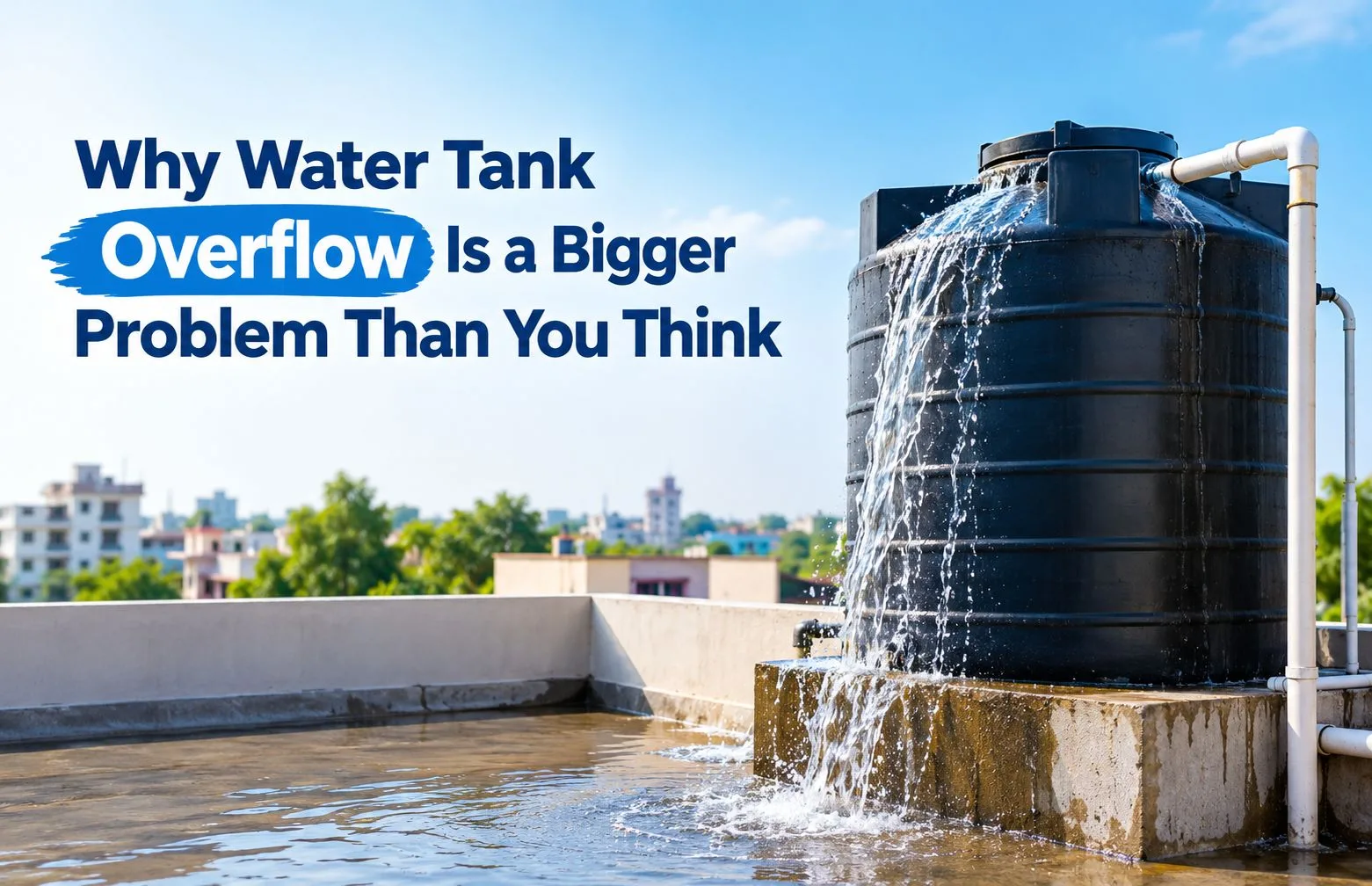
At first, water tank overflow seems like a small household inconvenience, but the consequences can be much bigger. It can become a serious issue that causes high utility costs and hidden structural damage. The good news is that technology is making it easier to prevent this issue. This is where a water management app comes in as a big relief.
An IoT-based Water Management App helps homeowners and building managers monitor water levels and assess the overflow point. Here, you'll learn why water tank overflow deserves more attention.
What is tank overfilling?
Tank overfilling occurs when water continues flowing into a storage tank even after it reaches maximum capacity. The water should stop automatically to prevent spilling. Excessive overflow causes various problems like:
- Water wastage
- Hidden water bills
- Ceiling leaks
- Structural damage
- Damp walls
- Mould and mildew growth
- Premature wearing and tearing of all the plumbing components
Some hidden overflow dangers you need to know!
- Structural damage: Constant water pooling weakens the building foundation and may also seep into concrete.
- Seepage and dampness: Water may run down exterior or interior walls. It creates damp patches that ruin paint or plaster.
- Mould or mildew: The constant presence of moisture invites toxic mould growth. It harms indoor air quality and health.
- Massive water waste: A single forgotten pump cycle can dump hundreds or thousands of litres of clean water.
Why does water overflow require immediate attention?
Prevent wastage of water:
Water is a valuable resource. It needs to be kept protected. A pump may continue running after the tank reaches capacity, causing water to flow down drains or onto other surfaces.
Yes, for the first few minutes, water overflow may not seem significant. But repeated overflow results in the wastage of a considerable quantity of water.
It increases electricity consumption:
Not only is water wasted, but electricity is also wasted. Electric pumps are used to transfer water from ground level to the underground tank. If the pump continues operating even when the tank is full, it consumes electricity. This may result in higher energy bills and increased wear and tear on the equipment.
Mould and mildew growth:
Persistent moisture creates ideal conditions for mould and mildew growth. Mould spreads quickly through walls and ceilings. It also affects indoor air quality, which can cause health concerns for occupants.
Electrical hazards:
In some buildings, overflowing water reaches electrical wiring or equipment.
It increases the risk of:
- Short circuits
- Electrical failures
- Equipment damage
- Fire hazards
Shortens the life of water pumps:
Electric pumps are designed to operate within specific conditions. Unnecessary operation increases the electrical and mechanical wear and tear. If you forget to switch it off, the pump may run continuously. It increases repair expenses and shortens useful life.
Manual monitoring is not easy:
These days, most people have busy routines. Someone may switch on the pump before leaving for work and later forget about it. This is when installing a Residential Water Level Sensor is a big relief. So you don’t need to monitor the pump regularly; you can add a residential water level sensor.
Smart monitoring makes water management easy:
A water management app brings information in one place. It helps you monitor tank levels, track consumption and understand water usage patterns. This makes management easier and more effective.
How can you prevent water tank overflow?
- Check pumps and switches regularly
- Monitor unusual changes in water consumption
- Install a suitable water-level monitoring solution
- Inspect overflow or drainage systems
- Consider a Residential Water Level Sensor for automated detection of level
- Use a Water Management App to receive alerts
- Schedule periodic maintenance of pumps, sensors and plumbing.
Reasons why my water tank keeps overflowing!
When a tank overflows, there are many possible reasons. There are several underlying reasons:
- Faulty float valve: The float ballcock is specifically designed to raise the water level. If it is waterlogged or misaligned, then the water keeps pouring in.
- Worn seals: Over time, rubber components can harden and tear. This prevents a tight seal when the valve closes.
- High water pressure: Suppose there is more pressure than is too strong. It results in a small leakage.
Hidden triggers you need to look at!
- Clogged overflow strainer
- Backfeeding from the hot water system
- Incorrect tank sizing
Plumbers in several regions have also reported other causes. These reasons include debris, leaves, sediment, even small insects, a strainer installed within weeks, and many others.
Conclusion
Water tank overflow is a big issue. It can waste valuable water, increase electricity consumption, contribute to maintenance problems and put unnecessary strain on pumping equipment. The best solution is a residential water level sensor that helps monitor tank levels. On the other hand, a water management app can make that information easier to access.