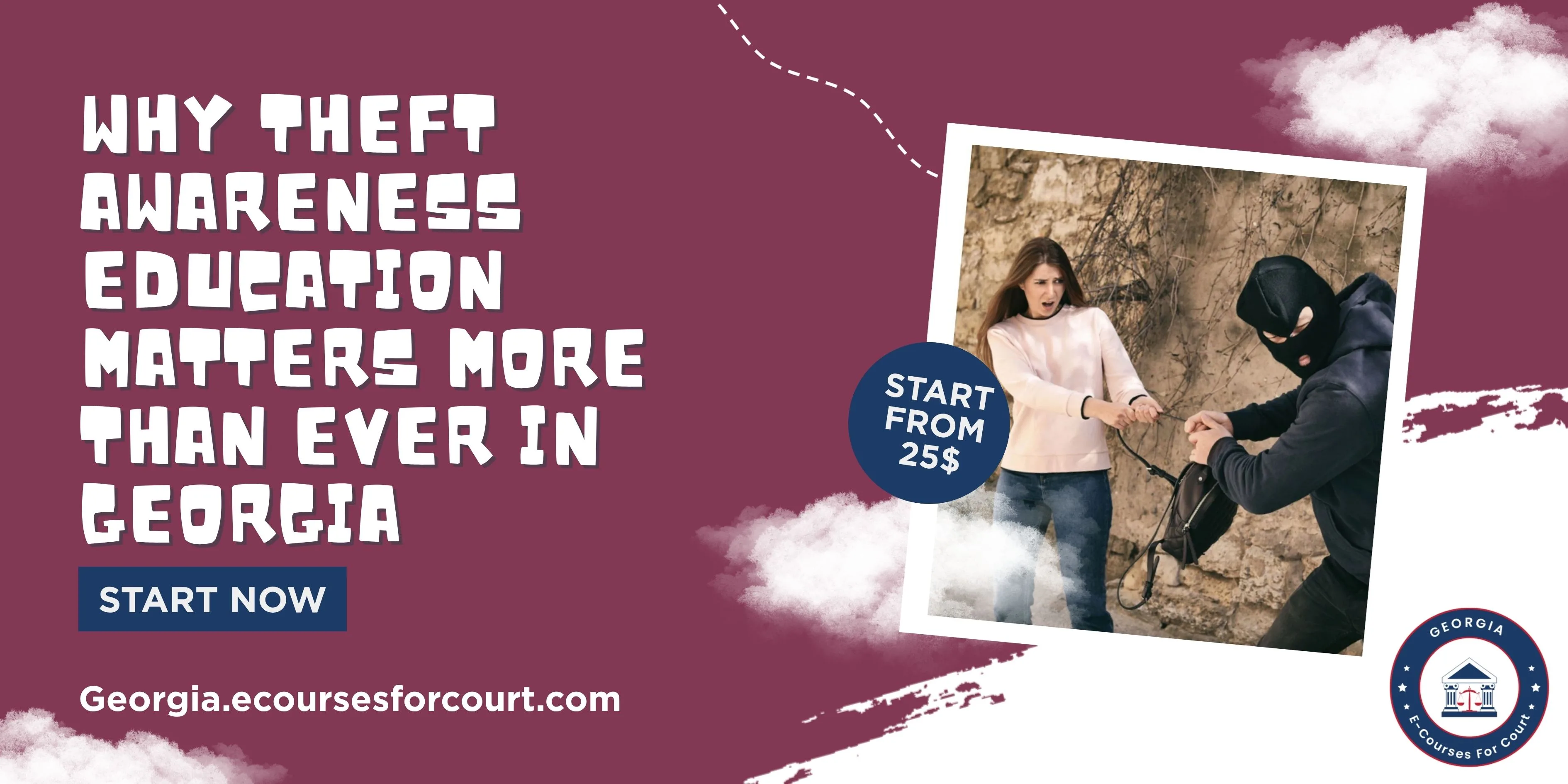
A single decision can sometimes create consequences that last far longer than expected. Whether the incident involves shoplifting, retail theft, or another theft-related offense, courts often require educational programs that help individuals understand the impact of their actions and develop better decision-making skills. Rather than focusing solely on punishment, these programs are designed to encourage accountability, personal growth, and positive behavioral change.
For many individuals in Georgia, completing a theft-related educational program becomes an opportunity to reflect, learn, and move forward. While legal requirements may bring someone to the classroom, the lessons learned often extend far beyond court obligations.
Why Courts Use Theft Awareness Education
Theft affects more than the person directly involved.
When a theft occurs, multiple people may experience consequences:
- Business owners face financial losses.
- Employees deal with increased stress and security concerns.
- Customers may encounter higher prices.
- Communities experience reduced trust.
Because of these wider effects, courts often use educational programs to help participants understand how seemingly small actions can create larger consequences.
Education encourages individuals to look beyond the immediate situation and recognize how their decisions affect others.
Understanding the Real Cost of Theft
Many people think of theft only in terms of the value of the item taken.
In reality, the costs are often much higher.
Businesses invest in:
- Security systems.
- Loss prevention measures.
- Additional staffing.
- Inventory replacement.
These costs can eventually affect consumers, employees, and entire communities.
A Theft Awareness Program In Georgia helps participants explore these impacts while developing a deeper understanding of personal accountability and ethical decision-making.
Direct and Indirect Consequences
The consequences of theft are not always immediate.
Some individuals face:
- Employment difficulties.
- Educational challenges.
- Financial penalties.
- Damage to personal reputation.
- Legal obligations.
Understanding these long-term effects often encourages participants to make more informed choices moving forward.
Why Accountability Is a Powerful Tool for Change
Accountability is not about dwelling on past mistakes.
Instead, it focuses on understanding actions, accepting responsibility, and making better choices in the future.
Educational programs often encourage participants to ask important questions:
- What led to this decision?
- What factors influenced my behavior?
- How did my actions affect others?
- What can I do differently next time?
These reflections help transform a mistake into a learning experience.
Developing Better Decision-Making Skills
Many theft-related incidents occur because of impulsive decisions.
Stress, peer pressure, financial concerns, or poor judgment can all contribute to choices that create legal consequences.
The goal of theft awareness education is not simply to discuss what happened.
The goal is to build stronger decision-making skills.
Participants often learn:
How to Pause Before Acting
Taking time to evaluate a situation can prevent impulsive choices.
How to Consider Consequences
Thinking through possible outcomes often leads to better decisions.
How to Identify Negative Influences
Recognizing harmful influences helps individuals avoid risky situations.
How to Set Positive Goals
Future-focused thinking encourages healthier behaviors.
These skills are valuable not only for avoiding future legal issues but also for improving everyday life.
Learning From Mistakes Instead of Repeating Them
One of the most important lessons within theft education is that mistakes do not have to define a person's future.
Many successful individuals have experienced setbacks at some point in their lives.
The difference often comes from what they learned afterward.
An Anti Theft Class Georgia encourages participants to examine behaviors, recognize patterns, and develop strategies that support long-term positive change.
The focus is not simply on what happened.
The focus is on what happens next.
How Theft Awareness Connects to Other Educational Programs
Human behavior is complex.
The factors that contribute to theft-related incidents can sometimes overlap with other challenges individuals face.
For example, courts may also require educational programs involving:
Substance Awareness
Some individuals benefit from learning about the effects of drugs, alcohol, or other substances on judgment and decision-making.
Programs related to drug education, marijuana awareness, alcohol awareness, and tobacco awareness often focus on understanding risk factors and developing healthier choices.
Youth Accountability
Educational programs for minors help young people understand legal responsibilities and the long-term impact of their actions before patterns become established.
Personal Responsibility
Many court-ordered educational courses share a common goal: helping participants develop stronger self-awareness and accountability.
Although these programs focus on different topics, they all emphasize learning, reflection, and positive behavioral change.
Why Online Educational Programs Continue to Grow
Modern schedules make flexibility increasingly important.
Many participants balance:
- Full-time jobs.
- Family responsibilities.
- School commitments.
- Transportation challenges.
Online learning offers a practical solution.
Flexible Scheduling
Participants can complete coursework when it fits their schedule.
Convenient Access
Courses can often be completed from home.
Self-Paced Learning
Individuals can review lessons at a comfortable pace.
Reduced Stress
Online access allows participants to focus on learning without the added burden of travel.
This flexibility has made online educational programs an increasingly popular option for fulfilling court-related requirements.
The Benefits That Extend Beyond Court Requirements
Many participants begin a theft awareness program focused solely on completion.
However, they often discover benefits that extend far beyond legal obligations.
Common outcomes include:
- Improved decision-making.
- Greater self-awareness.
- Stronger personal responsibility.
- Better problem-solving skills.
- Increased understanding of consequences.
These lessons can positively influence relationships, careers, education, and future opportunities.
Looking Forward Instead of Looking Back
The purpose of educational programs is not to keep participants focused on past mistakes.
Instead, they encourage individuals to look ahead.
Every person has the ability to learn, grow, and make different choices.
The skills developed through theft awareness education can help participants approach future situations with greater confidence and better judgment.
Growth begins when people recognize that one decision does not have to determine the rest of their lives.
Conclusion
Theft awareness education plays an important role in helping individuals understand the consequences of theft, develop accountability, and build stronger decision-making skills. Programs such as the Theft Awareness Program In Georgia and Anti Theft Class Georgia provide opportunities for reflection, learning, and personal growth.
While courts may require these educational programs as part of legal proceedings, the lessons often extend far beyond the courtroom. By understanding consequences, strengthening ethical decision-making, and focusing on future goals, participants can use the experience as an opportunity to create positive change and move forward with greater confidence.
Frequently Asked Questions
Why do courts order theft awareness classes?
Courts may require theft-related educational programs to help participants understand the consequences of theft, encourage accountability, and reduce the likelihood of future incidents.
What is the difference between a theft awareness class and an anti-theft class?
Both programs focus on understanding theft-related behaviors and consequences, though course content may vary depending on educational objectives and individual requirements.
Can theft awareness classes help improve decision-making?
Yes. Many programs focus on accountability, ethical thinking, recognizing consequences, and developing healthier decision-making habits.
Are online theft awareness programs convenient?
Online programs allow participants to complete educational requirements from home while managing work, school, and family responsibilities.
Do these classes focus only on legal requirements?
No. Many participants gain practical life skills related to responsibility, self-awareness, goal setting, and personal growth that extend beyond legal obligations.