In many organizations, signing documents is still treated as a simple, final step in the process. But in reality, document signing is often where workflows slow down, break, or completely fail. Whether it's contracts, agreements, onboarding forms, or approvals, an unstructured signing process can create unexpected delays and inefficiencies.
This is where structured electronic signature systems come into play—not just as a convenience, but as a necessity for smooth business operations.
The Problem with Unstructured Signing Workflows
Traditional and loosely managed digital signing processes often face common issues:
1. Lack of Signing Order
In many cases, documents are sent to multiple stakeholders without a defined sequence. This leads to confusion about who should sign first, resulting in delays and repeated follow-ups.
2. No Real-Time Visibility
Without tracking, teams don’t know:
- Who has signed
- Who is pending
- Where the document is stuck
This lack of visibility can slow down decision-making and frustrate teams.
3. Missed or Skipped Signatures
Manual workflows often result in incomplete documents. A missing signature can invalidate agreements or require restarting the process entirely.
4. Dependency on Manual Follow-Ups
Emails, calls, and reminders become necessary just to get documents signed, increasing operational overhead.
Why Structured eSign Systems Make a Difference
A structured electronic signature system transforms signing from a chaotic step into a controlled workflow.
Here’s how:
✔ Defined Signing Order
Documents can be sent in a pre-defined sequence, ensuring that each signer receives the document at the right time.
✔ Automated Notifications & Reminders
Signers are automatically notified, reducing the need for manual follow-ups.
✔ Real-Time Tracking
Teams can monitor the status of every document—who has signed and who hasn’t.
✔ Completion Assurance
Systems ensure that all required signatures are collected before marking a document as complete.
Impact on Business Operations
When signing workflows are structured, the benefits go beyond just faster signatures.
- Reduced turnaround time for agreements
- Fewer errors and missed steps
- Improved accountability among stakeholders
- Better customer experience during onboarding or deal closure
For growing businesses, these improvements can directly impact revenue and efficiency.
Real-World Use Case
Consider a company onboarding new clients. Without a structured system:
- Documents are emailed back and forth
- Clients forget to sign
- Internal approvals get delayed
With a structured eSign workflow:
- Documents are sent instantly
- Signing order is predefined
- Progress is tracked automatically
The result? Faster onboarding and fewer drop-offs.
The Role of Reliability and Compliance
Beyond workflow efficiency, structured eSign systems also help maintain document integrity and compliance. Features like audit trails, timestamping, and secure access ensure that signed documents are legally reliable and tamper-proof.
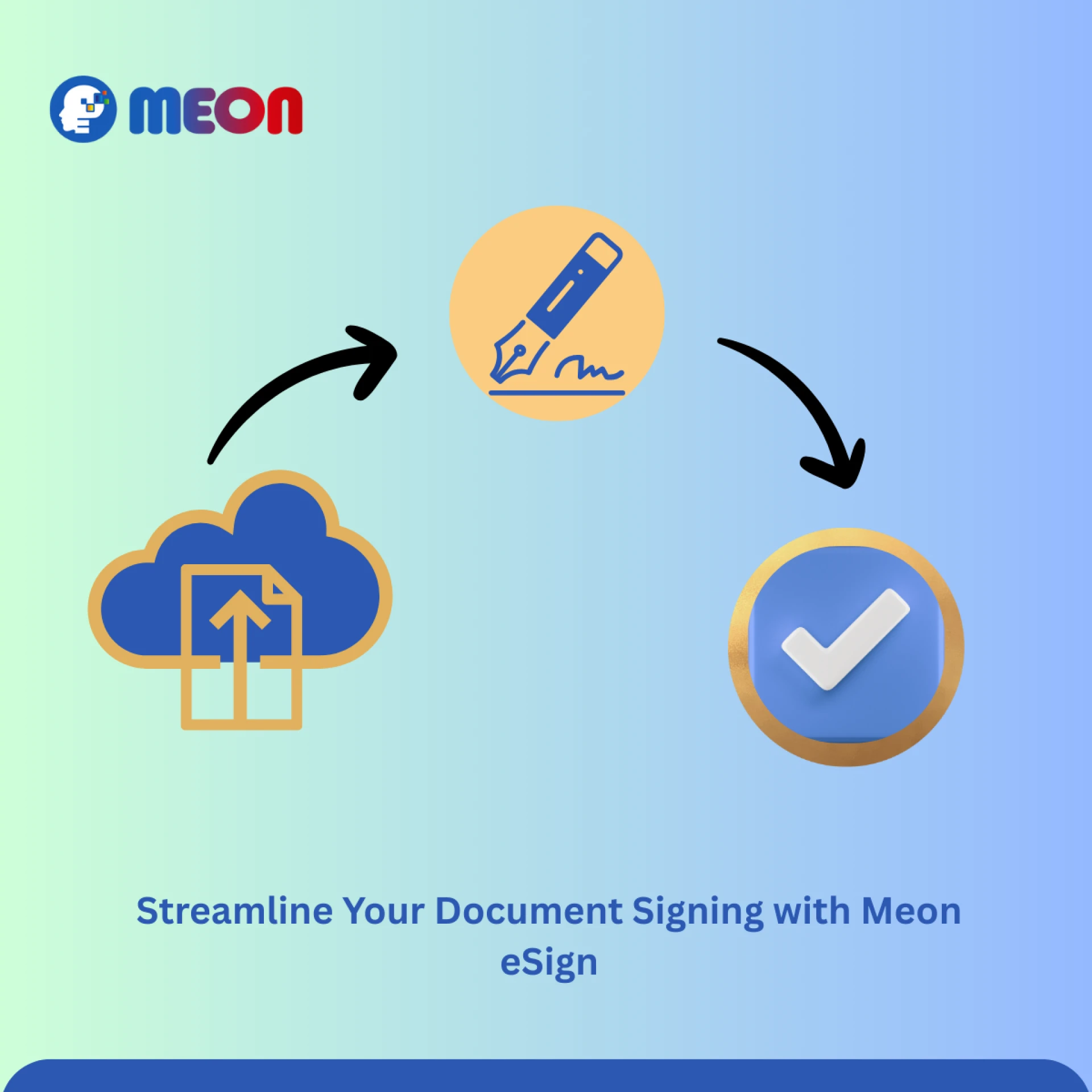
Businesses looking to modernize their operations often adopt solutions like Meon electronic signature to bring structure, visibility, and control into their signing processes without overcomplicating workflows.
Conclusion
Signing is not just a final step—it’s a critical part of the workflow. When left unstructured, it can cause delays, confusion, and inefficiencies across teams.
A structured electronic signature system ensures that every document moves smoothly from one step to the next, helping businesses save time, reduce errors, and operate more efficiently.