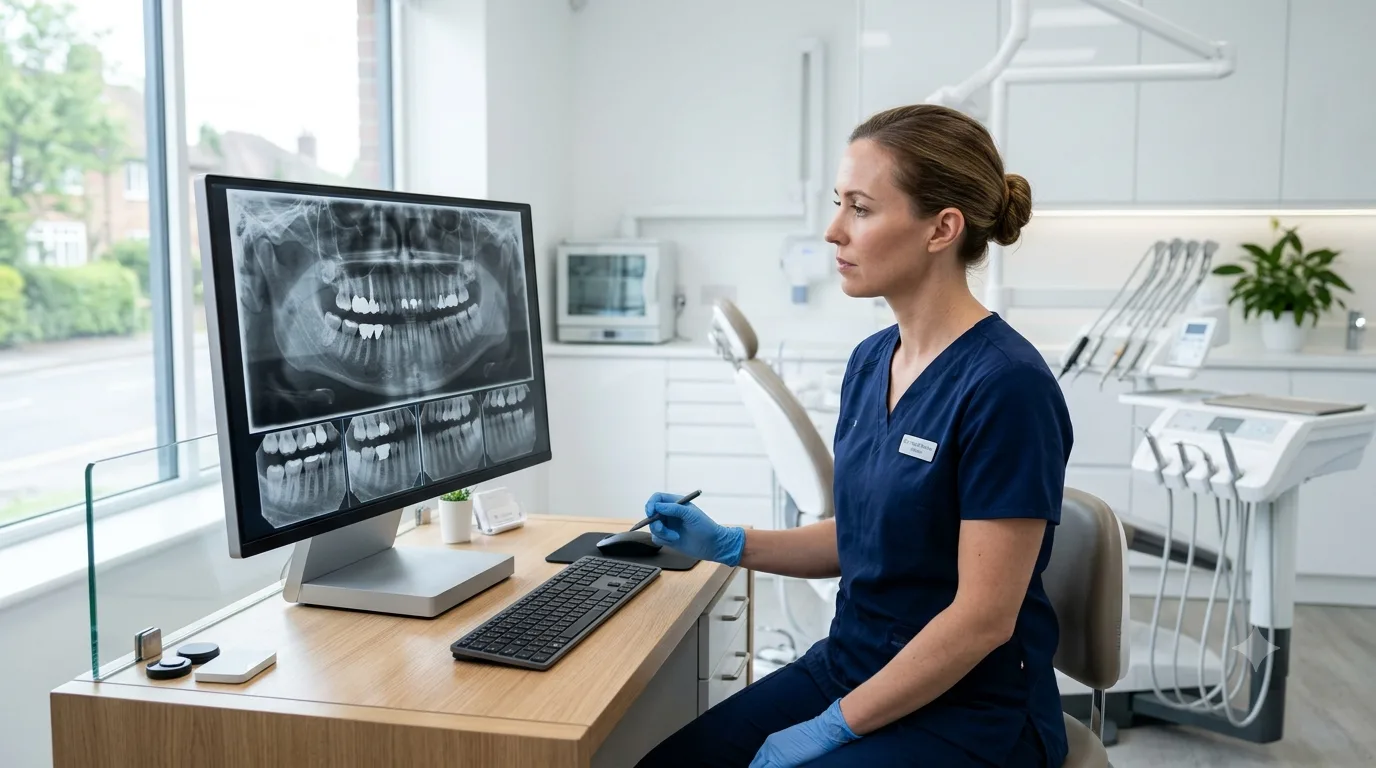
Healthy teeth and gums are important for eating, speaking and maintaining confidence in your smile. Although everyday brushing and flossing play an essential role in oral hygiene, professional dental care is also necessary for identifying problems that may not be visible at home.
A dentist helps patients maintain their oral health through examinations, preventive advice and appropriate treatment. Regular appointments can identify early signs of tooth decay, gum disease and damage before these conditions become more difficult to manage.
Understanding the importance of dental care can encourage people to make routine examinations a priority rather than waiting until they experience discomfort.
The Role of a Dentist in Maintaining Oral Health
A dentist assesses the condition of your teeth, gums and surrounding oral structures. Their work includes identifying dental problems, recommending suitable treatments and helping patients understand how to prevent future issues.
During a routine examination, your dentist may check for cavities, gum inflammation, damaged restorations and changes in your bite.
They may also ask about your cleaning habits, diet and any symptoms you have experienced.
These details help build a picture of your oral health and allow recommendations to reflect your individual needs.
Identifying Dental Problems Early
Many dental conditions develop gradually.
Tooth decay may begin as a small area of enamel damage without producing noticeable pain. Gum disease can also develop before patients recognise significant symptoms.
Regular examinations give your dentist an opportunity to identify potential problems and discuss appropriate management.
Early assessment does not guarantee that every condition can be prevented, but it can help reduce the likelihood of avoidable complications.
Why Routine Dental Examinations Are Important
Routine examinations are not simply appointments for checking whether your teeth look clean.
They allow a dentist to assess areas that patients may find difficult to examine themselves.
For example, decay can develop between teeth, while gum disease may affect areas beneath the gumline.
If necessary, dental X-rays can provide additional information about the teeth and supporting structures.
Monitoring Existing Restorations
Fillings, crowns and other restorations may require monitoring over time.
Changes in the fit or condition of existing dental work can sometimes allow bacteria to enter areas around a restoration.
Your dentist can assess whether a restoration remains suitable or whether repair or replacement should be considered.
Assessing Gum Health
Gum health is an essential part of overall oral health.
Healthy gums help support the teeth, while inflammation and periodontal disease can affect the tissues surrounding them.
Bleeding, swelling, tenderness and persistent bad breath may indicate a problem that needs professional assessment.
Understanding Common Dental Problems
Several conditions can affect the teeth and gums.
Tooth decay occurs when acids produced by bacteria damage tooth enamel. Frequent sugar consumption can contribute to this process, particularly when combined with inadequate plaque removal.
Gum disease develops when plaque accumulation causes inflammation around the gums. If left unmanaged, more advanced periodontal disease can affect the supporting tissues around teeth.
Tooth sensitivity is another common concern. It may result from enamel erosion, gum recession, exposed dentine or other dental conditions.
Why Toothache Should Not Be Ignored
Toothache can have several causes, including decay, infection, cracks and inflammation.
Although temporary discomfort may sometimes improve, this does not necessarily mean the underlying problem has disappeared.
Persistent or severe pain should be assessed by a dental professional.
Preventive Care and Everyday Dental Habits
Your dentist can help you develop an oral hygiene routine that supports healthy teeth and gums.
Brushing twice daily with fluoride toothpaste helps remove plaque and strengthen enamel. Cleaning between teeth every day is also important because a toothbrush cannot reach every surface.
Replacing a worn toothbrush and using appropriate brushing techniques can improve cleaning effectiveness.
The Importance of a Balanced Diet
Diet has a significant influence on oral health.
Frequently consuming sugary snacks and drinks increases the risk of tooth decay. Acidic foods and beverages can also contribute to enamel erosion.
Try to limit how often your teeth are exposed to sugar and acidic drinks. Drinking water regularly can help maintain a comfortable mouth and support normal saliva function.
Professional Cleaning and Gum Care
Even with effective home cleaning, plaque can accumulate in difficult-to-reach areas.
When plaque hardens into calculus, ordinary brushing cannot remove it. A dental professional or hygienist may recommend professional cleaning to manage these deposits.
The need for cleaning depends on individual oral health and should be discussed during an examination.
Dental Care Throughout Different Life Stages
Dental requirements can change as people grow older.
Children benefit from early examinations and guidance on brushing, fluoride and healthy eating habits.
Adults may need attention to fillings, crowns, gum health and tooth wear. Older adults may experience dry mouth, medication-related changes and difficulties maintaining their usual oral hygiene routine.
A dentist can adjust recommendations according to these changing requirements.
Supporting Long-Term Oral Health
Long-term dental health depends on combining professional care with consistent everyday habits.
Keeping appointments, following treatment recommendations and recognising changes in your mouth can all contribute to better outcomes.
When Should You Contact a Dentist?
Arrange a dental assessment if you experience persistent toothache, bleeding gums, unusual sensitivity, discomfort when chewing or visible damage to a tooth.
You should also seek advice if a filling becomes loose or a crown feels damaged.
Severe swelling, fever associated with dental infection or difficulty swallowing should never be ignored. Seek urgent professional assistance when these symptoms occur.
For people reviewing their options, information about dental care in Southwell can provide a starting point for understanding local practice arrangements.
Taking care of your oral health consistently can help protect your natural teeth and support a healthier smile.
Frequently Asked Questions
How often should I visit a dentist?
The recommended frequency varies according to your oral health and risk of dental disease. Your dentist can suggest an appropriate interval.
Why should I visit a dentist if my teeth feel healthy?
Some dental problems develop without pain or obvious symptoms. Regular examinations help identify potential issues earlier.
Can a dentist help prevent gum disease?
A dentist can assess gum health, identify early inflammation and recommend professional care and improved cleaning techniques.
What is the difference between a dentist and a dental hygienist?
A dentist diagnoses dental conditions and provides a range of treatments. A dental hygienist focuses primarily on preventive oral care, professional cleaning and gum health.
What should I do if I develop sudden toothache?
Contact a dental practice for advice and an appropriate assessment. Severe swelling, breathing difficulties or difficulty swallowing require urgent medical attention.