
The Sonic Horizon: A New Dawn for Music Listening
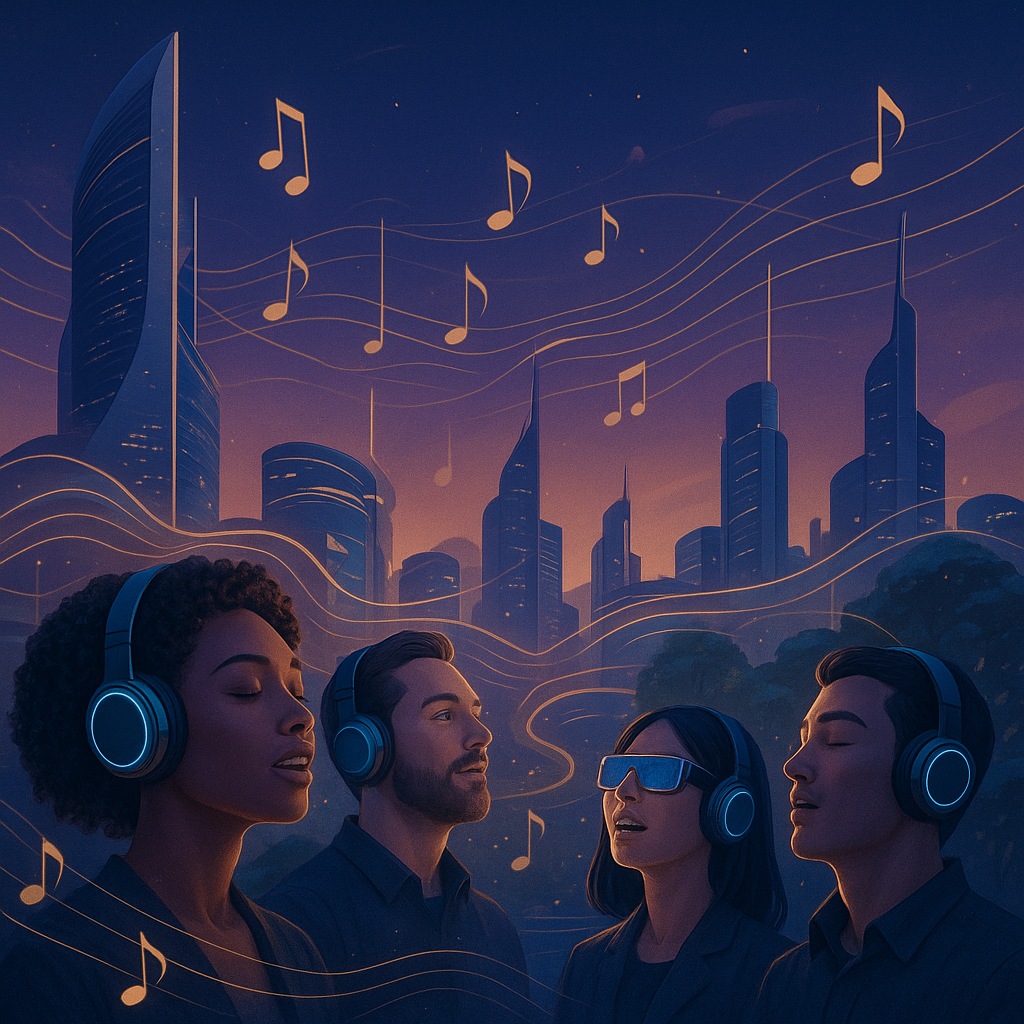
In a bustling Tokyo café, a listener dons a sleek pair of neuro-enhanced earbuds and closes their eyes. Instead of just hearing a song, they experience it—immersed in a 360-degree soundscape that adapts dynamically to their mood and surroundings. This scene, once speculative, has become increasingly common in 2026 as advances in music technology redefine how audiences engage with sound. The future of music promises not only new sounds but wholly new ways of listening, creating, and connecting.
According to recent industry reports, global revenues from immersive audio experiences have surged by over 150% since 2023, fueled by innovations in spatial audio, artificial intelligence, and brain-computer interfaces (BCIs). These technologies are dissolving traditional barriers between artists and listeners, ushering in an era where music is not just consumed but co-created and personalized in real time.
“We are witnessing a fundamental shift—music is becoming an experience tailored uniquely to each listener’s neural and emotional state,” says Dr. Elena Morozova, a leading neuroscientist at the SoundMind Institute.
Tracing the Path: How We Arrived at Today’s Musical Renaissance
The trajectory leading to 2026’s musical landscape is a story of relentless innovation and cultural evolution. From the cassette tapes and CDs of the late 20th century to the digital downloads and streaming platforms that dominated the early 21st century, each technological leap expanded accessibility but also homogenized the listening experience.
The 2010s and early 2020s were marked by the rise of streaming giants and algorithmic playlists, which, while convenient, often limited musical discovery to data-driven suggestions. However, parallel advancements in audio technology, such as Dolby Atmos and Sony 360 Reality Audio, began introducing spatial sound, hinting at a future beyond flat stereo listening.
Simultaneously, the democratization of music production tools empowered independent artists worldwide, changing the cultural and economic fabric of music. TheOmniBuzz chronicled this in detail in our article How Music’s Digital Renaissance Is Reshaping Creativity and Culture, highlighting how digital tools and platforms dismantled gatekeeping and expanded the diversity of voices heard globally.
By the mid-2020s, the convergence of AI-assisted composition, immersive audio hardware, and neurotechnology set the stage for a new kind of music experience—one that is interactive, personalized, and multisensory.
Data-Driven Evolution: The Technologies Shaping Today’s Music
The core of music’s future lies at the intersection of cutting-edge technology and human creativity. Several key innovations are driving this transformation:
- Spatial and Immersive Audio: Technologies like Ambisonics and binaural rendering have matured, delivering three-dimensional soundscapes through headphones and smart speakers. In 2026, over 40% of streaming platforms offer spatial audio catalogs, a figure that was below 10% just three years ago.
- AI-Enhanced Composition and Personalization: AI tools can now compose entire tracks or assist artists with complex arrangements. More importantly, AI adapts music to individual listeners’ preferences and even physiological states, using biometric sensors integrated into wearables.
- Brain-Computer Interfaces: While still nascent, BCIs have begun enabling users to influence musical elements through thought patterns, creating an unprecedented feedback loop between mind and music.
- Augmented Reality (AR) and Virtual Reality (VR): Live performances increasingly incorporate AR/VR, offering immersive concert experiences accessible from anywhere, blending visual and auditory stimuli.
- Blockchain and Decentralized Platforms: These technologies are reshaping music rights management and revenue distribution, empowering artists and fostering transparent ecosystems.
These intersecting technologies have created a fertile environment for innovation. A recent survey by the Music Technology Association found that 68% of consumers expressed interest in customizable, immersive music experiences, signaling a robust market demand.
“The integration of AI and immersive audio is not about replacing human creativity but amplifying it, offering artists tools to reach audiences in richer, more meaningful ways,” explains Maya Chen, CTO of Soundwave Labs, a pioneer in spatial audio software.
Current Innovations and Trends Defining 2026’s Music Scene
The music industry in 2026 is a dynamic ecosystem where technology and artistry merge seamlessly. Several notable trends illustrate the shape of things to come:
- Neuroadaptive Playlists: Platforms now curate playlists that shift in real time according to the listener’s brainwave patterns and emotional cues, enhancing mood regulation and focus.
- Collaborative AI-Artist Hybrids: Artists routinely co-create with AI partners that generate novel melodies, harmonies, or beats, accelerating creative workflows and expanding sonic possibilities.
- Virtual Music Festivals: Events like the annual SonicVerse Festival attract millions worldwide to fully immersive VR environments where avatars interact and experience concerts in hyper-realistic settings.
- Personalized Live Performances: Using mixed reality, audiences can customize aspects of live shows, from setlists to visual effects, creating participatory concert experiences.
- Sustainability and Ethical Production: Environmental concerns have prompted the rise of low-impact digital music distribution and energy-efficient hardware, aligning with broader cultural values.
These developments are not isolated. They interact with shifts in social behavior, economic models, and regulatory frameworks, transforming music into a living, adaptable medium.
TheOmniBuzz’s feature Six Defining Sounds Shaping Music’s Future Today offers an in-depth look at the new sonic textures emerging from these trends, from AI-generated harmonics to biofeedback-driven rhythms.
Voices from the Industry: Insights from Experts and Innovators
Leading figures in music and technology agree that the future holds vast potential but also complex challenges. Dr. Luis Fernandez, CEO of NeuralSound, a startup pioneering BCIs for music, emphasizes the ethical dimension: "As we gain access to intimate neural data, safeguarding privacy while harnessing these insights for artistic expression is paramount." Meanwhile, Grammy-winning artist Zara Kline notes, "The tools available now let me experiment beyond traditional boundaries, but human emotion remains the heart of every song. Technology is a partner, not a replacement."
From the business perspective, executives highlight the need to balance innovation with equitable artist compensation. The blockchain-based platform TuneFair, launched in late 2025, has set new standards for transparent royalty payments, empowering creators globally.
“The future of music isn’t just about new sounds or tech; it’s about creating ecosystems where artists and audiences thrive together,” remarks Jason Lee, Head of Music Strategy at TuneFair.
Industry analysts predict that by 2030, over 60% of music consumption will involve some form of interactive or immersive technology, fundamentally altering how value is created and shared.
Looking Ahead: What to Expect and How to Prepare
As music continues evolving, several key areas warrant attention:
- Technological Literacy: Both artists and consumers will benefit from understanding emerging tools and platforms to maximize creative and experiential potential.
- Ethical Frameworks: Policymakers and industry leaders must develop standards to protect privacy, intellectual property, and equitable access.
- Cultural Inclusion: Technology should amplify diverse voices and traditions, avoiding homogenization or digital colonialism.
- New Business Models: Subscription services may give way to experience-based monetization, NFT-linked collectibles, and participatory revenue sharing.
- Continued Innovation: Cross-disciplinary collaboration between neuroscientists, technologists, and artists will drive breakthroughs that redefine music’s role in society.
For those eager to engage, TheOmniBuzz’s Mastering Music: Essential Expert Tips to Elevate Your Sound offers practical guidance on navigating this new landscape, from leveraging AI tools to optimizing spatial audio production.
The future of music is a vast, unfolding story. As technology reshapes what music can be, it also challenges us to rethink creativity, connection, and culture. The next chapter promises an era where sound is not just heard but lived—a transformative experience that resonates on deeply personal and communal levels.