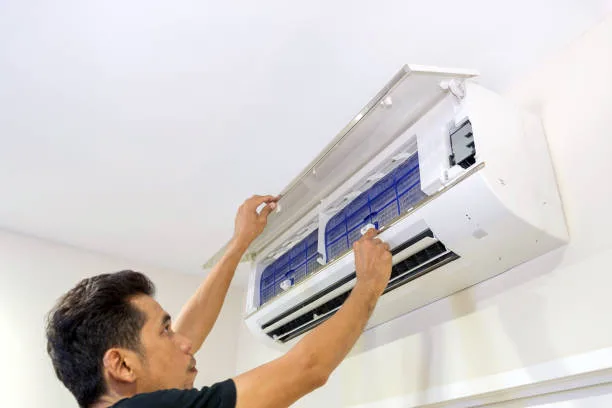
Keeping a multi-storey home comfortable throughout the year can be challenging. Upstairs bedrooms often become warmer than downstairs living areas, while different family members may prefer different temperatures. Running a single air conditioning system may not provide consistent comfort across every floor, and installing separate systems in every room can take up valuable space and increase installation costs.
Multi head split systems offer a practical solution for multi-storey homes by connecting multiple indoor air conditioning units to a single outdoor unit. This setup allows homeowners to control temperatures in different rooms or zones, making it easier to manage comfort, energy use and indoor climate throughout the property.
Whether you live in a two-storey townhouse or a larger family home, understanding how multi head split systems work can help you decide whether they are the right air conditioning solution for your needs.
What Is a Multi Head Split System?
A multi head split system is an air conditioning system that connects two or more indoor units to one outdoor compressor unit. Each indoor unit can be installed in a different room or living area, depending on the system's capacity and configuration.
Unlike a traditional single split system, which generally serves one indoor area, a multi head system can provide heating and cooling across multiple spaces without requiring a separate outdoor unit for every room.
For example, a multi-storey home might have indoor units installed in the downstairs living room, upstairs main bedroom and children's bedrooms. This arrangement allows occupants to manage comfort in each space according to their needs.
Multi head split systems are particularly useful when homeowners want flexible temperature control but have limited space for outdoor equipment.
5 Reasons Multi Head Split Systems Suit Multi-Storey Homes
1. Independent Temperature Control Across Different Floors
One of the biggest challenges in a multi-storey home is maintaining a comfortable temperature on every level. Warm air naturally rises, which can make upstairs rooms noticeably hotter during summer. Meanwhile, downstairs living areas may remain relatively cool.
A multi head split system can help address this problem by providing individual indoor units in selected rooms and living spaces.
Depending on the model, occupants can adjust the temperature and fan settings of each indoor unit independently. For instance, the living room can be cooled during the day while the upstairs bedrooms receive additional cooling in the evening.
This flexibility helps accommodate different comfort preferences without relying on one central temperature setting for the entire home.
2. Efficient Use of Outdoor Space
Installing multiple individual split systems can require several outdoor units around the property. In a townhouse, compact residential block or home with a small backyard, finding suitable locations for this equipment can be difficult.
A multi head split system connects multiple indoor units to one outdoor unit, reducing the number of outdoor units required.
This can help homeowners make better use of balconies, side access areas and other suitable installation spaces. It may also reduce the visual impact of air conditioning equipment around the exterior of the home.
However, the outdoor unit still needs sufficient clearance, ventilation and access for maintenance. Its placement should comply with manufacturer requirements and applicable local regulations.
3. Flexible Comfort for Bedrooms and Living Areas
Multi-storey homes often have different cooling and heating requirements throughout the day. Downstairs living rooms may need cooling during family activities, while upstairs bedrooms require comfortable temperatures at night.
A multi head system allows homeowners to choose which rooms receive dedicated indoor units based on their lifestyle.
Common installation locations include:
- Downstairs living rooms: Maintain comfortable temperatures during family gatherings, cooking and relaxation.
- Upstairs bedrooms: Help manage heat that builds up during warmer weather.
- Home offices: Create a more comfortable environment for working from home.
- Guest bedrooms: Provide additional comfort when visitors stay overnight.
Not every room necessarily needs its own unit. A professional installer can assess the home's layout, room sizes, insulation and usage patterns to recommend a suitable configuration.
4. Potential Energy Savings Through Zoned Operation
Heating or cooling unused rooms can waste energy. One advantage of multi head split systems is that they allow occupants to manage individual indoor units according to which areas are being used.
For example, a family might cool the downstairs living area during the afternoon and operate bedroom units later in the evening. If a spare bedroom is unoccupied, its indoor unit may not need to run.
This targeted approach can help reduce unnecessary heating and cooling, potentially lowering electricity consumption.
Actual savings depend on several factors, including the system's energy efficiency, outdoor temperature, building insulation, thermostat settings and the number of units operating simultaneously.
It is also important to understand that turning off an indoor unit does not guarantee the same efficiency as a separate single split system in every situation. A correctly sized, well-designed installation is essential to achieving good performance.
5. Heating and Cooling Throughout the Year
Many modern multi head split systems provide both cooling and reverse-cycle heating. This means homeowners can use the same system to manage indoor temperatures during summer and winter.
During summer, the system removes heat from indoor spaces and transfers it outside. In winter, reverse-cycle operation extracts heat from outdoor air and transfers it indoors.
For multi-storey homes, this flexibility can be especially useful when upstairs bedrooms become warm in summer but downstairs rooms feel cold during winter.
Depending on the system, multiple indoor units can operate together to provide heating or cooling to different areas. However, most conventional multi head systems cannot heat one indoor zone while cooling another at the same time. Homeowners should confirm the operating modes supported by their chosen model.
Choosing the Right Multi Head Split System for Your Home
Selecting the right system involves more than counting the number of rooms. A professional assessment helps ensure the equipment can handle the property's heating and cooling requirements.
Consider these factors before making a decision.
Number of indoor units: Determine which rooms need dedicated temperature control. A system may support a particular number of indoor units, but the available combinations depend on the model.
Cooling and heating capacity: Room size, ceiling height, window orientation, insulation and sun exposure all affect the required capacity. Upstairs rooms with significant afternoon sun may need particular attention.
Indoor unit placement: Wall-mounted units are common, but the best position depends on furniture, airflow, room layout and installation access.
Outdoor unit location: The outdoor unit needs adequate airflow, a suitable mounting surface and convenient access for servicing. Noise and proximity to neighbouring properties should also be considered.
Energy efficiency: Compare available energy ratings, operating costs and manufacturer specifications. Look for a system that suits the home's typical usage patterns rather than choosing solely on its initial price.
Installation and maintenance: Professional installation helps ensure refrigerant piping, electrical connections, drainage and system commissioning meet applicable requirements.
Multi Head Split Systems vs Multiple Single Split Systems
Both options can work well in multi-storey homes, but their suitability depends on the property and household requirements.
FeatureMulti head split systemMultiple single split systemsOutdoor unitsUsually one for several indoor unitsGenerally one per systemTemperature controlIndividual control for compatible indoor unitsIndividual control for each systemOutdoor spaceCan reduce equipment footprintRequires space for multiple outdoor unitsInstallationShared outdoor equipment, with interconnected pipeworkSeparate system installationsFlexibilityDepends on compatible unit combinations and total capacityEach system can be selected for its individual roomMaintenanceShared outdoor equipment needs servicingEach system requires maintenanceA multi head system can be attractive when outdoor space is limited. However, multiple single split systems may offer greater flexibility in some homes, particularly when rooms have significantly different heating and cooling requirements.
A qualified installer can compare both options based on installation complexity, expected energy consumption, running costs and long-term maintenance.
How to Get the Best Performance From Your System
Once installed, a few practical measures can help your multi head split system operate effectively.
- Clean the filters regularly: Follow the manufacturer's instructions to maintain airflow and indoor air quality.
- Use sensible temperature settings: Avoid extreme thermostat settings that increase energy consumption without necessarily improving comfort.
- Improve insulation: Roof insulation, draught sealing and appropriate window coverings can reduce unwanted heat transfer.
- Close doors when appropriate: This helps keep conditioned air within the intended room or zone.
- Schedule professional servicing: Periodic inspections can help identify drainage issues, airflow restrictions and developing mechanical faults.
These measures support efficient operation and can help maintain comfortable conditions across different floors.
Is a Multi Head Split System Right for Your Multi-Storey Home?
A multi head split system is worth considering if your home has several rooms requiring independent temperature control, limited outdoor space or different comfort requirements between floors.
It can simplify the outdoor installation, provide flexible heating and cooling, and help households manage energy use by conditioning occupied areas when needed.
However, the best solution depends on your home's design, the number and size of rooms, insulation, budget and expected usage. A professional load assessment is the most reliable way to determine the appropriate system capacity and indoor unit configuration.
Frequently Asked Questions
How many rooms can a multi head split system cool?
The number of rooms depends on the specific system. Some models support two indoor units, while others accommodate more. The combined capacity and compatibility of the indoor units must meet the manufacturer's specifications.
Are multi head split systems suitable for two-storey houses?
Yes. They can be suitable for two-storey homes because indoor units can be installed in selected upstairs and downstairs rooms. Correct sizing and pipework design are important for consistent performance.
Do multi head split systems use less electricity?
They can help reduce unnecessary energy use by allowing occupants to condition selected rooms rather than the entire home. However, electricity consumption depends on system efficiency, capacity, operating conditions and household habits.
Can a multi head split system heat and cool different rooms simultaneously?
Most conventional multi head split systems operate in either heating or cooling mode across their connected indoor units. Individual temperature settings may differ, but simultaneous heating in one room and cooling in another is generally not supported. Always check the manufacturer's specifications.
Is a multi head split system more expensive to install?
The upfront cost depends on the equipment, number of indoor units, pipework distances, electrical requirements and installation complexity. Although one outdoor unit may reduce some installation requirements, multi head systems are not always cheaper than multiple single split systems.
Conclusion
Multi head split systems provide a flexible way to heat and cool multi-storey homes without installing a separate outdoor unit for every room. Their ability to support individual temperature control, make better use of outdoor space and condition occupied areas can make them a practical choice for modern Australian households.
By choosing the right capacity, positioning indoor units carefully and maintaining the system regularly, homeowners can improve comfort across different floors throughout the year. Speak with a qualified air conditioning professional to assess your home's requirements and determine whether a multi head split system is the right long-term solution.