
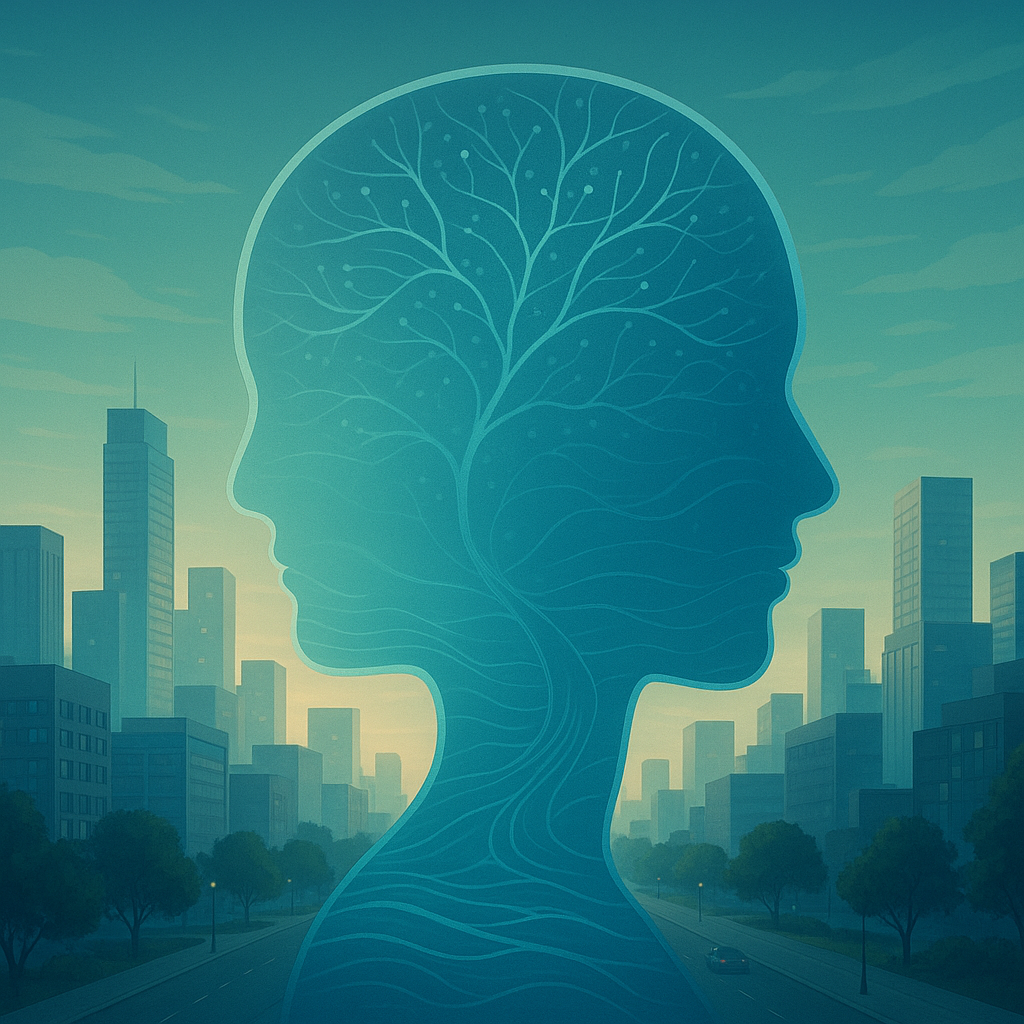
The Quiet Epidemic: A Wake-Up Call for Global Health
On a chilly morning in early 2026, a mid-sized tech company in San Francisco announced a groundbreaking initiative: mandatory mental health days integrated into employee contracts. This move, unprecedented just a few years prior, symbolizes a seismic shift in how society views mental wellness. While physical health has long dominated public health priorities, mental health has quietly become the silent crisis dragging down productivity, happiness, and societal progress. According to the World Health Organization, depression and anxiety disorders now affect over 970 million people worldwide, making them the leading causes of disability globally. The economic toll is staggering; the global economy loses an estimated $1 trillion annually in productivity due to mental health conditions, a figure that has surged despite advances in healthcare.
This emergent crisis is not merely a health issue but a complex social, economic, and cultural challenge. The stigma surrounding mental illness, disparities in care access, and the rapid pace of modern life have combined to create a perfect storm. The evolving understanding of mental health—from isolated disorders to integrated wellness—demands urgent attention. This article explores the intricate facets of this global challenge, the progress made, and the transformative strategies emerging in 2026.
Tracing the Roots: How Did Mental Health Become a Global Priority?
The path to recognizing mental health as a crucial component of overall wellbeing has been long and fraught with misconceptions. Historically, mental illness was marginalized, often relegated to asylums and misunderstood through a lens of superstition or moral failing. The mid-20th century saw the first major shifts with the deinstitutionalization movement and the rise of community-based care. However, it wasn’t until the early 2000s that mental health began receiving attention comparable to physical health in public policy and research funding.
Several pivotal developments paved the way for today’s focus. The Global Burden of Disease Study in 2010 illuminated mental disorders as leading contributors to years lived with disability worldwide. Simultaneously, advances in neuroimaging and genetics unveiled the biological underpinnings of many psychiatric conditions, challenging prior stigmas. The expansion of digital technologies and social media in the 2010s introduced new risk factors but also new tools for awareness and intervention.
By 2020, mental health was firmly embedded in the United Nations Sustainable Development Goals, emphasizing its role in sustainable societies. The COVID-19 pandemic further accelerated this awareness, exposing vulnerabilities in mental healthcare systems globally and highlighting the profound psychological impact of social isolation, economic instability, and health fears. This historical context underscores that today’s challenges and innovations are the result of decades of evolving science, advocacy, and societal change.
Unpacking the Data: Mental Health Trends and Challenges in 2026
In 2026, mental health statistics reveal a multifaceted picture shaped by demographic shifts, technological advances, and policy reforms. Recent epidemiological surveys indicate that anxiety disorders affect approximately 14% of the adult population globally, while depression impacts nearly 12%. Youth and young adults disproportionately carry this burden, with suicide remaining the second leading cause of death among individuals aged 15 to 29, according to the latest WHO reports. Chronic stress, burnout, and substance use disorders also continue to climb, linked to workplace pressures and societal changes.
Despite these sobering figures, access to mental health care remains uneven. High-income countries have on average 9 mental health workers per 100,000 population, whereas low-income countries average fewer than 1 per 100,000, a gap that perpetuates inequality. Digital health solutions like telepsychiatry and AI-driven diagnostics have begun to bridge some divides, but systemic barriers persist, including cost, cultural stigma, and fragmented care models.
Financially, governments and private sectors have increased mental health budgets by an average of 30% since 2022, yet this remains insufficient to meet demand. The interplay of social determinants—poverty, education, housing instability—exacerbates mental health risks, challenging narrow biomedical approaches. The complexity of data demands integrated strategies that combine prevention, early intervention, and long-term support.
"Mental health is no longer a niche concern; it is the foundation upon which resilient societies are built," states Dr. Mei-Ling Chen, Director of the Global Mental Health Initiative.
Key Data Points on Mental Health in 2026:
- Depression prevalence: 12% globally among adults
- Anxiety disorders prevalence: 14% globally among adults
- Suicide rank: 2nd leading cause of death for ages 15–29
- Mental health workforce: 9 per 100,000 in high-income vs. <1 in low-income countries
- Global economic loss: Estimated $1.3 trillion annually due to mental health conditions
Innovations and Policies Making Waves in 2026
The year 2026 marks a transformative phase in mental health care, driven by technological innovation, policy reform, and community engagement. Governments worldwide have adopted more holistic mental health frameworks emphasizing social inclusion, personalized care, and prevention. The integration of mental health into primary care has become standard in many countries, reducing barriers and normalizing treatment.
Technology plays a pivotal role in this transformation. Artificial intelligence-powered diagnostic tools now enable earlier detection of disorders through analysis of speech patterns, facial expressions, and biometric data. Virtual reality therapies are employed for conditions ranging from PTSD to phobias, delivering immersive treatments that were science fiction a decade ago. Additionally, mental health apps with evidence-based cognitive behavioral therapy modules have become widely accessible, supported by insurance reimbursements in several major markets.
Corporate and educational institutions have also stepped up. Workplace mental health programs are no longer fringe benefits but central to human resource strategies, reducing absenteeism and improving morale. Schools have embedded social-emotional learning curricula, recognizing that mental wellness is key to academic success and lifelong resilience. These efforts are reflected in a reported 15% reduction in mental health-related workplace disability claims in the US and Europe since 2024.
"The convergence of tech and empathy is reshaping mental health care into a proactive, scalable model," notes Sarah Alvarez, CEO of MindLink HealthTech.
Voices from the Field: Expert Insights and Industry Impacts
Experts emphasize that mental health must be approached as a societal responsibility, not just a clinical issue. Dr. Anil Kumar, a psychiatrist and policy advisor, highlights that "effective mental health interventions require cross-sector collaboration—healthcare, education, employment, and justice systems must align." This perspective is echoed by global organizations that have launched multi-disciplinary coalitions to address mental health holistically.
The mental health industry itself is undergoing rapid evolution. Investment in digital mental health startups reached $5 billion in 2025, fueling innovations in remote therapy, peer support networks, and AI-powered coaching. However, challenges around data privacy, algorithmic bias, and equitable access remain critical concerns. Regulatory bodies are now actively crafting frameworks to ensure ethical deployment and inclusivity.
Pharmaceutical advances continue, with several novel psychotropic agents approved over the last two years targeting treatment-resistant depression and anxiety with fewer side effects. Meanwhile, non-pharmacological approaches such as mindfulness programs, exercise therapies, and nutrition-based interventions gain scientific validation and broader acceptance.
Industry leaders also point to the importance of cultural competence in mental health services. Tailoring interventions to diverse populations is essential to overcoming stigma and improving outcomes. This is increasingly reflected in training programs and community-based initiatives that empower marginalized groups.
Looking Ahead: What the Future Holds for Mental Health
As we look toward the next decade, several trends suggest a cautiously optimistic future for mental health. The continued integration of AI and machine learning promises more precise, personalized care pathways. Public health campaigns are evolving to focus on resilience-building and mental fitness, rather than solely on illness treatment. Policymakers are increasingly recognizing mental health as integral to economic development and social stability.
However, challenges persist. Climate change, geopolitical instability, and technological disruptions pose new psychosocial stressors. The mental health community must innovate rapidly to anticipate and mitigate these emerging risks. Expanding global cooperation and funding will be essential to scaling successful models, especially in low-resource settings.
Individuals, too, play a vital role. The normalization of mental health conversations and self-care practices contributes to broad cultural shifts. Resources like those highlighted in How Mental Health Awareness Is Transforming Societies and Systems and 10 Mental Health Practices Transforming Wellbeing in 2026 demonstrate that change is happening at both systemic and personal levels.
- Expansion of AI-driven diagnostics and therapies
- Strengthening community and workplace mental health programs
- Policy reforms integrating mental health into universal healthcare
- Global initiatives addressing social determinants of mental health
- Increased funding for research and innovation
Ultimately, the trajectory of mental health will depend on sustained commitment, innovation, and inclusivity. The silent crisis demands our attention not only as a health imperative but as a cornerstone of human dignity and potential.