
Understanding the Rising Tide of Mental Health Challenges
In 2026, mental health remains a critical public health concern worldwide. The World Health Organization (WHO) estimates that over 1 billion people globally are affected by some form of mental disorder, ranging from anxiety and depression to more severe conditions like bipolar disorder and schizophrenia. Recent data indicates an alarming increase in mental health issues among younger populations, with approximately 30% of adolescents reporting symptoms consistent with anxiety or depression, a figure that has nearly doubled over the past decade.
This growing prevalence has prompted health systems, policymakers, and communities to re-evaluate traditional approaches to mental healthcare. The shift is towards early intervention, holistic support, and integrative practices that combine psychology, neuroscience, and social care. This article explores the top 10 mental health practices that are shaping wellness strategies in 2026, providing a comprehensive analysis grounded in current research and expert insights.
“Mental health is no longer a side note in healthcare; it is the foundation for sustainable well-being and societal progress,” says Dr. Helena Forsythe, a leading psychiatrist and policy advisor.
Historical Context: From Stigma to Integration
The transformation in mental health care over the past century is remarkable. Historically, mental illness was often misunderstood and stigmatized, leading to isolation and inadequate treatment. The mid-20th century marked the beginning of deinstitutionalization, shifting patients from asylums to community-based care, yet resources remained scarce and fragmented.
The 21st century accelerated change, fueled by advances in neuroscience, psychopharmacology, and technology. The global mental health movement gained momentum, emphasizing parity between mental and physical health. Notably, the integration of mental health into primary care frameworks became a priority, endorsed by the WHO's Mental Health Action Plan (2013–2030).
Simultaneously, digital innovations paved the way for teletherapy and app-based interventions, expanding access. Public campaigns dismantled stigma, encouraging open conversations and early help-seeking. These foundational shifts have set the stage for the innovative practices prevalent in 2026.
Top 10 Mental Health Practices in 2026: A Data-Driven Overview
Current research and clinical data highlight ten leading practices that have demonstrated efficacy and scalability in improving mental health outcomes. These approaches range from technology-enabled tools to ancient healing traditions adapted for modern use.
- Digital Cognitive Behavioral Therapy (CBT): Digital CBT platforms have become mainstream, offering personalized, evidence-based interventions accessible anytime. Studies show a 60% reduction in depressive symptoms among users after 12 weeks.
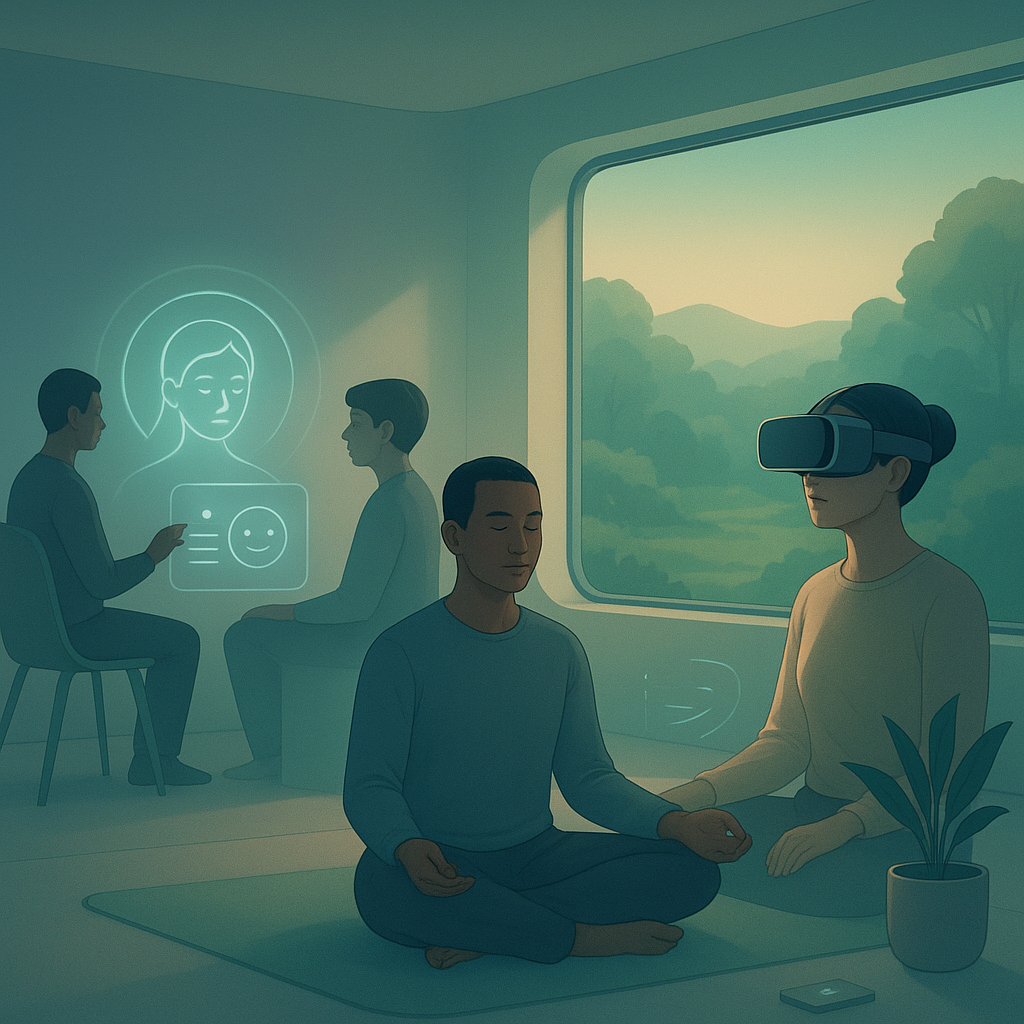
- Mindfulness and Meditation: Practiced widely across cultures, mindfulness programs have been integrated into schools, workplaces, and healthcare settings, reducing anxiety and stress markers by up to 45%.
- Peer Support Networks: Community-driven peer groups provide emotional support and shared experience, improving engagement and reducing hospitalization rates by approximately 25%.
- AI-Assisted Diagnostics: Artificial intelligence tools analyze speech patterns, facial expressions, and physiological data to assist clinicians in early detection of mood disorders with an accuracy exceeding 85%.
- Holistic Lifestyle Interventions: Nutrition, exercise, and sleep hygiene are prescribed alongside therapy, with meta-analyses confirming significant mood enhancements and lowered relapse risk.
- Trauma-Informed Care: Recognizing the impact of trauma on mental health, care models now emphasize safety, trust, and empowerment, leading to improved treatment adherence.
- Pharmacogenetics: Genetic testing guides psychotropic medication choices, reducing adverse effects and enhancing efficacy by 30% compared to traditional prescribing.
- Virtual Reality (VR) Therapy: VR environments simulate scenarios for exposure therapy, notably benefiting patients with PTSD and phobias, with symptom reduction rates nearing 50%.
- Workplace Mental Health Programs: Corporations implement comprehensive mental wellness initiatives, resulting in a 40% decrease in employee absenteeism and improved productivity.
- Integrative Psychiatry: Combining conventional psychiatry with complementary therapies like acupuncture and yoga, integrative approaches report higher patient satisfaction and symptom relief.
Current Developments and Innovations in 2026
Recent breakthroughs in 2026 reflect a convergence of technology, policy, and cultural change. Telepsychiatry has evolved with ultra-low latency networks enabling real-time, high-fidelity consultations even in remote areas. This has expanded mental health access to underserved populations globally.
Moreover, AI models now integrate multimodal data including genetics, environment, and social determinants, facilitating personalized care plans. Large-scale data collaborations, such as the Global Mental Health Data Consortium launched in 2024, are accelerating research and informing public health strategies.
Policy shifts have reinforced mental health parity laws and funding. For example, the Mental Health Equity Act enacted in multiple countries mandates insurance coverage for digital therapies and community-based services.
“The synergy of AI and human-centered care is reshaping mental health delivery, making it more precise and compassionate,” notes Dr. Rajesh Kumar, Head of Digital Psychiatry at a leading global hospital.
Additionally, societal attitudes continue to improve. Schools increasingly adopt social-emotional learning curricula, and employers invest heavily in mental wellness technology, recognizing its impact on workforce resilience.
Expert Perspectives: Challenges and Opportunities
Experts emphasize that while progress is notable, challenges persist. Dr. Amelia Grant, a clinical psychologist, highlights the digital divide as a barrier: “Equitable access remains a concern. Without inclusive infrastructure, marginalized groups may be left behind.”
There is also caution around data privacy and ethical use of AI in mental health, requiring robust regulatory frameworks. Meanwhile, clinicians advocate for integrated care models that combine technological tools with human empathy and cultural competence.
On the opportunity front, the expansion of peer-led initiatives and community empowerment is seen as vital. Public health expert Dr. Miguel Santos states, “Sustainable mental health improvements depend on social connectedness and addressing upstream determinants like poverty and discrimination.”
- Need for interdisciplinary collaboration to bridge gaps between technology and human care.
- Investment in workforce training for new mental health modalities.
- Continued research on long-term outcomes and cost-effectiveness.
- Enhanced global cooperation to share best practices and resources.
Looking Forward: Future Trends and Takeaways
The horizon for mental health in the coming decade points toward increasingly personalized, accessible, and integrated care. Emerging trends include:
- Neurotechnology: Advances in brain-computer interfaces and neuromodulation offer new avenues for treatment-resistant conditions.
- Genomic Psychiatry: Expanded genetic profiling may enable preemptive interventions tailored to individual risk profiles.
- Holistic Public Health Approaches: Greater emphasis on social determinants to prevent mental illness at the community level.
- Global Mental Health Solidarity: Cross-border partnerships to build capacity in low-resource settings.
For individuals and organizations, actionable takeaways include adopting evidence-based digital tools, fostering peer and community support, and advocating for policies that ensure equitable access.
As we consider these developments, readers may find valuable insights in How Mental Health Awareness Is Transforming Societies and Systems and Health in 2026: Innovations, Challenges, and the Road Ahead, which provide broader context on societal and healthcare transformation.
Case Studies: Real-World Implementation of Top Practices
Several organizations have pioneered the application of these leading mental health practices with measurable success.
Case Study 1: MindEase Digital CBT Platform
Launched in 2023, MindEase offers a fully AI-driven CBT program targeting young adults with mild to moderate depression. By 2025, over 2 million users reported a 60% average improvement in standardized depression scores. The platform’s integration with wearable devices allows real-time mood tracking, enhancing personalized interventions.
Case Study 2: The Resilience Project in Scandinavia
This government-funded initiative combines mindfulness training, peer support, and workplace mental health programs across multiple industries. An independent evaluation found a 35% reduction in employee burnout and a 20% increase in job satisfaction within two years.
Case Study 3: VR Exposure Therapy for PTSD in Veterans
The U.S. Department of Veterans Affairs expanded VR therapy nationwide, offering immersive simulations to veterans with combat-related PTSD. Clinical trials demonstrated symptom remission in nearly half of participants after 10 sessions.
“These case studies illustrate the power of combining technology with human-centered care to address complex mental health challenges,” observes Dr. Fiona Zhang, a mental health technology researcher.
The continued refinement and scaling of such models will be crucial to meeting the growing global demand for mental health services.
Conclusion: Prioritizing Mental Health for a Resilient Future
As mental health continues its ascent as a global priority, the top 10 practices discussed here represent the forefront of innovation and compassion in care. From digital therapies and AI diagnostics to peer networks and integrative treatments, these approaches collectively offer a roadmap for improving lives and strengthening communities.
Policymakers, healthcare providers, and individuals alike must embrace these advances while addressing equity and ethical challenges. The momentum gained thus far, documented in comprehensive analyses such as Revolutionizing Health: The Unseen Power and Promise of Modern Medical Research, underscores the transformative potential at our fingertips.
Investing in mental health is investing in humanity’s collective resilience and well-being.