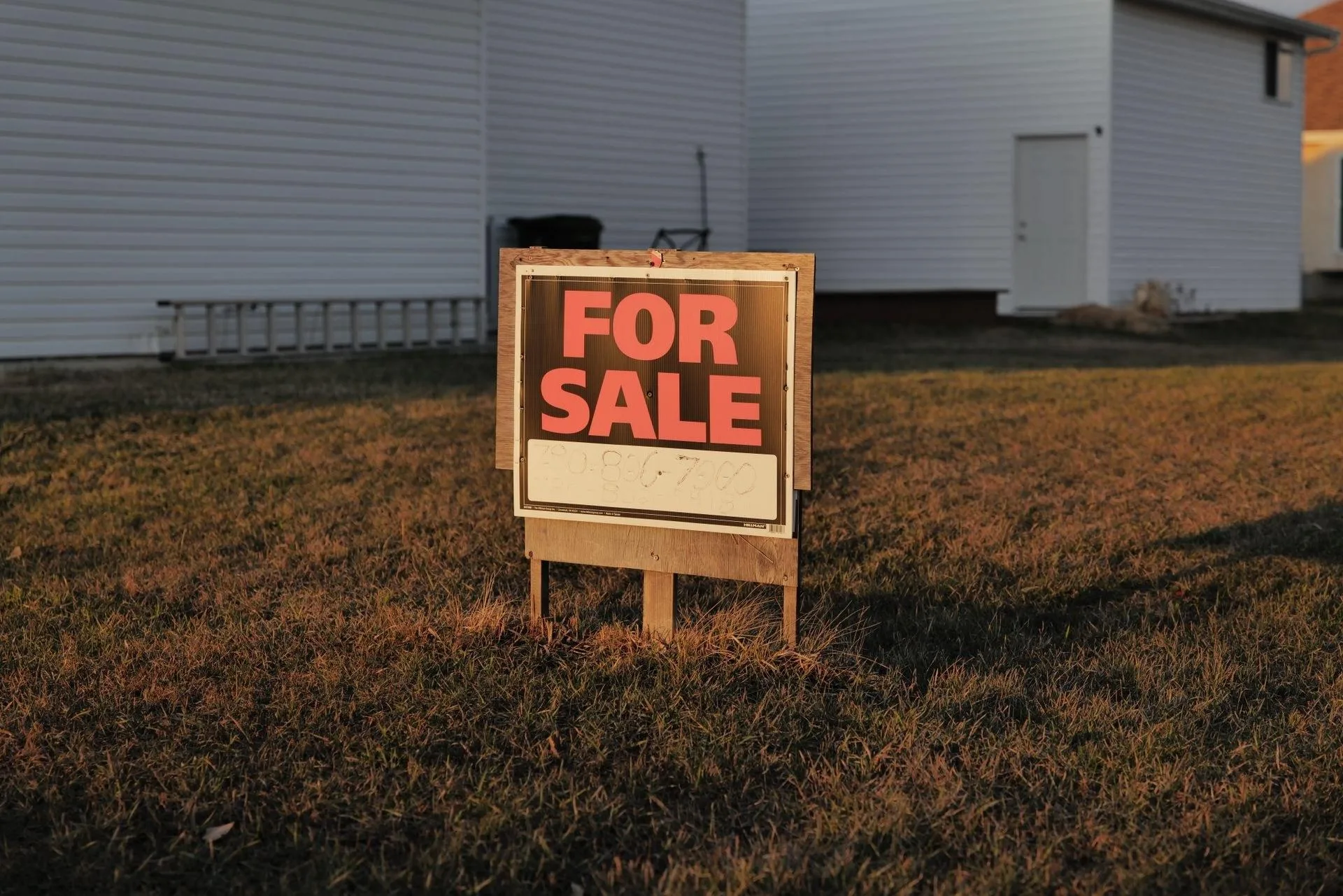
Here is a scene that plays out all the time. A seller accepts a good offer. Everyone is happy for about a week. Then the buyer's inspection report arrives with twenty seven items on it, three of them labeled significant, and suddenly the seller is negotiating against a deadline, looking at repair quotes from contractors the buyer picked, with very little room to push back.
None of those problems were new. The roof flashing was worn before the listing. The basement got damp every spring. The seller just found out last, at the worst possible moment.
That is the whole case for a seller's inspection, done before the house hits the market. Same information, weeks earlier, on your terms.
Flipping the timeline
When a buyer's inspector finds something, you react. When your own inspector finds it first, you plan. That difference is bigger than it sounds.
With time on your side, you can choose your own contractors, collect a couple of estimates, and schedule work when it suits you. You can decide which items are worth fixing and which are better handled with a price adjustment. And you can set an asking price with a clear picture of the home's condition, rather than finding out after the fact that the buyer thinks it's worth eight thousand dollars less.
What tends to turn up around Louisville
Most of the items that stall a sale are small and fixable when found early. In this region, a few show up again and again.
Missing GFCI protection in kitchens and bathrooms is common, especially in homes that haven't been updated in a while. Gutters and downspouts that drain toward the foundation are another frequent one, and they often connect to the next item: basements or crawlspaces that get damp after heavy rains. Aging water heaters and HVAC equipment show up regularly. So does worn roof flashing, and minor wood rot around windows and exterior doors.
None of that is dramatic. But each one becomes a line on a buyer's repair request, and a long list of small items can make a solid house look neglected. Clearing them first takes away easy negotiating points.
The quiet cost of surprises
It's worth thinking about what a late surprise really costs. There is the repair itself, usually quoted in a hurry by someone who has no reason to sharpen the pencil. There is the credit a nervous buyer asks for on top of the repair, just to feel safe. And there is the risk nobody likes to say out loud: the buyer walks, the house goes back on the market, and the next buyer sees that it fell out of contract and wonders why.
Compared with that, an inspection fee paid a few weeks earlier looks like a bargain. It doesn't guarantee a smooth sale. It does take a lot of the guesswork out of it.
A note on older and rural homes
Sellers of older homes and country properties have even more reason to look first. A farmhouse near Eminence or a lake property around Taylorsville may rely on a private well and a septic system, and buyers (or their lenders) will often want those evaluated. Lee can add septic and well water evaluations to the visit, so you know where you stand before anyone else asks.
Is it as thorough as a buyer's inspection?
It should be. Lee Wiard performs a seller's inspection with the same roof to foundation scope he uses for buyers, following the Kentucky Standards of Practice: roof and exterior, foundation and structure, basement or crawlspace, electrical, plumbing and water heater, heating and cooling, attic and insulation, interior, windows, doors, and built in appliances. Each meaningful issue comes with a photo and a short explanation written for a homeowner, not for a contractor.
The visit typically takes two to four hours, and the report usually lands within 24 working hours. That's quick enough to keep a listing schedule moving.
It doesn't replace the buyer's inspection
Worth saying clearly: most buyers will still hire their own inspector, and they should. A seller's report doesn't stop that. What it does is reduce surprises, because you already know what's likely to come up and have either handled it or priced it in.
Using the report well
Start with the summary of significant findings and go over it with your listing agent. Sort items into three piles: repair, credit, or disclose as is. Keep every receipt for completed work. A tidy folder showing a recent inspection plus proof of repairs builds a lot of trust with buyers, and buyers who trust a house tend to make stronger offers.
Disclosure matters here, and it's a conversation to have with your agent rather than a blog post. Kentucky sellers complete a seller disclosure form, and known material defects generally need to be disclosed. Your agent can help you decide how the inspection report fits alongside that form.
When to schedule it
Ideally a few weeks before listing. That gives you time to get estimates, complete repairs, and adjust your pricing strategy without rushing. Scheduling around showings, work, and family is usually the hard part for sellers, and Lee answers calls and texts every day from 7am to 10pm, which makes that easier.
Sellers across the area use this approach, whether it's a ranch in Fern Creek, a family home in Goshen, or a farmhouse outside Shelbyville. Add radon testing if you want to know your number before a buyer asks, since elevated radon is common across Kentucky and buyers here often test for it.
A small cost for a calmer sale
Selling a house will never be stress free. But there is a real difference between a negotiation where you're surprised and one where you already know the answers. With more than 23 years in the business and over 7,000 inspections completed, Lee has seen how often a deal comes apart over something the seller could have fixed in an afternoon.
If you're planning to sell in the next few months, schedule a home inspection before listing in Louisville and give yourself time to get ahead of the buyer's report. The number is (502) 376-0856, and texting is fine.