Unpacking the Pulse of Modern Living: A Scene from 2026
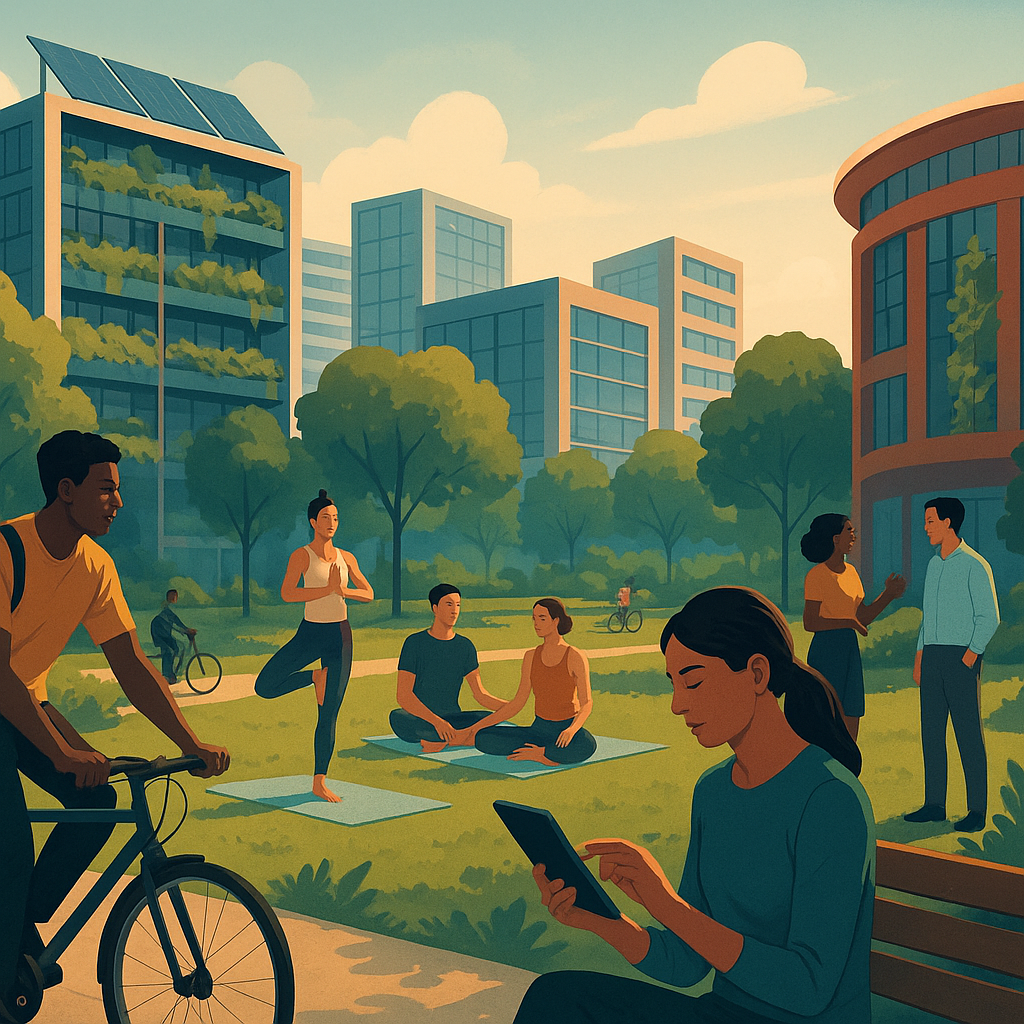
At a bustling urban co-living hub in downtown Chicago, a diverse group of residents gathers in a sunlit communal garden. They share not just space but values—sustainability, wellness, and digital connectivity. This scene is emblematic of a broader societal shift witnessed globally in 2026: lifestyle trends are no longer niche preferences but pivotal forces shaping how individuals interact with their environment and each other. According to surveys by global lifestyle consultancy TrendPulse, over 68% of urban dwellers actively seek housing and community experiences that align with values like eco-consciousness and tech-enabled wellness. This marks a significant departure from the more individualistic, consumption-driven patterns of the early 2020s.
Beyond housing, the way people structure their daily routines, prioritize health, and engage with technology is evolving rapidly. The rise of hybrid work, the expansion of AI-driven personal assistants, and a renewed emphasis on mental health are redefining what it means to live well. These transformations are not isolated—they ripple across economies, urban planning, and social norms, making lifestyle trends a crucial lens through which to understand contemporary society.
Historical Context: The Evolution Leading to 2026’s Lifestyle Landscape
To appreciate the current lifestyle trends, it’s essential to trace their origins. The early 2020s were marked by a global reckoning spurred by the COVID-19 pandemic, which exposed vulnerabilities in traditional work models, health systems, and social interactions. Remote work, once a privilege, became a necessity, igniting a re-evaluation of work-life balance. Environmental activism surged as climate crises intensified, pushing sustainability from fringe activism into mainstream consumer expectations.
Technological advancements accelerated in tandem. Smart home devices, AI health diagnostics, and virtual reality social platforms moved from novelty to necessity. Cultural shifts also played a role, with younger generations emphasizing authenticity, inclusivity, and purpose-driven living. By 2024, reports suggested that over 70% of consumers preferred brands and lifestyles that reflected their values, a trend that has only deepened.
This background sets the stage for 2026’s complex lifestyle matrix, where technology, environment, and culture intersect more tightly than ever before.
Decoding 2026’s Key Lifestyle Trends: Data and Dynamics
Several trends stand out in 2026, supported by robust data from market analysts and sociological research:
- Integrated Wellness Ecosystems: Beyond fitness apps, wellness now encompasses mental health, nutrition, sleep quality, and social connectedness. The global wellness economy, valued at $6.5 trillion by 2025 according to the Global Wellness Institute, continues to expand. AI-driven personalized wellness plans have become mainstream, with companies like MindSync and VitaCore leading innovations.
- Eco-Conscious Consumption: Consumers increasingly favor regenerative products and circular economy models. Nielsen data from early 2026 indicates 58% of consumers would pay a premium for goods with verified sustainability credentials. This shift is also visible in urban design, with green spaces and zero-waste infrastructure becoming standard features.
- Hybrid Socialization Models: Physical and virtual interactions blend seamlessly. Platforms leveraging augmented reality (AR) and mixed reality (MR) enable immersive social experiences. Pew Research highlights that 65% of adults engage in hybrid social activities weekly, up from 40% in 2023.
- Work-Life Fluidity: Remote, hybrid, and decentralized work models dominate. According to the 2026 Global Work Report, 72% of professionals have flexible schedules, influencing residential choices and daily rhythms.
- Minimalism Meets Tech-Enabled Convenience: Consumers seek simplicity without sacrificing technology. Smart home systems that reduce clutter and automate mundane tasks are increasingly adopted, balancing minimalism with convenience.
These trends are interconnected and mutually reinforcing, reflecting a holistic approach to contemporary living.
“Lifestyle trends today are less about fleeting fads and more about foundational shifts in values and technology integration,” explains Dr. Lena Matthews, a sociologist specializing in cultural transformations.
Current Developments in 2026: What’s New and Noteworthy?
In 2026, lifestyle trends have matured beyond early adoption phases and begun reshaping industries and public policy. Several noteworthy developments have emerged:
- Smart Cities Tailoring Experiences: Urban centers increasingly deploy AI to customize resident experiences, from adaptive public transport to personalized environmental controls in public spaces. Chicago’s new Smart Living District, launched this year, exemplifies this trend.
- Decentralized Finance Meets Lifestyle: Lifestyle spending is integrating with blockchain and decentralized finance (DeFi), enabling consumers to participate in loyalty programs, sustainable investments, and community funding with unprecedented transparency.
- Rise of Micro-Communities: Smaller, purpose-driven communities focusing on shared interests such as sustainability, art, or wellness are proliferating. These micro-communities leverage digital platforms to maintain cohesion despite geographic dispersion.
- AI-Powered Lifestyle Curation: Personalized AI concierges curate daily activities, nutrition, and even social interactions tailored to individual preferences and health data. Companies like LifeSync have reported significant user engagement increases.
- Environmental Accountability in Real Time: Smart appliances and wearables now provide instant feedback on environmental impact, enabling consumers to adjust behaviors dynamically.
These developments signal that lifestyle trends in 2026 are deeply embedded in technology and community design, reshaping how people live and interact at multiple scales.
“The fusion of AI and human values is crafting a lifestyle paradigm that prioritizes both individual well-being and collective responsibility,” observes Aaron Kim, CTO at a leading lifestyle technology firm.
Expert Perspectives and Industry Impact
Industry leaders and cultural analysts emphasize that lifestyle trends are driving innovation across sectors. Retailers are redesigning store formats to support experiential shopping that reflects consumers’ desire for authenticity and sustainability. Real estate developers increasingly prioritize flexible, community-oriented living spaces.
Healthcare providers are integrating lifestyle data into preventative care models, recognizing that daily habits strongly influence long-term outcomes. The wellness industry’s expansion has also prompted regulatory discussions about standardizing claims and ensuring equitable access.
Experts also highlight the challenges posed by these shifts. Privacy concerns around pervasive data collection, the digital divide, and potential cultural homogenization are critical issues requiring balanced approaches.
According to the insights shared in Why Lifestyle Trends Are Shaping How We Live and Work Today, lifestyle transformations are not simply consumer choices but catalysts for systemic change, influencing work, health, and urban policy simultaneously.
- Retail and consumer goods: accelerating sustainable product lines and experiential services.
- Real estate and urban planning: prioritizing co-living, green infrastructure, and smart amenities.
- Healthcare: integrating lifestyle data with AI diagnostics for personalized care.
- Technology: advancing AI to enable seamless lifestyle personalization and environmental tracking.
- Public policy: adapting regulations to support sustainable, inclusive living environments.
Looking Ahead: What to Watch and Key Takeaways
As we move deeper into the decade, several trajectories emerge as critical for understanding lifestyle trends’ future impact:
- Ethical AI and Data Governance: Ensuring transparency and fairness in AI-driven lifestyle tools will be paramount.
- Equity in Access: Bridging gaps in technology and wellness services to prevent lifestyle privilege disparities.
- Climate Adaptive Living: Integrating resilience into lifestyle choices amid increasing climate volatility.
- Hybrid Realities: Expanding AR and MR capabilities will redefine social, work, and leisure spaces.
- Community-Centered Innovation: Supporting grassroots and micro-community initiatives that foster belonging and shared purpose.
Stakeholders from consumers to policymakers must engage with these trends proactively. As detailed in Rethinking Daily Life: The Subtle Forces Steering 2026’s Lifestyle Trends, the interplay of technology, values, and environment will continue to drive profound shifts in how people live, work, and connect.
In summary, lifestyle trends in 2026 represent a complex synthesis of technological innovation, cultural realignment, and environmental urgency. They are reshaping daily choices, social structures, and economic models alike. Understanding these dynamics is essential for anyone seeking to navigate or influence the future of living.